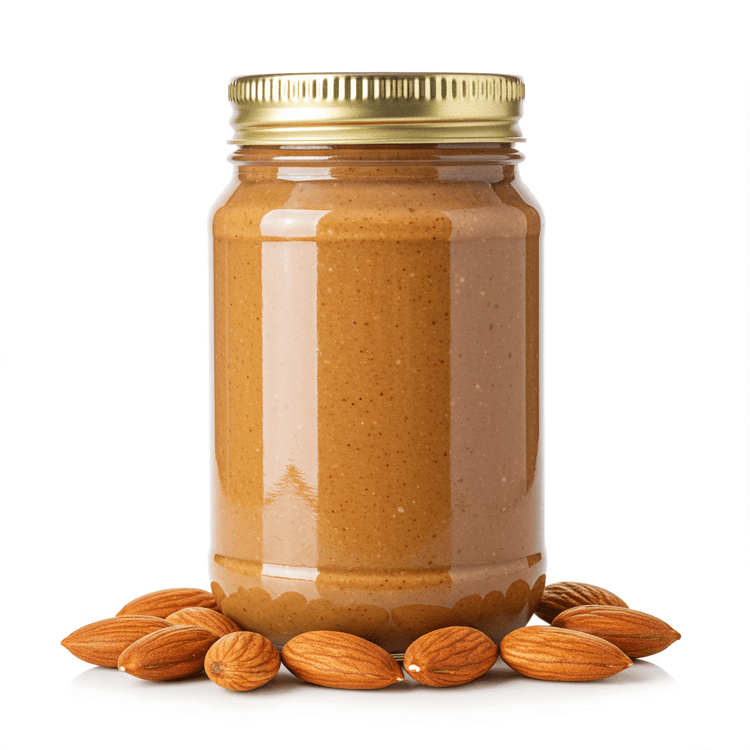
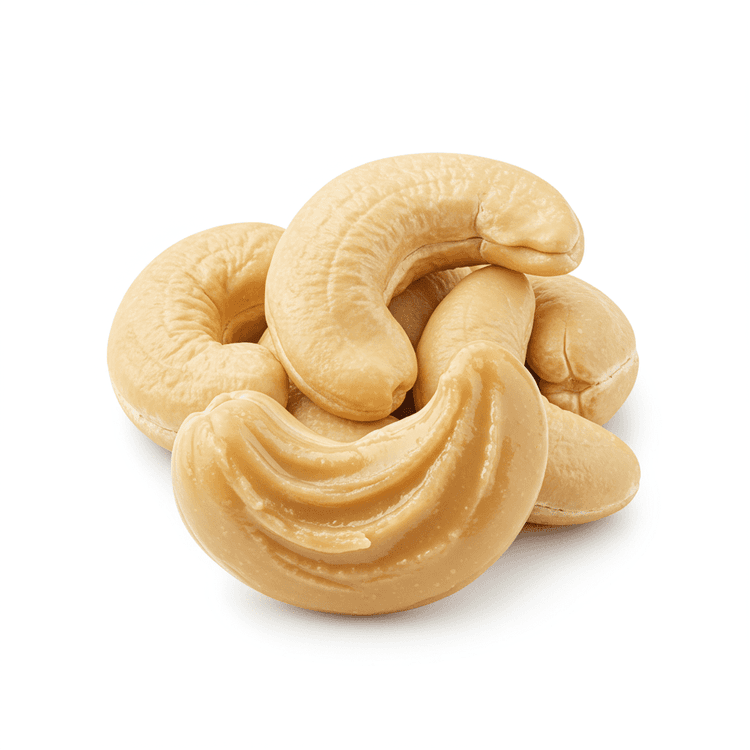
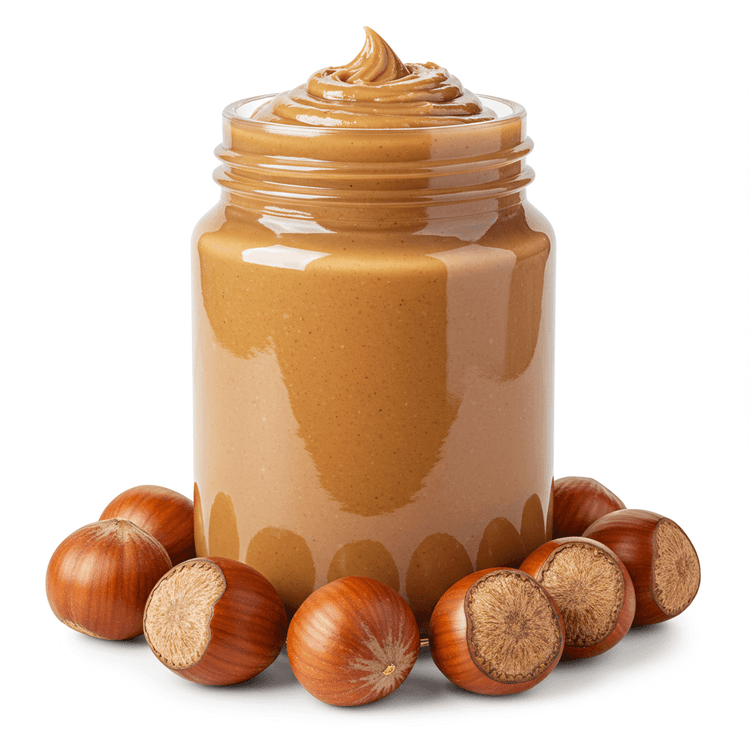
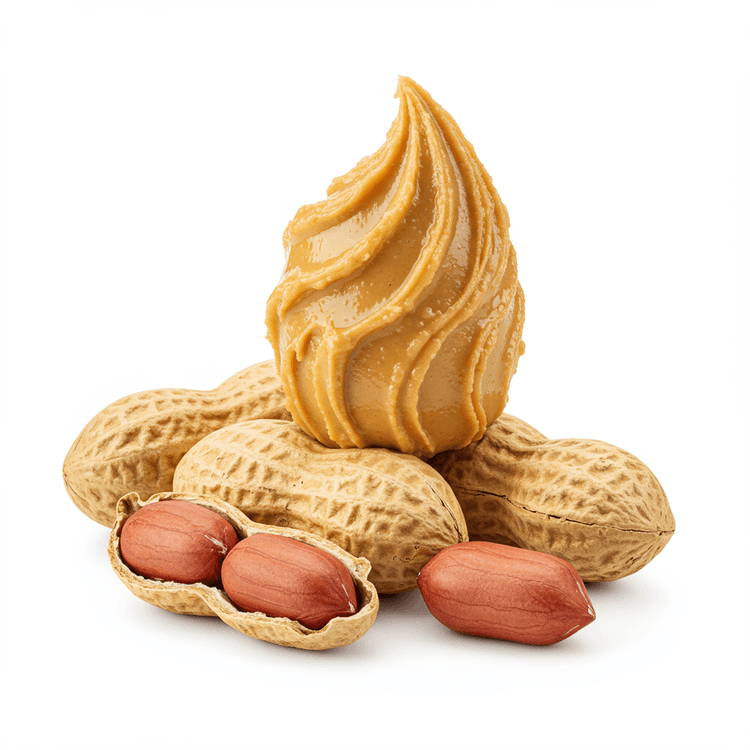
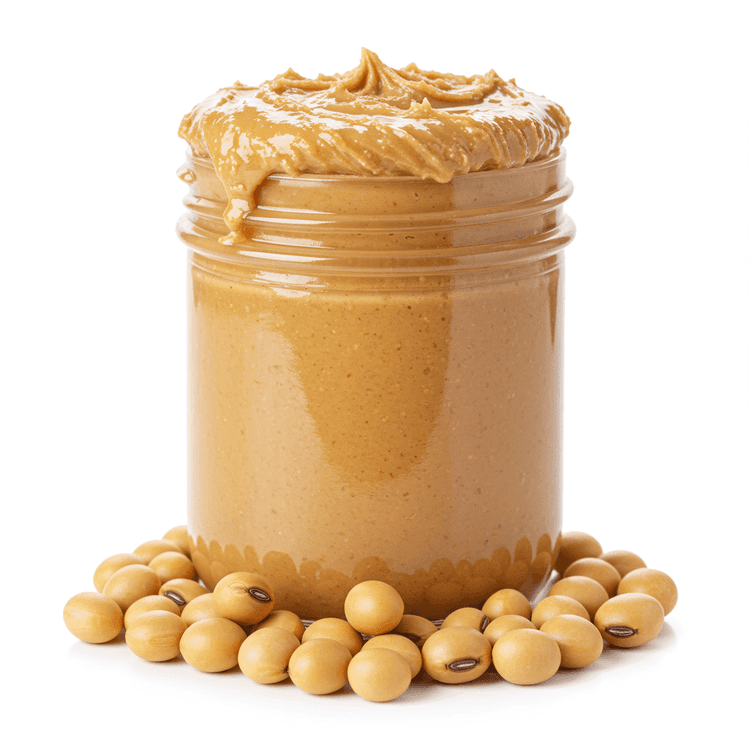
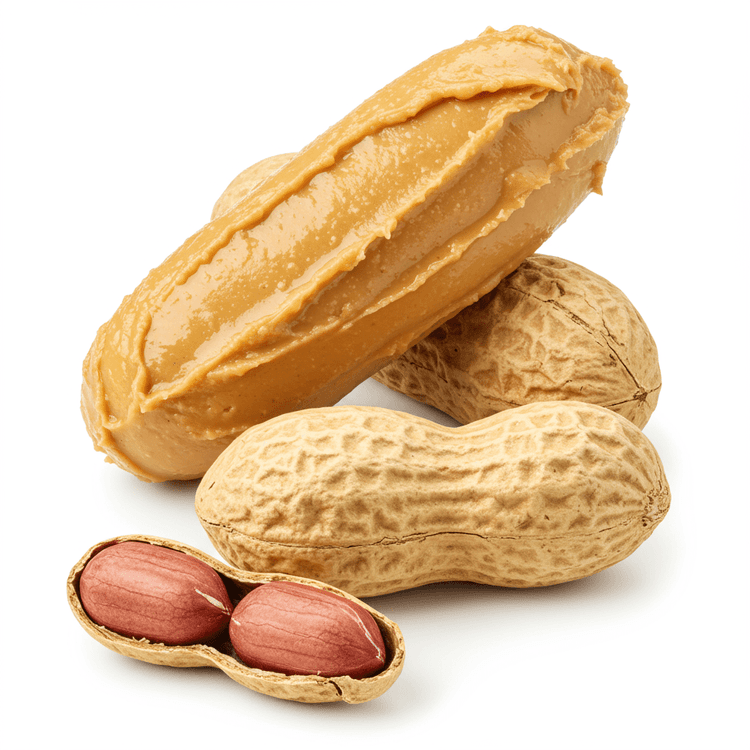
Nut butters, a creamy and versatile staple in many pantries, offer more than just a delicious spread. They are packed with nutrients and healthy fats, making them a valuable addition to a balanced diet. From the classic peanut butter to the more exotic cashew or almond butter, each variety brings its unique flavor and nutritional profile to the table.
One of the key benefits of nut butters lies in their healthy fat content. Primarily composed of monounsaturated and polyunsaturated fats, these fats contribute to heart health by helping to lower bad cholesterol levels and raise good cholesterol. They also play a crucial role in brain function and hormone production. Moreover, nut butters are a good source of protein, essential for building and repairing tissues, supporting muscle growth, and promoting satiety. This makes them an excellent option for vegetarians, vegans, and anyone looking to increase their protein intake.
Beyond fats and protein, nut butters are rich in vitamins and minerals. They often contain vitamin E, a powerful antioxidant that protects cells from damage and supports immune function. Magnesium, crucial for nerve and muscle function, blood sugar control, and blood pressure regulation, is another important mineral found in many nut butters. Some varieties, like almond butter, are also good sources of calcium, important for bone health. The fiber content in nut butters further contributes to digestive health and helps regulate blood sugar levels.
In the culinary world, nut butters are incredibly versatile. They can be enjoyed spread on toast, added to smoothies for a creamy texture and protein boost, used as a dip for fruits and vegetables, or incorporated into baking recipes. Peanut butter cookies, almond butter banana bread, and cashew butter energy balls are just a few examples of the endless possibilities. Nut butters are also essential ingredients in many international cuisines, such as peanut sauce in Thai dishes or almond paste in marzipan. Whether you are creating a quick snack or an elaborate dessert, nut butter adds flavor, richness, and nutritional value.
Including nut butter in a balanced diet offers several advantages. Their protein and fiber content promotes satiety, helping to control appetite and manage weight. The healthy fats contribute to cardiovascular health and brain function. The vitamins and minerals support overall well-being and help prevent nutrient deficiencies. However, it's important to choose natural nut butters without added sugars, unhealthy oils, or excessive salt. Portion control is also crucial, as nut butters are calorie-dense. By incorporating nut butters thoughtfully into your diet, you can enjoy their delicious flavor and reap their numerous health benefits, making them an essential ingredient for a healthy and satisfying lifestyle. They are more than just a spread; they are a powerhouse of nutrients contributing to overall wellness. ||
Nut Butter are an essential part of a healthy diet, providing a wide range of nutrients and health benefits. Explore our collection of nut butter ingredients.