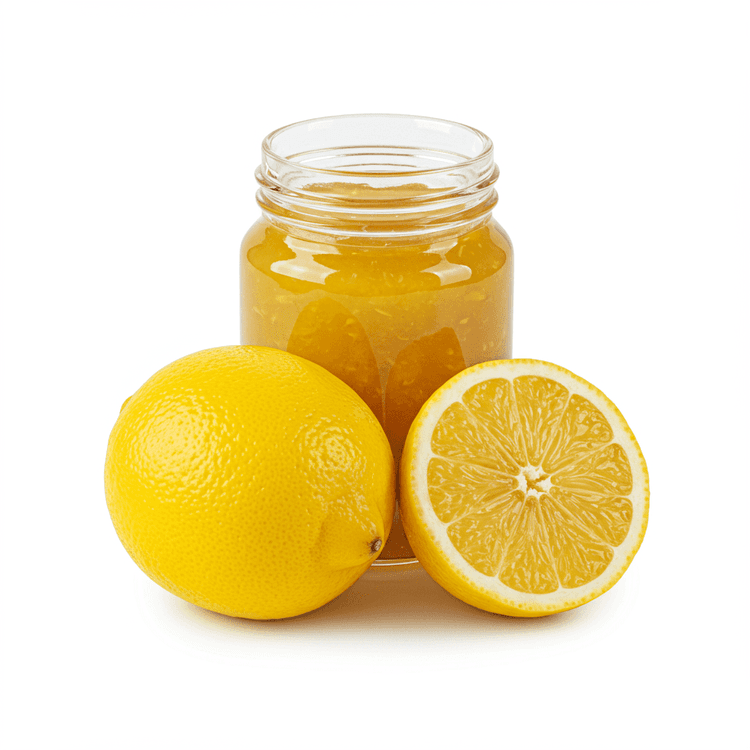
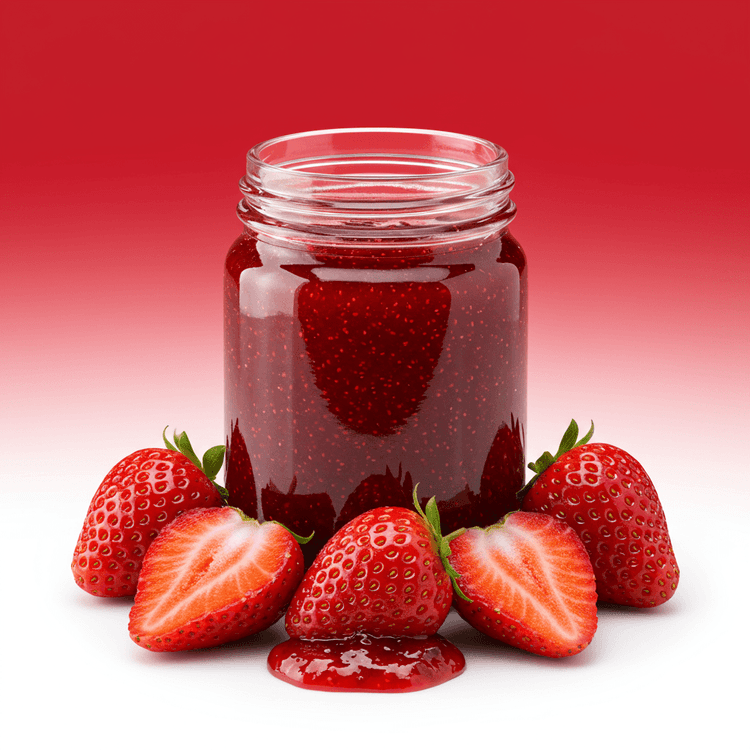
Fruit spreads, encompassing jams, jellies, preserves, and marmalades, offer more than just a sweet indulgence; they can be a flavorful addition to a balanced diet, providing certain nutrients and contributing to overall well-being. Understanding the nuances of these spreads can help you make informed choices and enjoy their benefits responsibly.
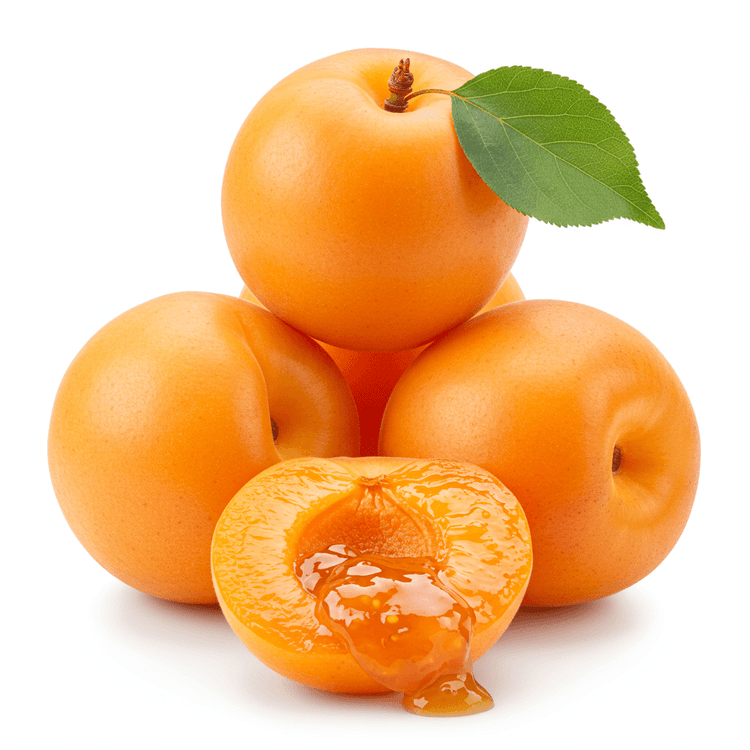
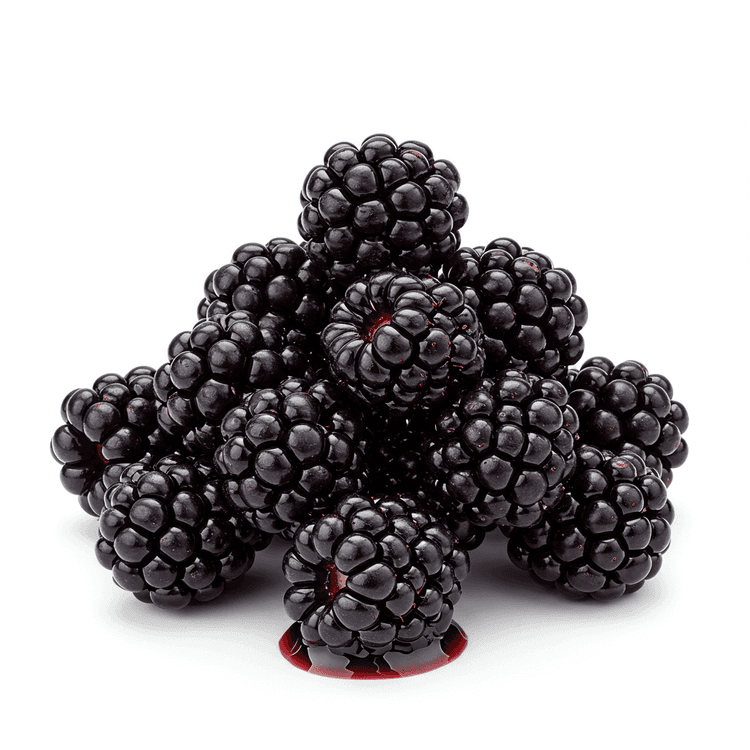
While primarily known for their sugar content, fruit spreads retain some of the nutritional value of the fruits from which they are derived. Depending on the fruit used, they can be a source of vitamin C, a powerful antioxidant crucial for immune function and collagen production. Certain fruits also contribute to the fiber content of spreads, although the amount is typically lower than in fresh fruit due to the processing involved. Fiber aids in digestion, promotes satiety, and helps regulate blood sugar levels. Darker fruits, like berries used in some fruit spreads, contain anthocyanins, plant compounds with antioxidant and anti-inflammatory properties that may contribute to heart health and cognitive function. However, it’s important to note that the processing and addition of sugar can reduce the overall nutritional impact compared to consuming whole fruits.
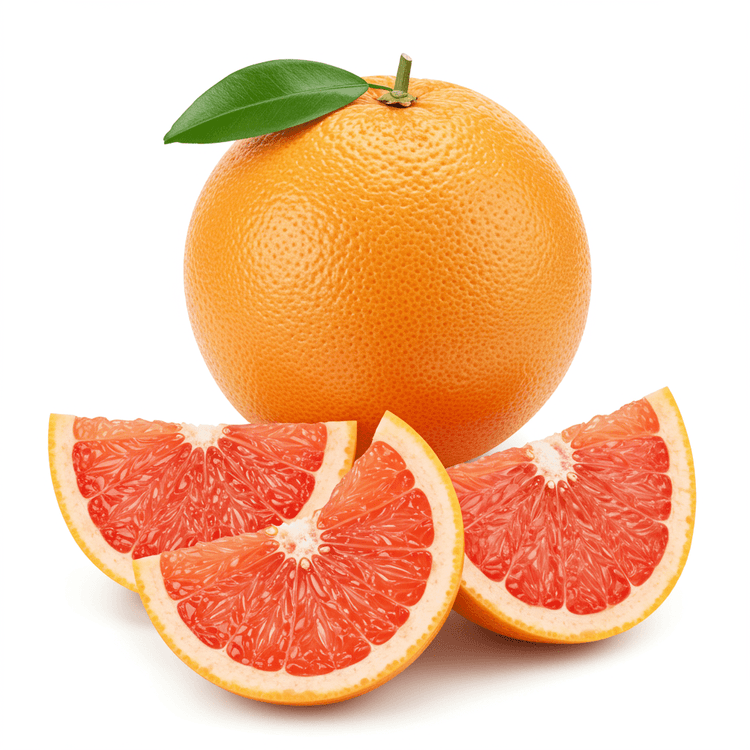
Fruit spreads are incredibly versatile in the kitchen. Jams and preserves are commonly used as toppings for toast, bagels, and scones, adding a burst of fruity flavor to breakfast or brunch. They can also be incorporated into baked goods, such as muffins, cakes, and cookies, enhancing their sweetness and moistness. Jellies, with their smooth texture, are often paired with peanut butter in classic sandwiches or used as a glaze for meats and poultry, providing a sweet and tangy contrast. Marmalades, made with citrus fruits and their peels, offer a unique bitter-sweet flavor profile that complements savory dishes, like grilled cheese sandwiches or roasted vegetables. Experiment with different types of fruit spreads to discover your favorite flavor combinations and culinary applications.
The importance of fruit spreads in a balanced diet lies in their potential to encourage fruit consumption, particularly for those who may not regularly eat whole fruits. A small amount of fruit spread can make otherwise bland foods, like whole-wheat toast or yogurt, more appealing and palatable. However, moderation is key. Due to their high sugar content, fruit spreads should be consumed in limited quantities as part of a balanced diet that prioritizes whole, unprocessed foods. Choose spreads made with natural sweeteners or with reduced sugar content whenever possible. Opt for varieties that highlight the natural flavor of the fruit rather than relying solely on added sugar. By being mindful of portion sizes and ingredient lists, you can enjoy the delightful taste of fruit spreads while maintaining a healthy eating pattern. Look for spreads where fruit is the primary ingredient and added sugars are minimized.
Ultimately, fruit spreads offer a touch of sweetness and flavor that can enhance the enjoyment of various dishes. By understanding their nutritional profile and consuming them responsibly, you can incorporate them into your diet without compromising your overall health and wellness. Enjoy in moderation alongside a variety of other nutrient-rich foods. ||
Fruit Spread are an essential part of a healthy diet, providing a wide range of nutrients and health benefits. Explore our collection of fruit spread ingredients.