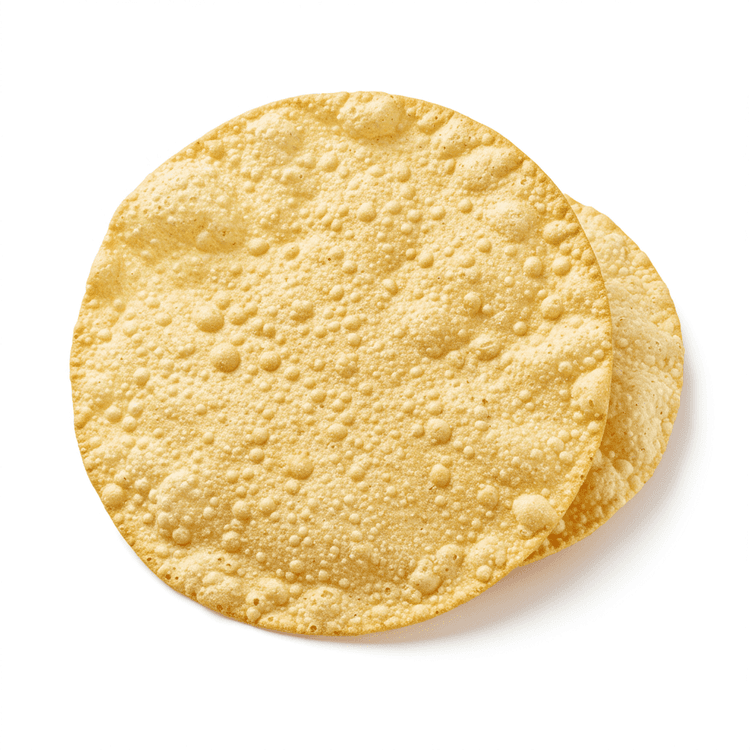
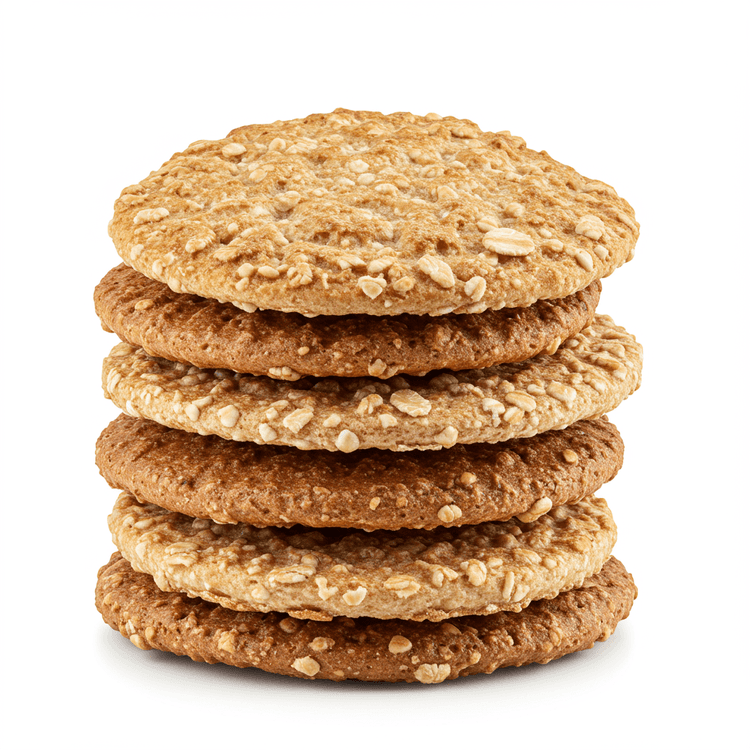
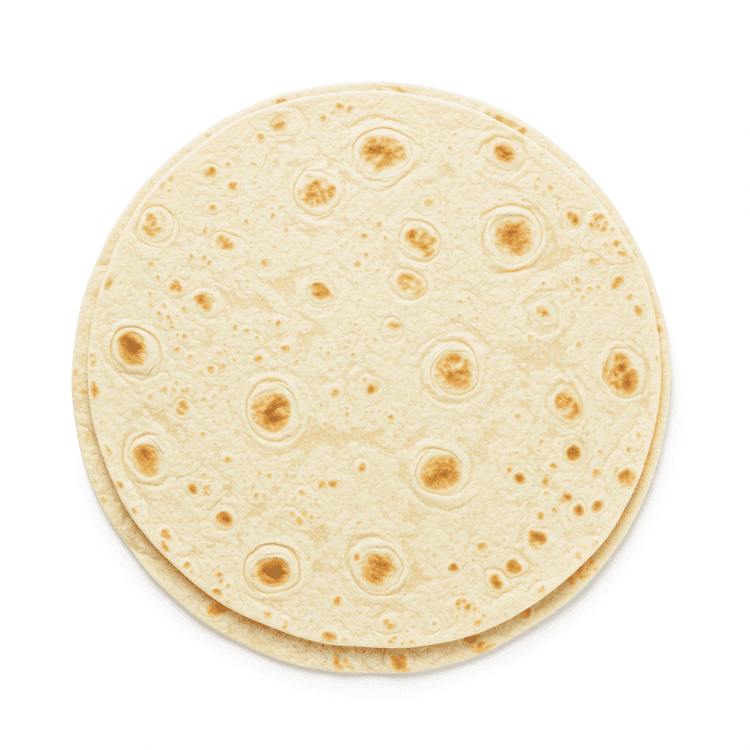
Flatbreads, a culinary cornerstone across cultures, offer versatility and nutritional benefits often overlooked. From the unleavened simplicity of roti and tortillas to the slightly leavened texture of naan and pita, flatbreads provide a foundation for countless meals. But beyond their delicious taste and adaptability lies a trove of essential nutrients that can contribute to a balanced and healthy diet.
One of the key advantages of flatbreads, particularly those made with whole grains, is their fiber content. Fiber is crucial for digestive health, promoting regularity and preventing constipation. It also plays a vital role in regulating blood sugar levels, making flatbreads a smart choice for individuals managing diabetes or seeking to maintain stable energy throughout the day. Furthermore, fiber contributes to satiety, helping you feel fuller for longer and potentially aiding in weight management. Choose whole wheat, rye, or other whole grain flatbreads to maximize your fiber intake.
Beyond fiber, many flatbreads are good sources of complex carbohydrates, which provide sustained energy release. Unlike simple sugars that cause rapid spikes and crashes in blood sugar, complex carbohydrates are digested more slowly, providing a steady stream of energy to fuel your body and brain. This makes flatbreads an excellent option for athletes or anyone engaging in physically demanding activities. Some flatbreads are also enriched with essential vitamins and minerals, such as iron, folate, and B vitamins, further enhancing their nutritional value. Iron is critical for oxygen transport, folate is essential for cell growth and development, and B vitamins play a crucial role in energy metabolism.
Culinary uses for flatbreads are virtually limitless. They serve as the perfect base for pizzas, wraps, and quesadillas. They can be grilled or toasted and topped with savory or sweet ingredients, from roasted vegetables and hummus to ricotta cheese and honey. In many cultures, flatbreads are used to scoop up curries, stews, and dips, providing a satisfying and flavorful way to enjoy a complete meal. Popular dishes featuring flatbreads include Indian naan with butter chicken, Mexican tacos with various fillings, Middle Eastern shawarma wrapped in pita bread, and Italian piadina with prosciutto and cheese.
Choosing the right type of flatbread is essential to maximizing its nutritional benefits. Opt for whole grain varieties whenever possible and be mindful of added ingredients like sugar, sodium, and unhealthy fats. By incorporating flatbreads into your diet in moderation and pairing them with nutrient-rich toppings and fillings, you can enjoy a delicious and versatile food that contributes to your overall health and well-being. Remember to read nutrition labels carefully and consider making your own flatbreads at home to control the ingredients and ensure a healthy and delicious outcome. Homemade flatbreads allow for endless customization, allowing you to experiment with different flours, herbs, and spices to create unique and nutritious options tailored to your taste preferences.
Flatbreads are more than just a convenient and tasty food; they are a versatile and potentially nutritious addition to a balanced diet. Their fiber content, complex carbohydrates, and potential for enrichment with essential vitamins and minerals make them a valuable component of a healthy lifestyle. So, explore the diverse world of flatbreads and discover how they can enhance your meals and contribute to your overall well-being. ||
Flatbread are an essential part of a healthy diet, providing a wide range of nutrients and health benefits. Explore our collection of flatbread ingredients.