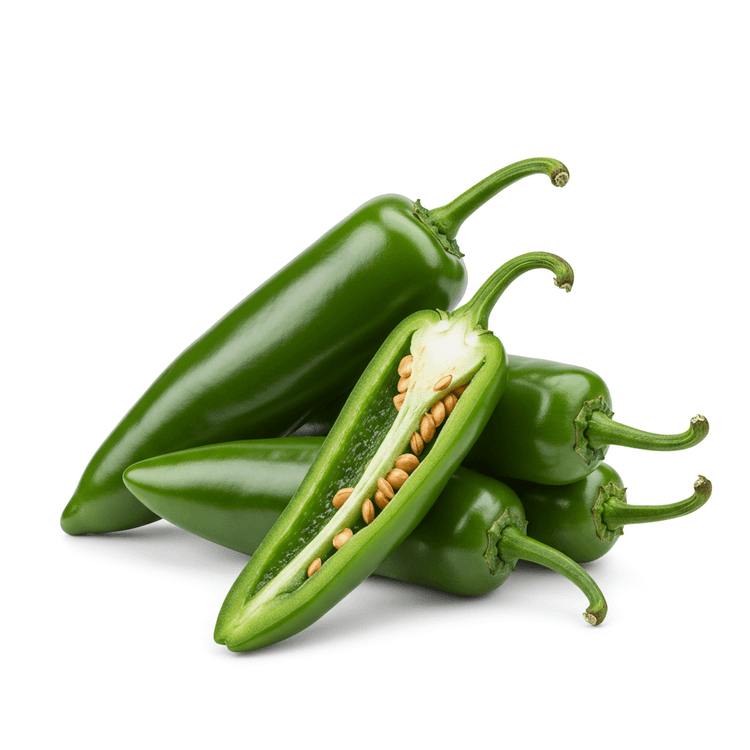
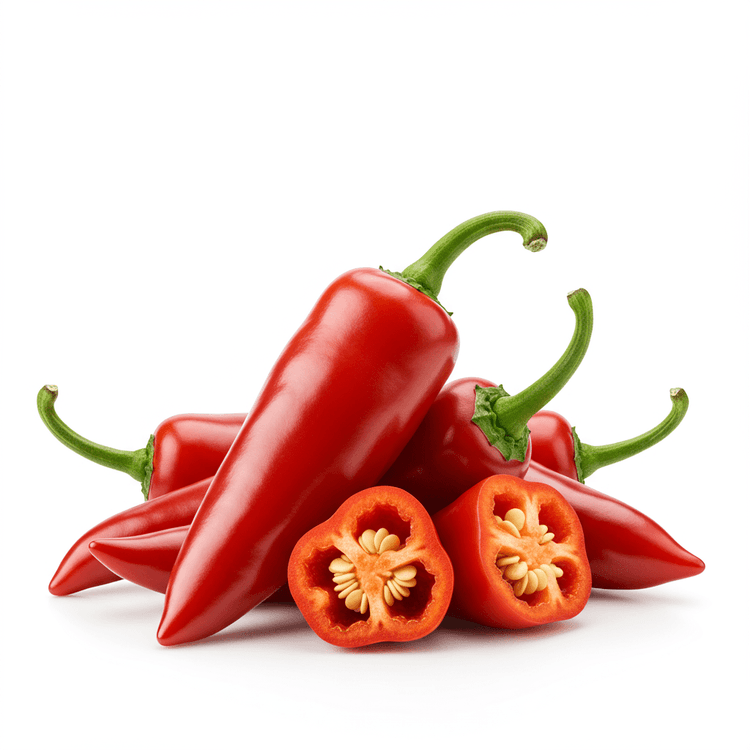
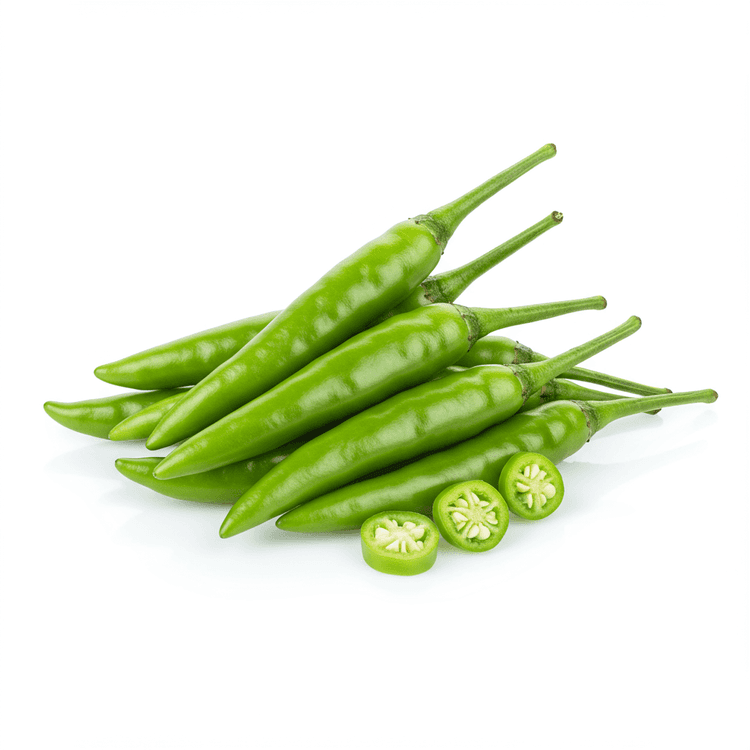
Chili peppers, vibrant and versatile, are more than just a source of heat; they're a powerhouse of nutrients and flavor that can elevate any dish. From the mildest bell pepper to the fiery habanero, the Capsicum family offers a spectrum of tastes and health benefits that make them indispensable in kitchens worldwide.
Beyond their culinary appeal, chili peppers are rich in vitamins and antioxidants. They are an excellent source of Vitamin C, a potent antioxidant that supports immune function, promotes skin health, and helps protect against cellular damage caused by free radicals. Red chili peppers are also packed with provitamin A (beta-carotene), which the body converts to Vitamin A, essential for vision, immune function, and cell growth. Furthermore, they contain Vitamin B6, important for brain development and function, and Vitamin K1, vital for blood clotting and bone health. Minerals like copper and potassium, found in chili peppers, contribute to various bodily functions, including nerve function and blood pressure regulation.
The fiery kick in chili peppers comes from capsaicin, an active compound that boasts several health-promoting properties. Research suggests that capsaicin may help boost metabolism, reduce inflammation, and even relieve pain. It works by binding to pain receptors, ultimately decreasing their sensitivity. Topical creams containing capsaicin are often used to treat conditions like arthritis and nerve pain. While the heat can be intense, capsaicin is generally considered safe for consumption.
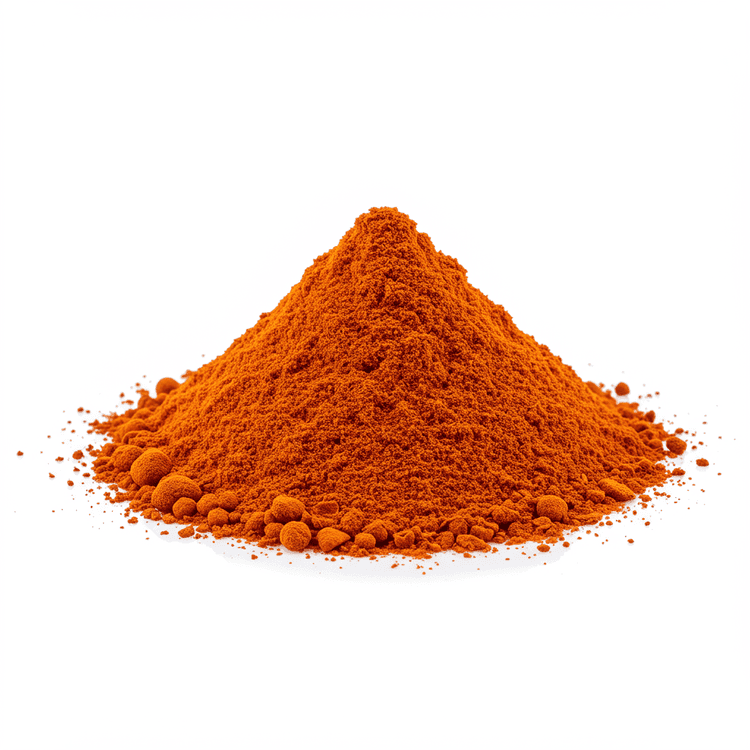
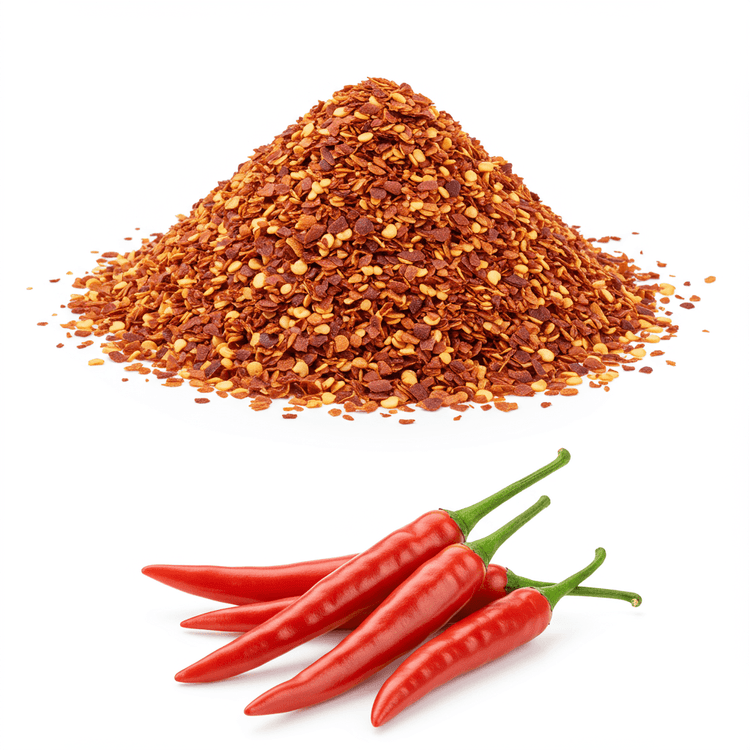
In the culinary world, chili peppers are incredibly versatile. They can be used fresh, dried, powdered, or pickled, adding depth and complexity to a wide range of dishes. Popular dishes featuring chili peppers include: chili con carne, a hearty stew simmered with beans, tomatoes, and ground meat; enchiladas, corn tortillas filled with meat or cheese and smothered in chili sauce; and spicy stir-fries, where chili peppers provide a thrilling kick alongside vegetables and proteins. Chili peppers are also used to create flavorful sauces, salsas, and marinades, adding zest to everything from tacos and burritos to grilled meats and vegetables. Common cooking methods include sautéing, roasting, grilling, and simmering, each bringing out different nuances in the peppers' flavor profile.
Including chili peppers in a balanced diet can contribute significantly to overall wellness. Their high Vitamin C content supports a robust immune system, while their antioxidant properties help protect against chronic diseases. The capsaicin in chili peppers can also play a role in weight management and pain relief. By incorporating chili peppers into your meals, you can add a flavorful punch while simultaneously boosting your nutritional intake. Whether you prefer the subtle sweetness of bell peppers or the intense heat of ghost peppers, there's a chili pepper out there to suit every palate and provide a wealth of health benefits. ||
Chili are an essential part of a healthy diet, providing a wide range of nutrients and health benefits. Explore our collection of chili ingredients.