We use cookies on this website to ensure its proper functioning and to improve the quality of our services. Cookie Policy
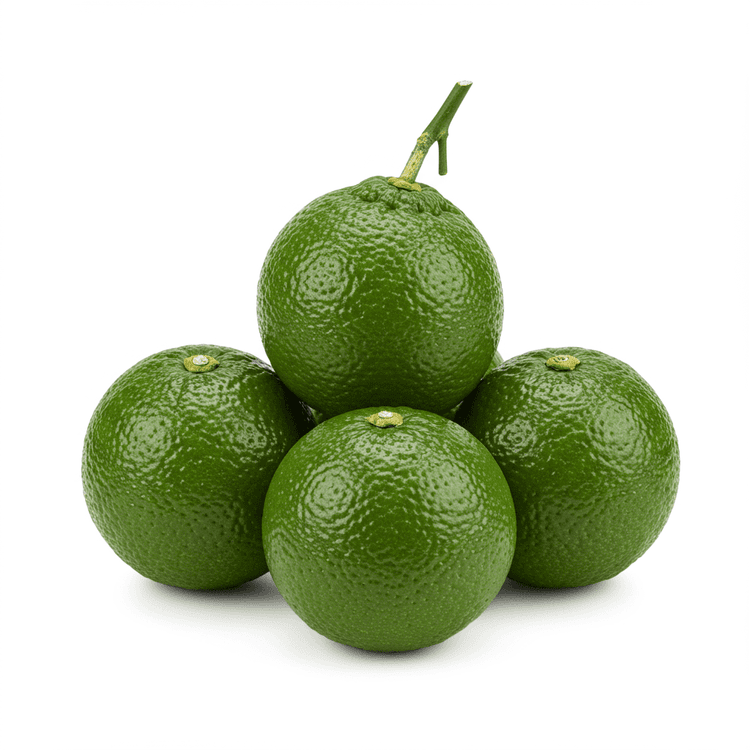
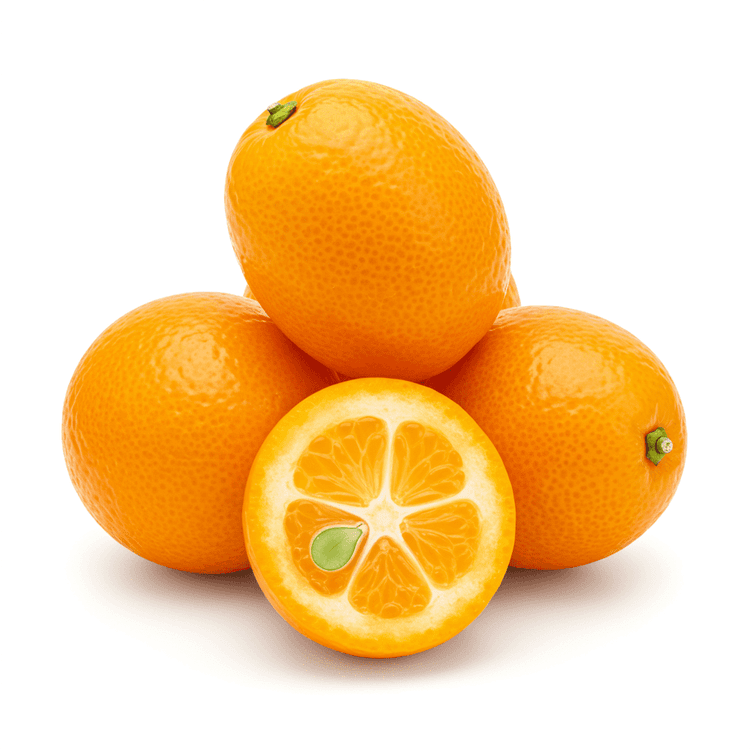
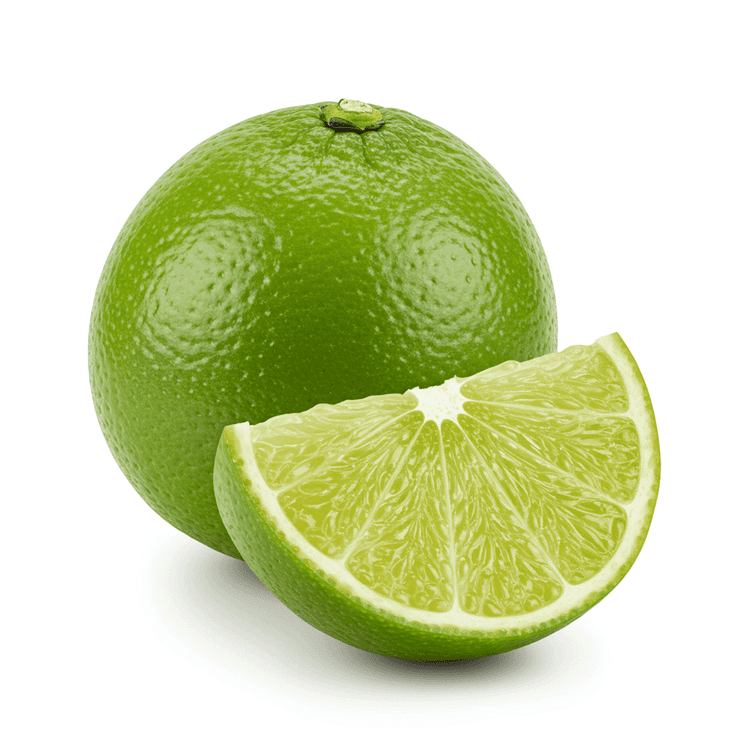
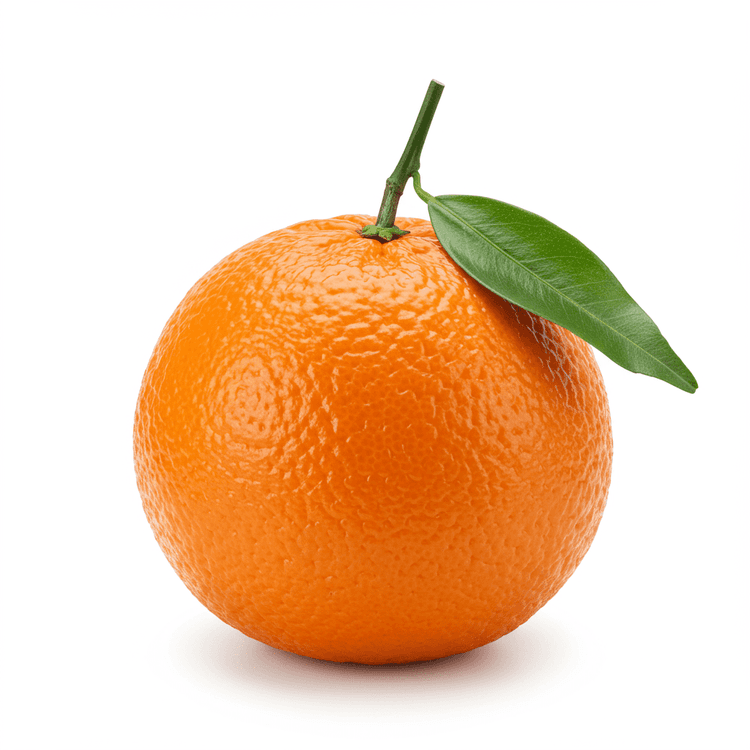
Calamansi, also known as calamondin, is a small, round citrus fruit with a thin, smooth green skin that turns yellowish-orange when ripe. Its pulp is juicy and intensely tart, with a distinctive sweet-sour flavor profile. Often described as a cross between a mandarin orange and a lime, calamansi offers a unique citrusy tang that's perfect for adding zest and brightness to various dishes and beverages. Look for firm, unblemished fruits for the best flavor and juice yield.
If you've never tasted one, imagine biting into a lime that has been softened by a whisper of orange sweetness. The juice hits sharp and sour up front, then mellows into something faintly floral and warm, which is exactly why it's such a staple across the Philippines and much of Southeast Asia. Even when the skin has ripened to orange, the flesh inside stays green and puckery, so don't judge its tartness by its color. A single fruit yields only a tablespoon or two of juice, but that little bit carries a lot of punch.
What makes calamansi so useful in the kitchen is its versatility. It bridges the gap between a lime and a tangerine, lending both acidity and a rounded fragrance that neither delivers alone. Cooks reach for it to cut through rich, fatty dishes, to wake up a dipping sauce, or simply to squeeze over grilled fish. Once you keep a bowl of these on the counter, you'll find yourself splashing the juice into almost everything.

Save recipes from anywhere, and get answers, swaps, and help as you cook.


Available now for early access users.