We use cookies on this website to ensure its proper functioning and to improve the quality of our services. Cookie Policy
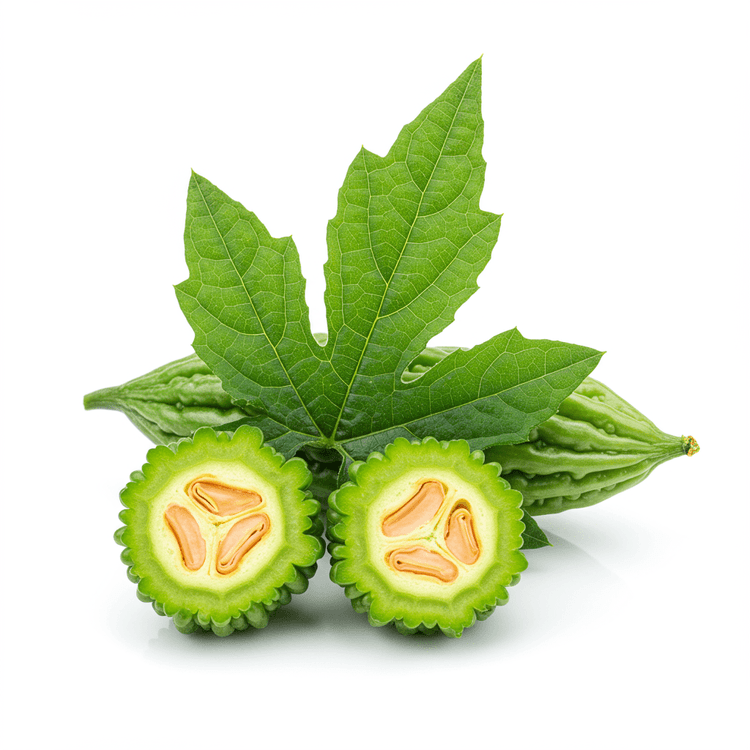
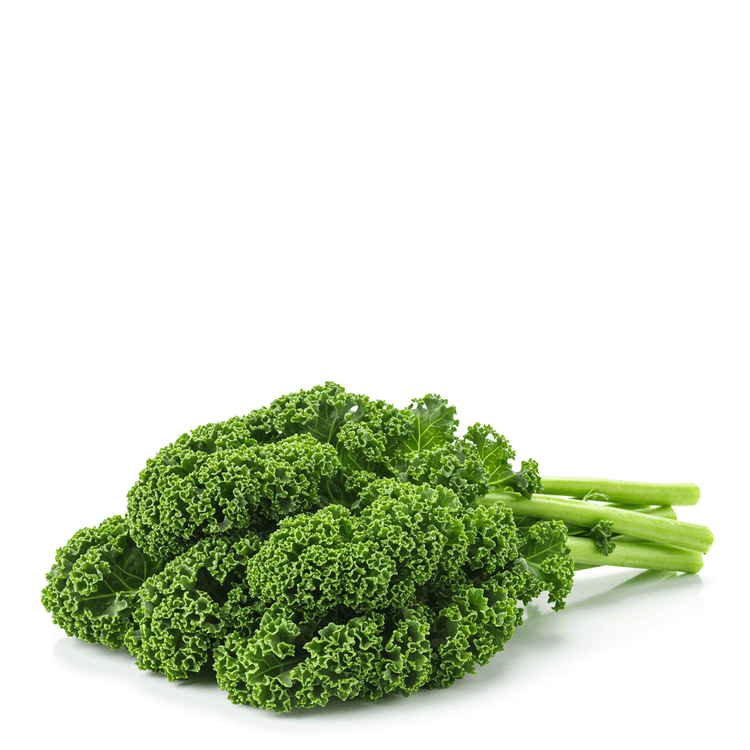
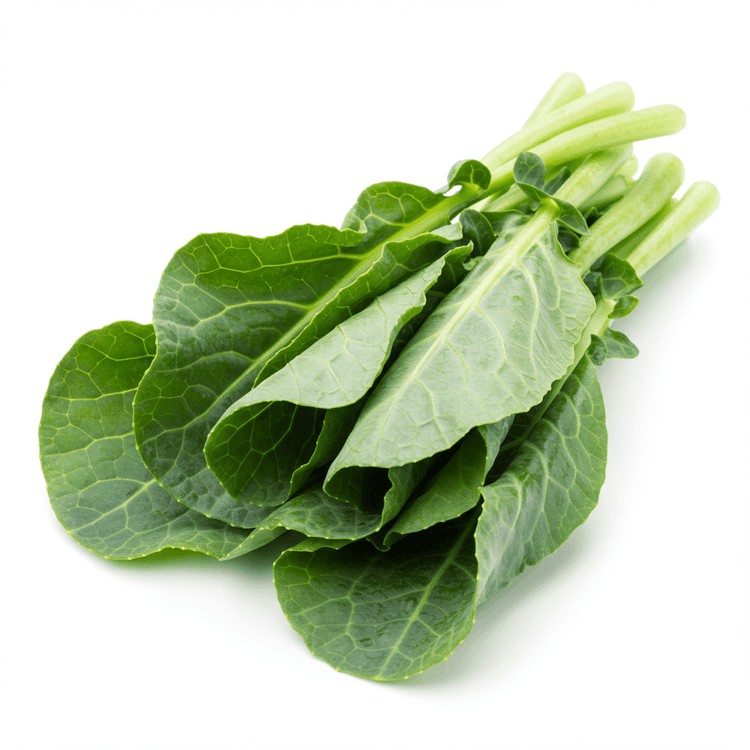
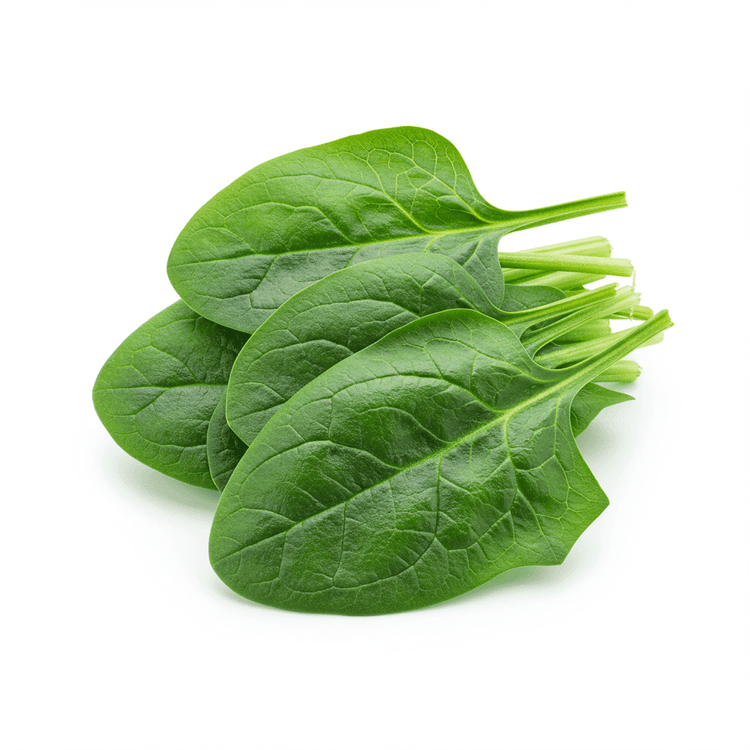
Bitter melon leaf, also known as bitter gourd leaf, is a leafy green vegetable harvested from the bitter melon plant. Characterized by its distinctively bitter flavor, these leaves offer a slightly tough texture when raw but soften upon cooking. The leaves are typically deep green, similar in appearance to other leafy greens like spinach or kale, though often smaller and more delicate. Sourcing quality bitter melon leaves is key to getting the best culinary experience, since older leaves tend to have a more intensely bitter flavor. The leaves can be eaten raw, cooked, or juiced for its health benefits. If you are looking for an ingredient to use in herbal teas or as a healthy addition to dishes, consider bitter melon leaves.
So what do they actually taste like? Think of the sharp, green bitterness you get from the bitter melon fruit itself, but gentler and more herbal, with a grassy edge that mellows the longer you cook them. Young shoots picked from the growing tips are the sweetest and most tender; the big, mature leaves lower on the vine are where the bitterness really concentrates. That bitterness isn't a flaw to hide, either. In a lot of home kitchens across the Philippines, South and Southeast Asia, and parts of Africa, it's the whole point, the thing that wakes up a plate of rice and gives an otherwise mild dish some backbone.
If you've never cooked with them, treat bitter melon leaves the way you'd treat any assertive green like mustard green or dandelion. A little fat, a little salt, and a partner ingredient with some richness (eggs, coconut milk, pork, small dried shrimp) will round off the sharp edges without erasing the character you're cooking them for. They shrink down a lot like spinach does, so grab more than you think you'll need.
Save recipes from anywhere, and get answers, swaps, and help as you cook.


Available now for early access users.