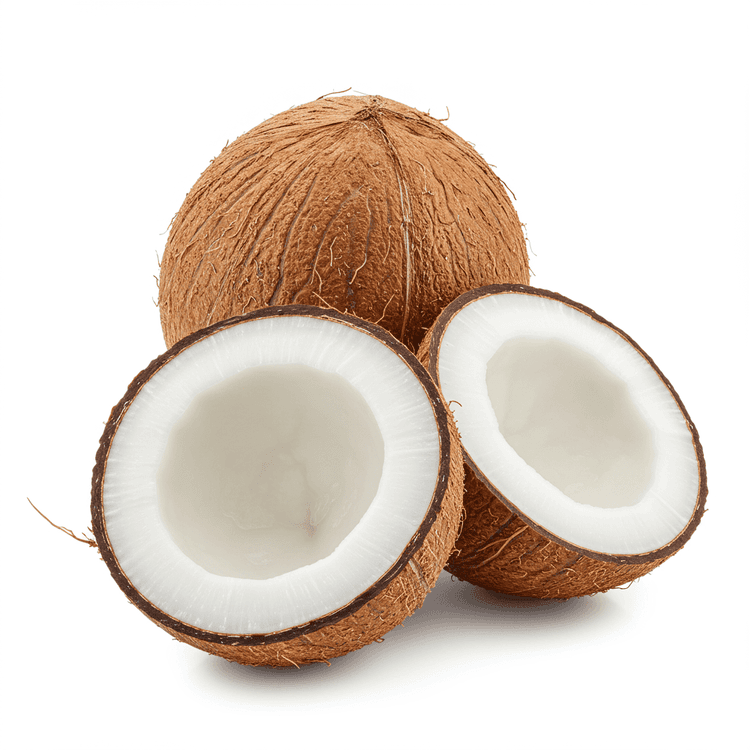
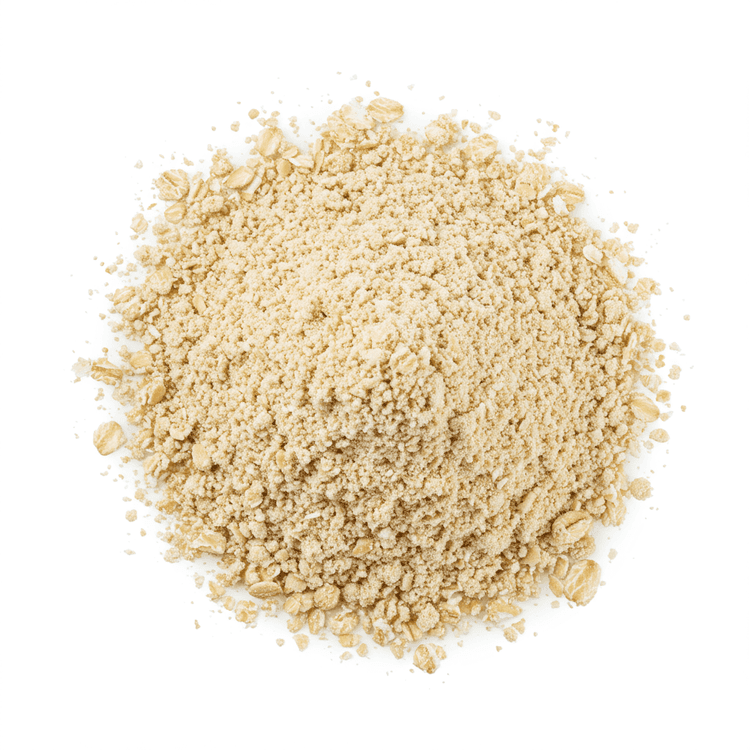
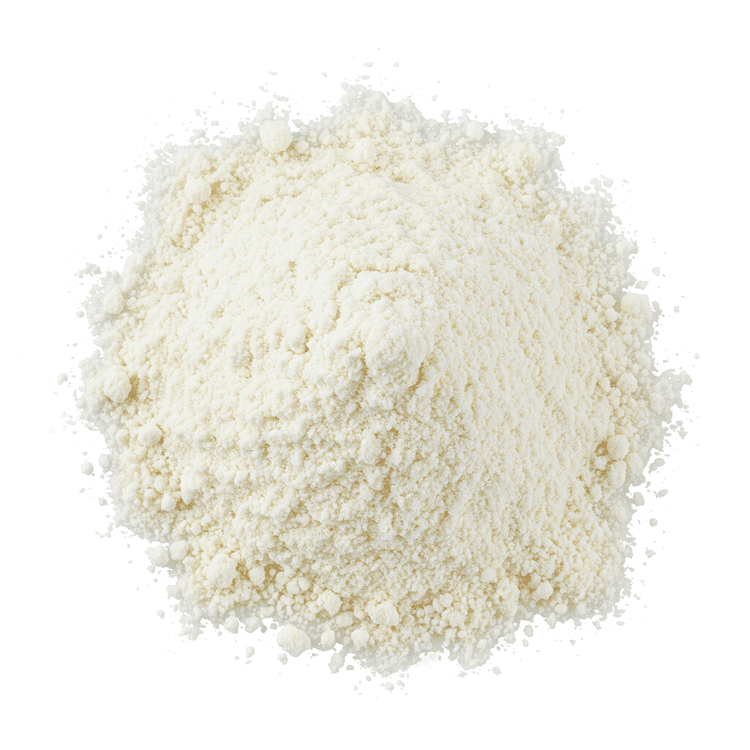
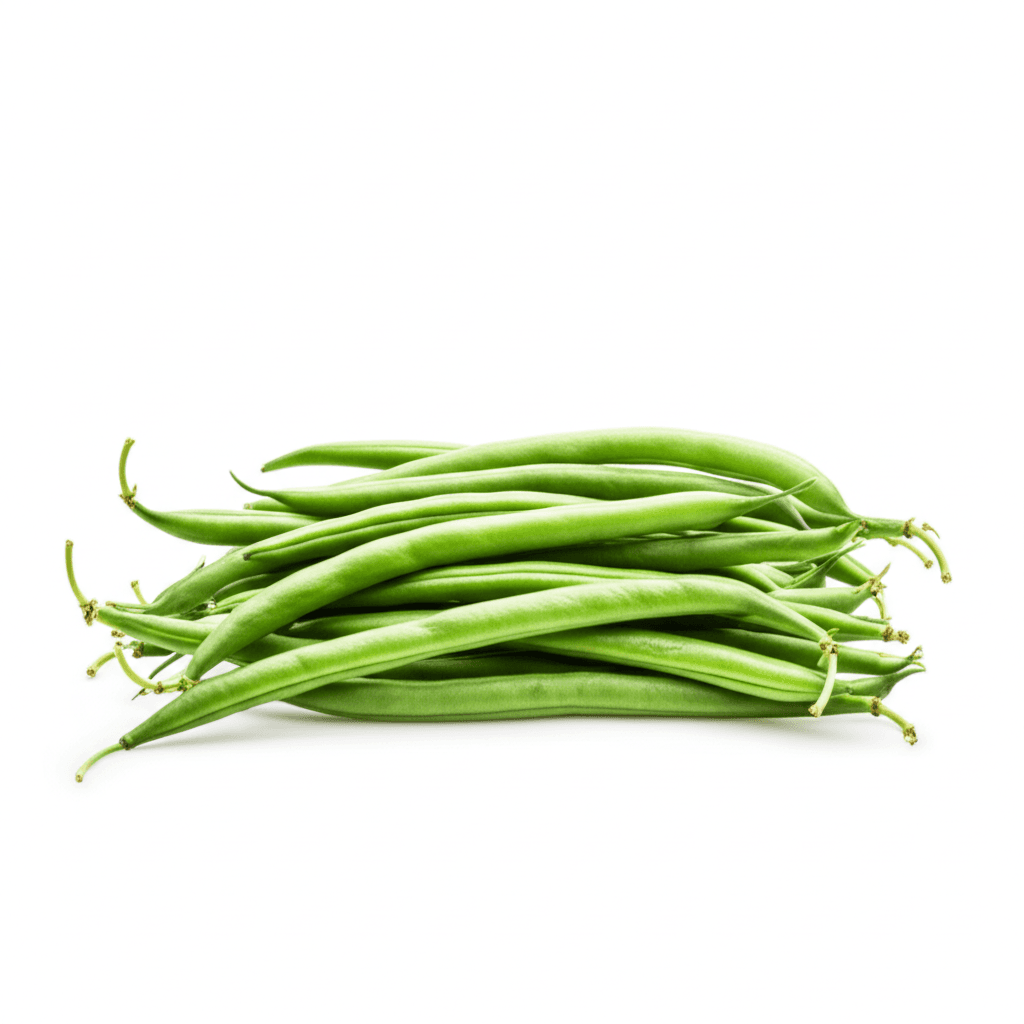
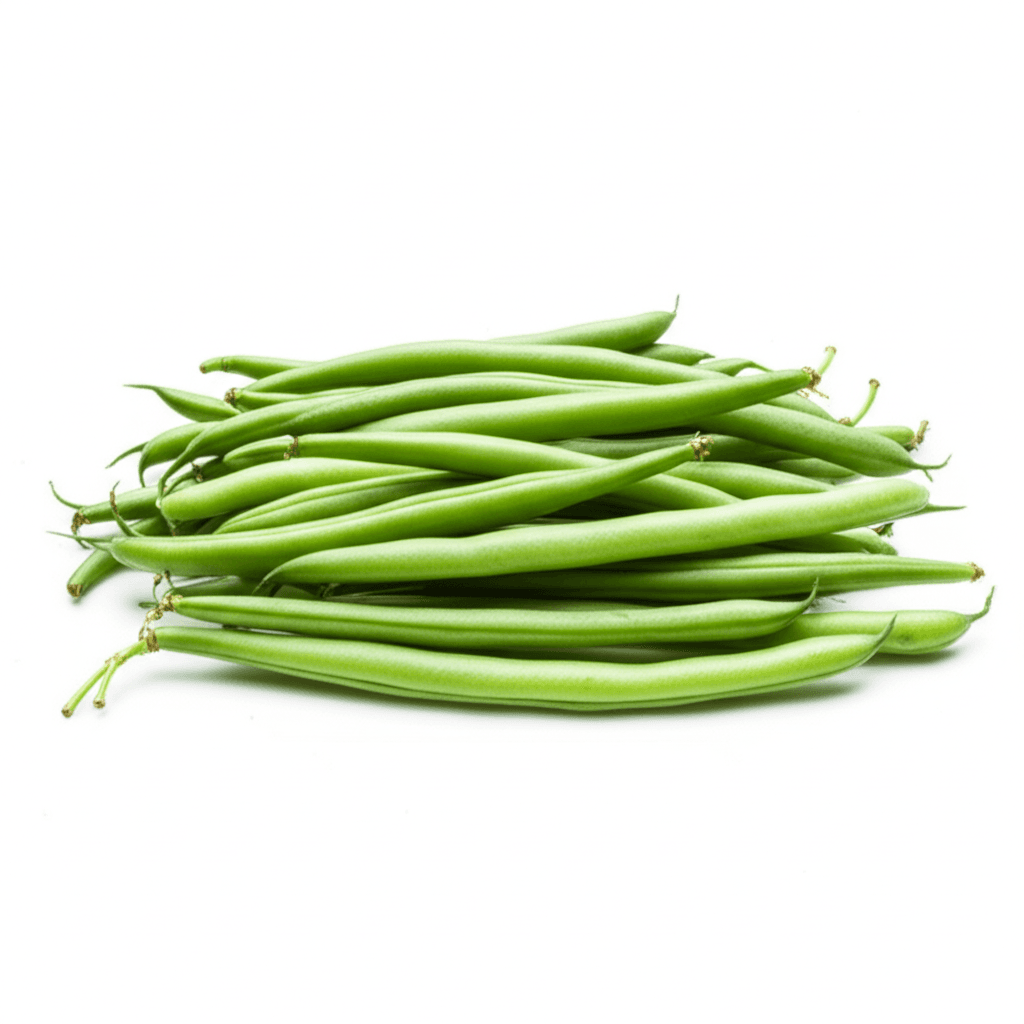
Alternative Ingredient 4
Alternative Ingredient 4 is a placeholder term often used in recipes or culinary discussions to denote a substitute for a specific ingredient. While the exact nature of this ingredient depends on the context, it typically refers to a versatile option that matches the flavor, texture, or cooking properties of the original ingredient. Substitutes are commonly sought for dietary restrictions, availability issues, or to create a unique twist in recipes. Understanding the characteristics of the original ingredient is key to choosing the right alternative.
Common Uses
- Use Alternative Ingredient 4 as a substitute for a missing or unavailable ingredient in recipes, ensuring it complements the dish's flavor profile and texture.
- Replace a specific ingredient with Alternative Ingredient 4 to accommodate dietary restrictions, such as gluten-free, vegan, or low-carb cooking.
- Experiment with Alternative Ingredient 4 to add a unique twist or variation to traditional recipes, enhancing creativity in the kitchen.
- Incorporate Alternative Ingredient 4 in baking recipes to achieve similar moisture, binding, or leavening properties as the original ingredient.
- Use Alternative Ingredient 4 to adjust the nutritional content of a dish, such as lowering calories, increasing protein, or reducing sugar.
- Substitute Alternative Ingredient 4 in international cuisines to adapt recipes to locally available ingredients while maintaining authentic flavors.
Health Benefits
- Often used as a substitute for traditional ingredients, alternative ingredients can cater to specific dietary needs such as gluten-free, low-carb, or plant-based diets.
- They can provide unique flavors and textures, enhancing the variety in recipes.
- Many alternative ingredients are nutrient-dense, offering vitamins, minerals, and fiber that support overall health.
- They are commonly used in recipes to accommodate food allergies or intolerances, such as nut-free or dairy-free options.
- Alternative ingredients can help reduce processed food consumption by offering more natural or whole-food-based options.
- They are versatile and can be used in baking, cooking, or as a base for sauces and spreads.
Chefadora AI is here.
Experience smarter, stress-free cooking.
Storage Tips
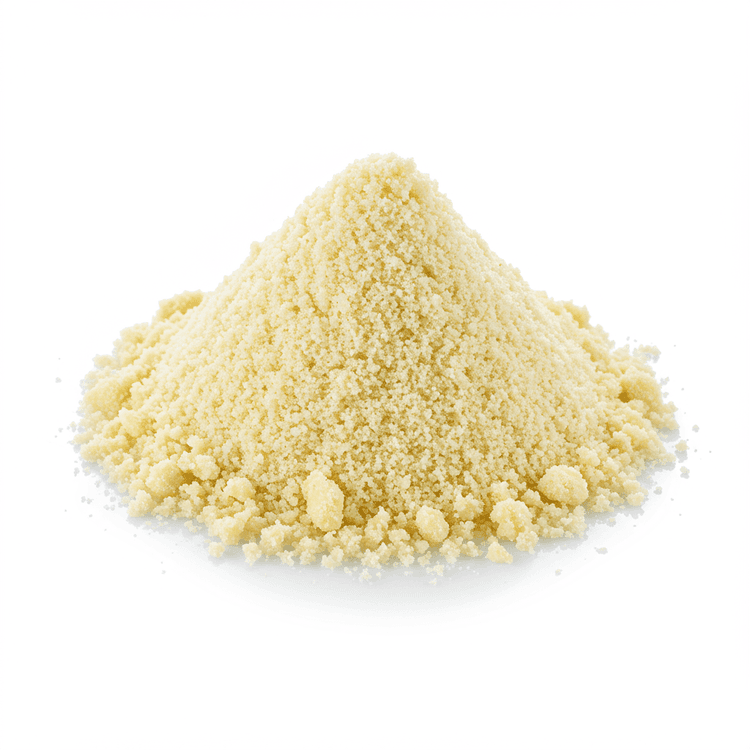
The storage method for alternative ingredients depends on the specific type. For example, flours or powders should be stored in airtight containers in a cool, dry place to prevent moisture and pests. Liquid alternatives, like plant-based milks, should be refrigerated after opening. Always check the packaging for specific storage instructions and use-by dates to ensure freshness and quality.
Marnirni-apinthi Building, Lot Fourteen,
North Terrace, Adelaide, South Australia, 5000
Australia