We use cookies on this website to ensure its proper functioning and to improve the quality of our services. Cookie Policy

Coconut is often called the “tree of life” and rightly so. Every part of this incredible tree is useful: the fruit, water, oil, milk, shell, husk, and even its leaves. From food and drinks to natural remedies, crafts, and eco-friendly products, coconuts have earned a special place in cultures around the world.
Coconut trees thrive in tropical and coastal regions. India, Sri Lanka, the Philippines, Indonesia, and Thailand are among the largest producers. In South India, coconuts are woven into everyday cooking; flavouring curries, chutneys, and festive dishes.
Coconuts are far more than a tropical fruit. It’s a source of nutrition, energy, and wellness. Packed with healthy fats, fibre, vitamins, and minerals, it supports overall health. For centuries, people have relied on coconuts for cooking, skincare, crafts, and traditional medicine.

Nature’s very own energy drink! Fresh coconut water is loaded with electrolytes like potassium, magnesium, and sodium—making it a perfect natural rehydrator after workouts, long summer days, or even a mild hangover. It cools the body instantly and is often recommended in Ayurveda for balancing pitta dosha (heat in the body).
A South Indian breakfast classic! Freshly grated coconut blended with curry leaves, green or red chillies, and tempered with mustard seeds—served alongside idli, dosa, vada, or upma. You can keep it classic with this South Indian coconut chutney, add a creamy twist with coconut curd chutney, or whip up a quick instant coconut chutney when pressed for time.
Beyond chutneys, coconut paste is often used as a base for spice blends in Kerala-style and coastal curries.
The soft, jelly-like flesh inside a young coconut is not just refreshing but also highly nutritious. Light on the stomach, rich in healthy fats, and naturally sweet, it makes for a great post-meal dessert on its own. In tropical regions, people blend it into smoothies, add it to fruit bowls, or even churn it into tender coconut ice cream.
Desiccated coconut is light, flaky, and shelf-stable, making it a versatile ingredient for both baking and festive sweets. Use it in recipes like whole wheat coconut cake and homemade cookies.
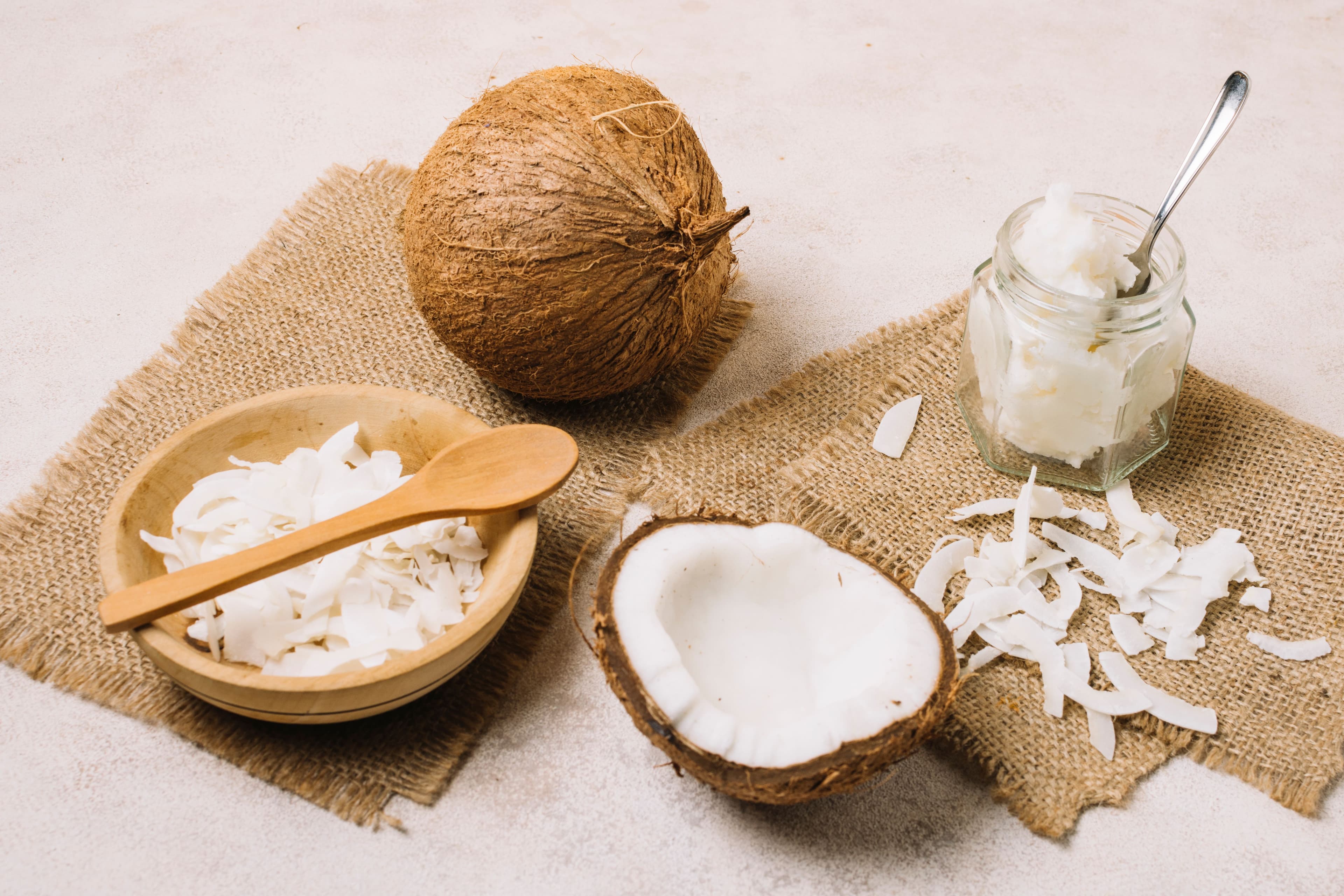
In Indian kitchens, it becomes the heart of celebrations - whether it’s the vibrant beetroot coconut burfi, bite-sized carrot-coconut ladoos, or tropical-sweet mango-coconut ladoos. ‘
And here’s a little secret: toast it lightly before using, it deepens the nutty aroma and takes the flavour to the next level.
Once the coconut ripens, its flesh becomes firmer and more flavourful. Grated or sliced, it’s a staple in South Indian and Southeast Asian cooking. Think coconut-laced egg curry, coconut rice, kheer, laddoos, or even simple chutneys. Try this delicious Narali Bhaat - Sweet Coconut Rice.
Dried coconut flakes make a crunchy snack, while roasted coconut adds a rich flavour to trail mixes and sweets.
One of the most versatile gifts of the coconut! Cold-pressed virgin coconut oil is rich in medium-chain fatty acids, making it great for heart health in moderation. It’s widely used for sautéing, frying, and baking. Beyond the kitchen, it serves as a natural moisturiser, hair conditioner, and even a gentle oil for baby massages. No wonder it’s called a miracle oil.
Extracted from grated mature coconut, this is what gives South Indian curries, Thai dishes, and Sri Lankan hoppers their signature creaminess. Coconut milk adds body to soups, gravies, and smoothies, while coconut cream is the secret to decadent desserts like payasam, puddings, and even vegan whipped cream.
Hydration – Coconut water replenishes fluids and minerals.
Energy Boost – Healthy fats provide quick, lasting energy.
Digestive Health – Fibre supports smooth digestion.
Cooling Effect – Tender coconut helps cool and soothe the body.
Heart Health – May support cholesterol balance in moderation.
Skin & Hair Care – Coconut oil nourishes and protects.
Immunity – Natural compounds may help fight infections.
Coconut truly lives up to its title as the tree of life—its parts are used far beyond the kitchen.
Coconut Shell – Crafted into bowls, ladles, jewellery, and decorative items. It’s also used to make activated charcoal for filters.
Coconut Husk (Coir) – The fibrous husk is turned into ropes, mats, brushes, mattresses, and natural gardening material.
Coconut Leaves – Woven into baskets, mats, or even used as eco-friendly roofing.
Coconut Trunk – Provides durable timber for building houses, furniture, and bridges.
Coconut Sap (Neera/Toddy) – A sweet liquid tapped from the flower stalk, enjoyed fresh or fermented into vinegar, jaggery, and traditional beverages.
Coconut Shell Charcoal – Burned as fuel or used in barbecues as a sustainable alternative.
✨ In short, the coconut is truly the kalpavriksha (wish-fulfilling tree)—every part of it can be eaten, used, or cherished in some way!
Q1: Can coconut oil go bad?
A1: Yes, coconut oil can go bad over time. It usually lasts up to 2 years if stored properly in a cool, dark place. Signs of spoilage include a sour smell, unusual taste, or mould.
Q2: Will coconut oil whiten teeth?
A2: Coconut oil is sometimes used in oil pulling, which may help reduce plaque and bacteria. While it can improve oral health and make teeth appear cleaner, it does not actually whiten teeth like bleaching products do.
Q3: Can coconut oil kill fleas?
A3: Coconut oil contains lauric acid, which can help repel or kill fleas by coating their exoskeleton. However, it may not be as effective as veterinary-approved treatments and should be used with caution.
Q4: Will coconut oil clog pores?
A4: Coconut oil is considered comedogenic, meaning it can clog pores for some people, especially those with oily or acne-prone skin. Others with dry or normal skin may tolerate it better.
Q5: Will coconut oil help hair growth?
A5: Coconut oil nourishes the scalp, reduces protein loss, and strengthens hair. While it doesn’t directly speed up growth, it can improve overall hair health and reduce breakage, which helps hair grow longer and stronger.
Q6: Can coconut water go bad?
A6: Yes, coconut water can spoil quickly once opened. Unopened, it can last until the printed expiration date. After opening, it should be refrigerated and consumed within 24–48 hours.
Q7: Can coconut water cause diarrhea?
A7: Drinking too much coconut water may cause diarrhea in some people due to its high potassium and natural laxative effect. Moderate consumption is generally safe.
Q8: Can coconut milk go bad?
A8: Yes, coconut milk can spoil. Fresh homemade coconut milk should be used within 3–4 days when refrigerated, while canned or packaged coconut milk lasts longer until opened. Signs of spoilage include sour smell, taste, or separation.
Q9: Can coconut oil grow hair?
A9: Coconut oil doesn’t directly stimulate hair follicles to grow faster. Instead, it reduces hair damage, breakage, and dryness, creating a healthier environment for hair growth.
Q10: Can coconut oil help sunburn?
A10: Coconut oil can soothe mild sunburn by moisturising dry, irritated skin and reducing peeling. However, it should only be applied after the heat of the burn has cooled down.
Coconut is nature’s true all-rounder. Whether you sip refreshing coconut water, savour tender flesh, enrich curries with coconut milk, use its oil for beauty care, or repurpose its husk and shell, this tropical treasure adds nourishment, sustainability, and vitality to daily life. Including coconut in your routine is a simple way to stay healthy, energetic, and refreshed.
Updated on 30 Sept 2025
Save recipes from anywhere, and get answers, swaps, and help as you cook.

