We use cookies on this website to ensure its proper functioning and to improve the quality of our services. Cookie Policy
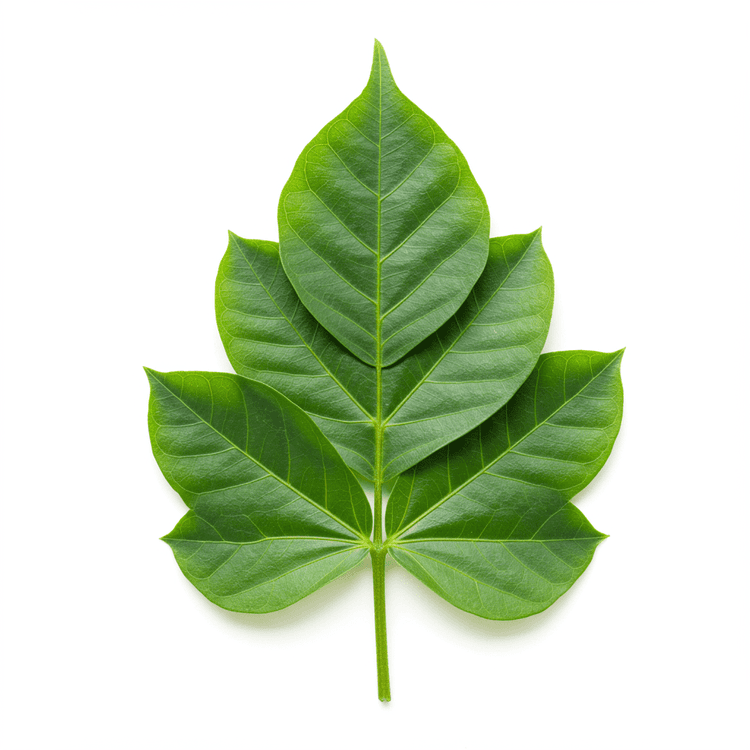
Utazi leaf, also known by its botanical name Gongronema latifolium, is a distinctive West African leafy vegetable prized for its unique bitter and slightly sweet flavor. The leaves are typically medium-sized, oval-shaped, and have a vibrant green color, with a slightly chewy texture that holds up well in long-simmered dishes. When used in cooking, utazi provides a characteristic depth of flavor that is both refreshing and stimulating to the palate, which is exactly why it shows up in so many special-occasion Nigerian dishes rather than everyday cooking.
What does utazi taste like? Think of it as pleasantly bitter up front with a green, almost herbal sweetness underneath, a little like a milder cousin of bitterleaf. The bitterness is assertive but not harsh, and it mellows the longer it cooks, so a pinch goes a long way. Cooks reach for it the way you might reach for a bay leaf or a bitter green in Western kitchens: not for bulk, but for that grown-up edge that keeps a rich, fatty dish from feeling heavy.
Utazi is a popular ingredient among home cooks who care about balance on the plate, and it is naturally vegan, gluten-free, and very low in carbohydrates, which makes it easy to fit into most eating styles. Its nutritional profile includes a range of vitamins and minerals, adding to its appeal as a wholesome addition to soups, stews, and teas.
Save recipes from anywhere, and get answers, swaps, and help as you cook.


Available now for early access users.