We use cookies on this website to ensure its proper functioning and to improve the quality of our services. Cookie Policy
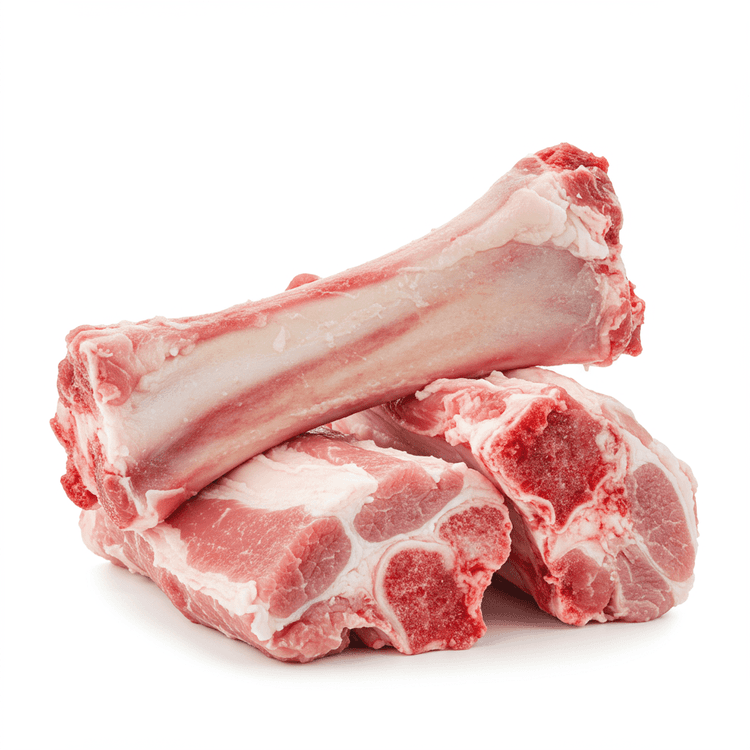
Pork bones are a versatile ingredient commonly used in cooking to create rich, flavorful broths and stocks. Known for their deep, meaty flavor, they are often simmered for hours to extract their nutrients and gelatin, resulting in a silky texture and robust taste. Typically, pork bones are light brown to beige in color and can include marrow, which adds an extra layer of richness to dishes. Perfect for soups, stews, and sauces, pork bones are a staple in many cuisines, including Asian and Western cooking, where they are prized for their ability to enhance the depth of flavor in recipes.
What you actually taste when you cook with pork bones is a gentle, savory pork flavor that's milder and more rounded than beef and far less gamey than lamb. Neck bones and back bones carry little scraps of meat that fall off tender after a long simmer, while leg and knuckle bones are loaded with cartilage and connective tissue — that's where the body and mouth-coating richness of a good broth comes from. A pot of pork bones left to bubble away smells warm and comforting, and the liquid turns from clear to a soft milky white if you keep it at a rolling boil (the classic look of tonkotsu ramen) or stays golden and clean if you barely simmer it.
At the butcher or Asian grocer you'll usually find them sold as neck bones, spine or back bones, femur (leg) bones split for marrow, and knuckles or trotters for extra gelatin. Blanching them first — a quick boil, then a rinse — is the single trick that separates a clear, clean broth from a cloudy, scummy one, and it's worth the extra ten minutes. If pork isn't an option, other bone cuts behave much the same way in the pot.

Save recipes from anywhere, and get answers, swaps, and help as you cook.


Available now for early access users.