We use cookies on this website to ensure its proper functioning and to improve the quality of our services. Cookie Policy
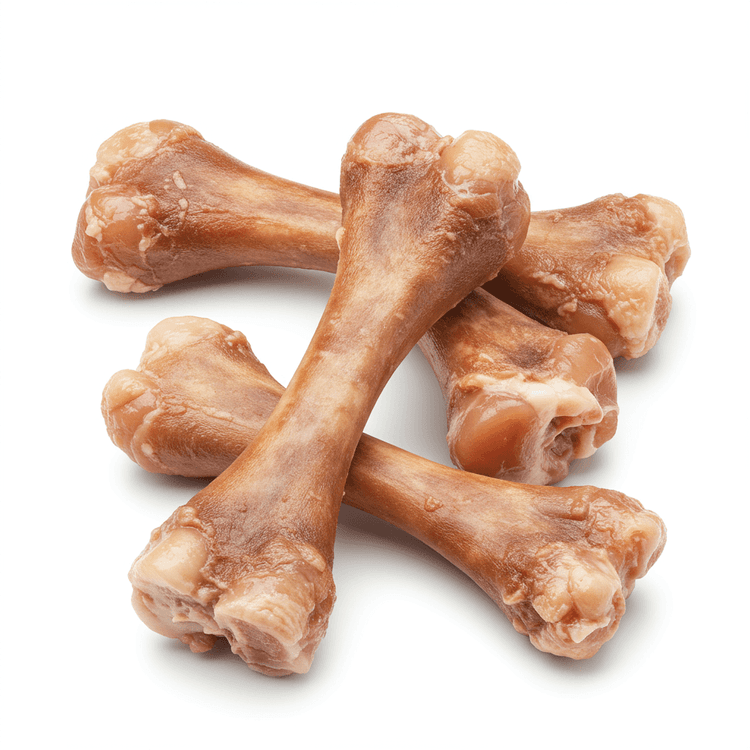
Chicken bones are a versatile and nutrient-rich ingredient commonly used in cooking to create flavorful broths, stocks, and soups. Known for their ability to release collagen and minerals when simmered, chicken bones contribute a rich, savory depth to dishes. They are typically light beige to off-white in color and can include parts like the carcass, wings, or drumstick bones. Perfect for slow cooking, chicken bones are a staple in traditional and modern cuisines for their ability to enhance both flavor and nutritional value.
On their own, chicken bones don't taste like much, but that's the whole point of them. Give them a few hours in a pot of gently simmering water and they slowly give up everything they've been holding onto — the collagen from the joints, the marrow tucked inside the leg bones, and that mellow, roasty flavor from any bits of meat and skin still clinging on. What you're left with is a stock that's savory and lightly gelatinous, with a body that store-bought cartons rarely match. Wing tips, backs, necks, and the leftover carcass from a roast chicken are all fair game, and mixing a few types usually gives you the most rounded flavor.
Because they're often what's left after you've eaten the good parts, chicken bones are one of the most economical ways to squeeze more out of a bird. Home cooks tend to save them up in the freezer until there's enough for a proper batch of stock. If you like this whole-animal, nothing-wasted approach, they sit comfortably alongside other poultry scraps and are a cornerstone of any good stock ingredient collection.

Save recipes from anywhere, and get answers, swaps, and help as you cook.


Available now for early access users.