We use cookies on this website to ensure its proper functioning and to improve the quality of our services. Cookie Policy
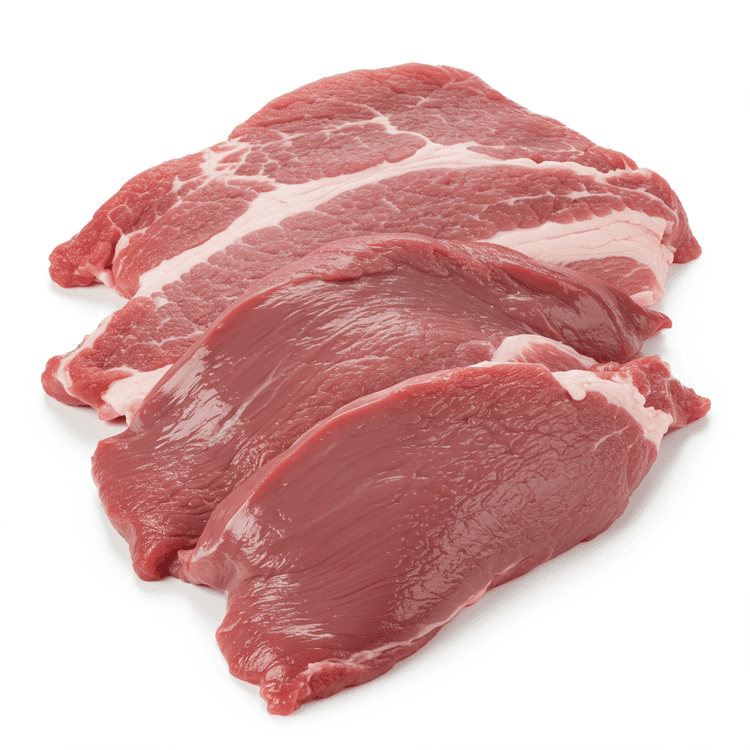
Pork blood, sometimes sold as blood curd or listed as blood sausage filling, is one of those ingredients that looks intimidating but has quietly anchored home cooking across the world for centuries. Fresh, it's a deep, glossy red that turns a dark maroon-to-near-black once cooked. Raw, it's thin and pourable; add heat and it sets into something soft and custardy, closer to silken tofu than to meat. The flavor is savory and mineral-forward with a gentle metallic edge that mellows a lot once it's simmered with aromatics, vinegar, or spice.
If you've ever eaten black pudding at a British breakfast, boudin noir in France, dinuguan in the Philippines, or the sliced blood curd that shows up in a bowl of Sichuan hotpot or Taiwanese noodle soup, you already know what pork blood can do. It's prized precisely because it carries deep, rich flavor and adds body and color to a dish without a lot of added fat.
Because it's an animal product, it isn't vegan or vegetarian, and it's not something to improvise with — freshness and food safety matter more here than with almost any other ingredient. Buy it from a butcher or market you trust, keep it very cold, and cook it thoroughly. Handled well, it's rewarding, deeply traditional cooking; you can browse related cuts under meat if you're building a whole nose-to-tail meal.

Save recipes from anywhere, and get answers, swaps, and help as you cook.


Available now for early access users.