Oil
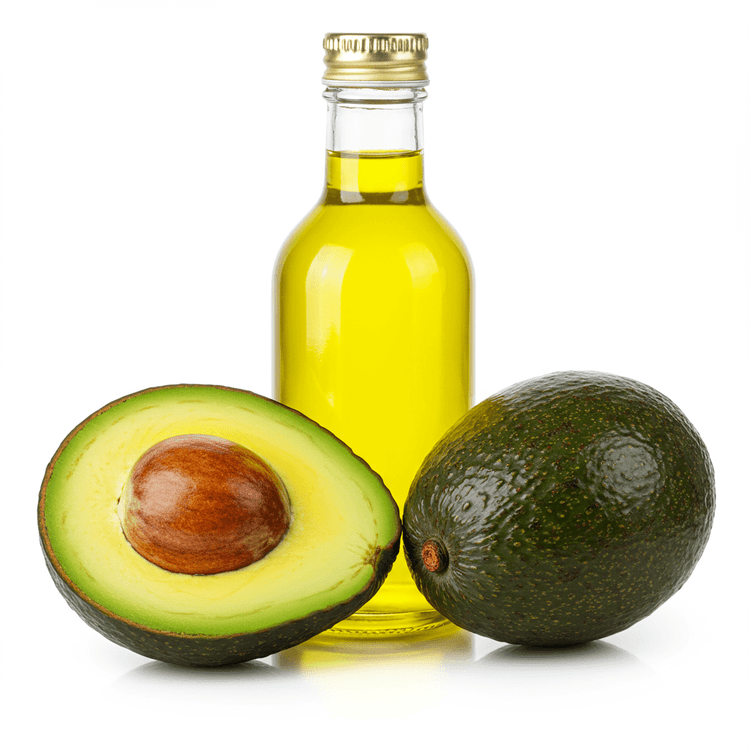
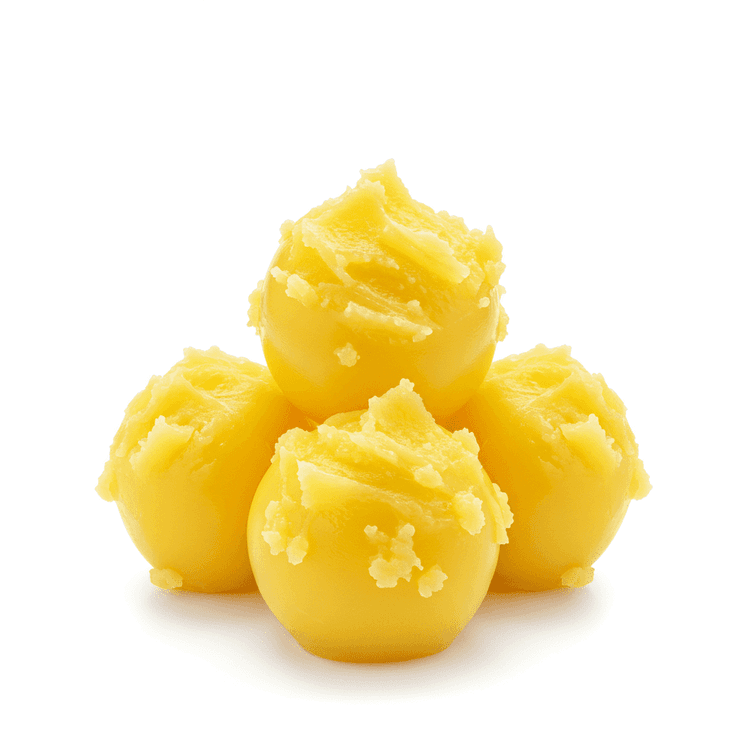
Oil is a versatile cooking ingredient known for its smooth texture and neutral to rich flavor, depending on the type. It can range in appearance from clear and golden to deep green or amber, depending on whether it's vegetable oil, olive oil, or specialty oils like sesame or avocado. Oils are essential in cooking for frying, sautéing, baking, and even as a finishing touch to enhance flavor. Rich in healthy fats, oils are a staple in kitchens worldwide and come in refined and unrefined varieties to suit different culinary needs.
Common Uses
- Used for frying and sautéing to create crispy textures and evenly cooked dishes, such as stir-fries or fried chicken.
- Incorporated into baking recipes to add moisture and richness to cakes, muffins, and cookies.
- Drizzled over salads or roasted vegetables as a dressing or finishing touch to enhance flavor and add a silky texture.
- Used as a base for marinades and sauces, helping to emulsify and carry flavors of herbs and spices.
- Applied to pans and grills to prevent sticking and ensure even cooking of foods like pancakes, eggs, or grilled meats.
- Added to soups and stews for depth of flavor and a smooth, velvety consistency.
Nutrition (per serving)
Calories
884.0kcal (44.2%)
Protein
0.0g
Carbs
0.0g
Sugars
0.0g
Healthy Fat
84.1g
Unhealthy Fat
14.0g
% Daily Value based on a 2000 calorie diet
Nutrition (per serving)
Calories
884.0kcal (44.2%)
Protein
0.0g
Carbs
0.0g
Sugars
0.0g
Healthy Fat
84.1g
Unhealthy Fat
14.0g
% Daily Value based on a 2000 calorie diet
Health Benefits
- Adds richness and depth to dishes, enhancing flavor profiles in cooking and baking.
- Provides essential fats that support energy and overall nutritional balance.
- Commonly used for sautéing, frying, and roasting due to its high heat tolerance.
- Can be a source of healthy unsaturated fats, depending on the type (e.g., olive oil, avocado oil).
- Often used in salad dressings and marinades for its smooth texture and ability to bind ingredients.
- Helps improve the absorption of fat-soluble vitamins in meals.
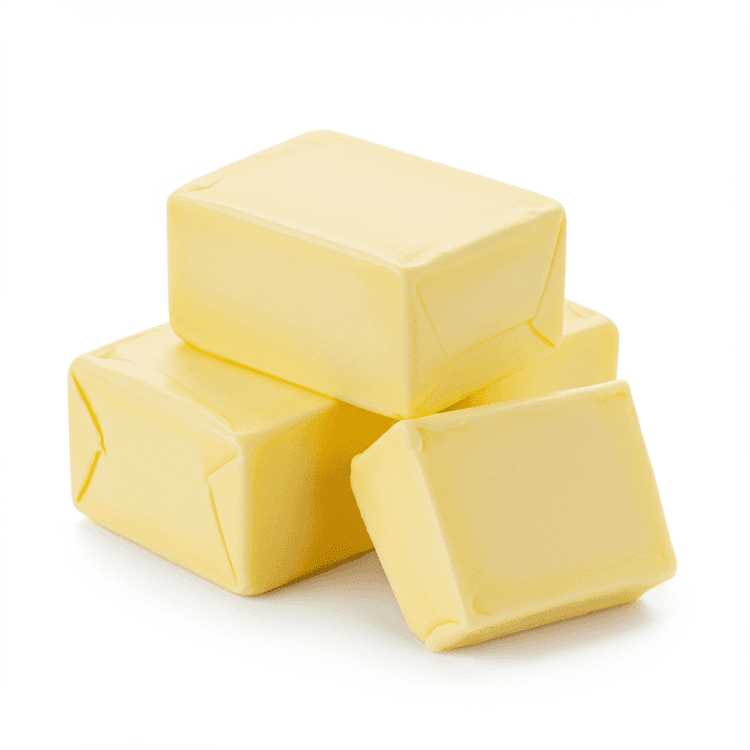
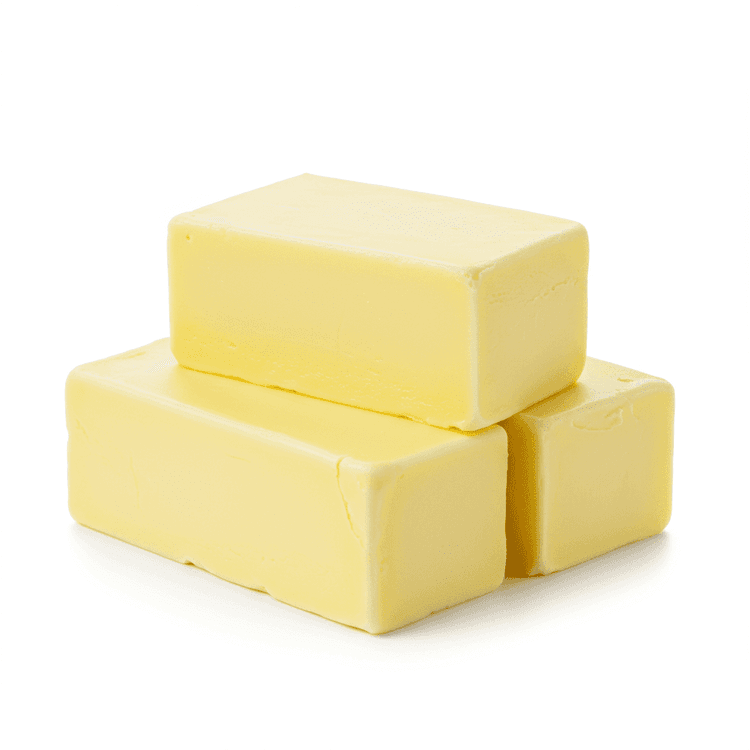
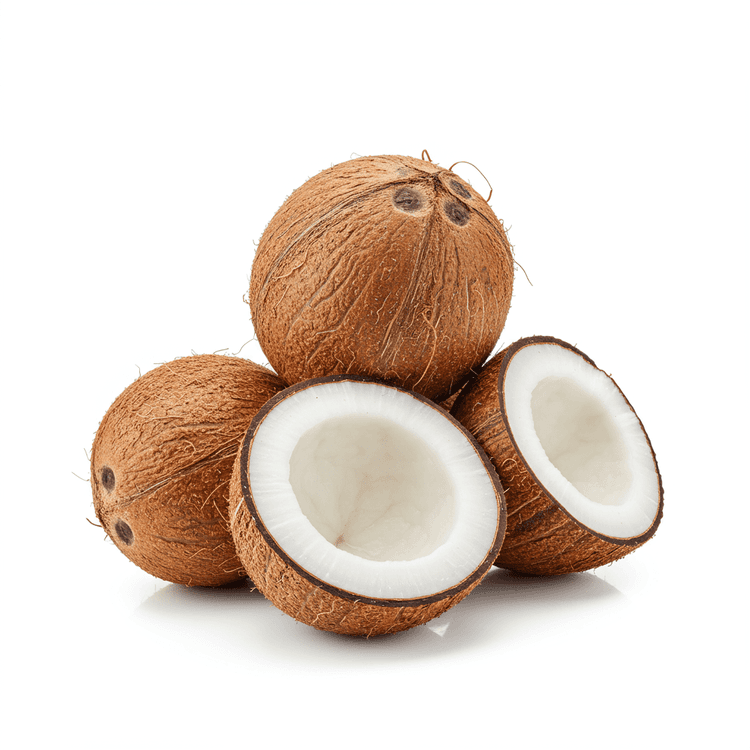
Substitutes
Chefadora AI is here.
Experience smarter, stress-free cooking.
Storage Tips
Store oil in a cool, dark place away from direct sunlight to prevent oxidation and rancidity. Use airtight containers to maintain freshness, and avoid storing near heat sources like stoves. Refrigeration is recommended for oils with shorter shelf lives, such as flaxseed or walnut oil, while most cooking oils like olive or vegetable oil can remain at room temperature. Always check the expiration date and seal tightly after each use.

Marnirni-apinthi Building, Lot Fourteen,
North Terrace, Adelaide, South Australia, 5000
Australia