Cooking fats are essential for flavor, texture, and overall health. While often misunderstood, the right fats, used in moderation, are crucial for a balanced diet. This category encompasses a wide variety of oils and solid fats, each with unique properties and nutritional profiles.
General Health Benefits of Cooking Fats
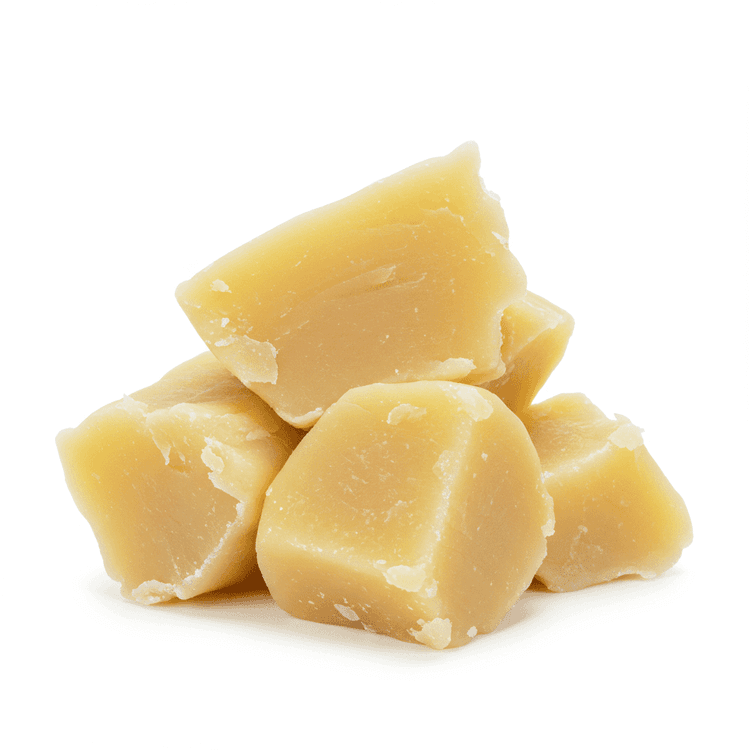
Fats are vital for absorbing fat-soluble vitamins (A, D, E, and K), supporting hormone production, and providing energy. Certain fats, particularly those rich in omega-3 and omega-6 fatty acids, are essential because our bodies cannot produce them. These essential fatty acids play critical roles in brain function, heart health, and reducing inflammation. Cooking with oils like olive oil (rich in monounsaturated fats) and avocado oil (also a good source of monounsaturated fats and vitamin E) can contribute to a healthy cardiovascular system. Coconut oil, while high in saturated fat, contains medium-chain triglycerides (MCTs), which are metabolized differently than long-chain triglycerides and may offer some metabolic benefits. However, it's important to consume coconut oil in moderation. Even butter, when sourced from grass-fed cows, provides beneficial nutrients like butyrate, a short-chain fatty acid that supports gut health.
Culinary Uses and Popular Dishes
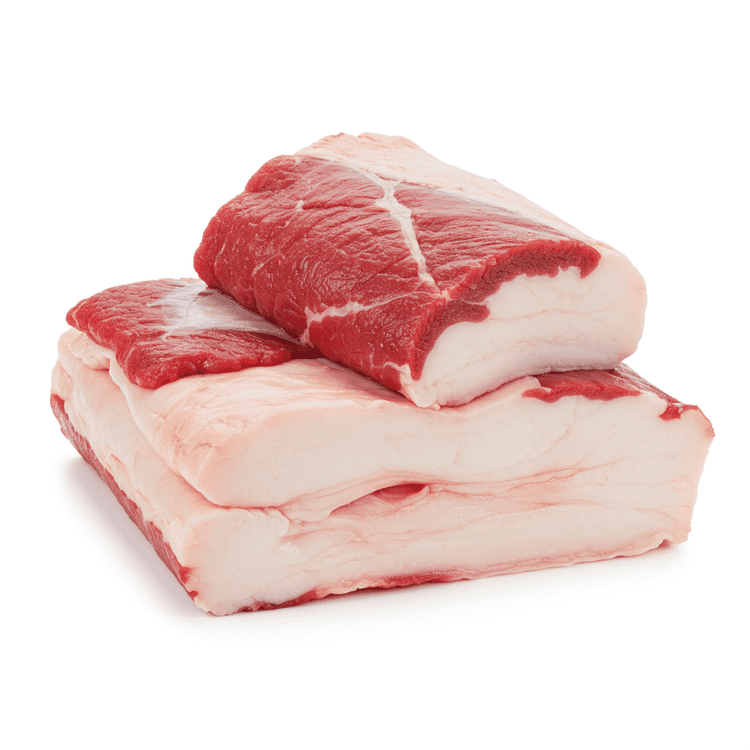
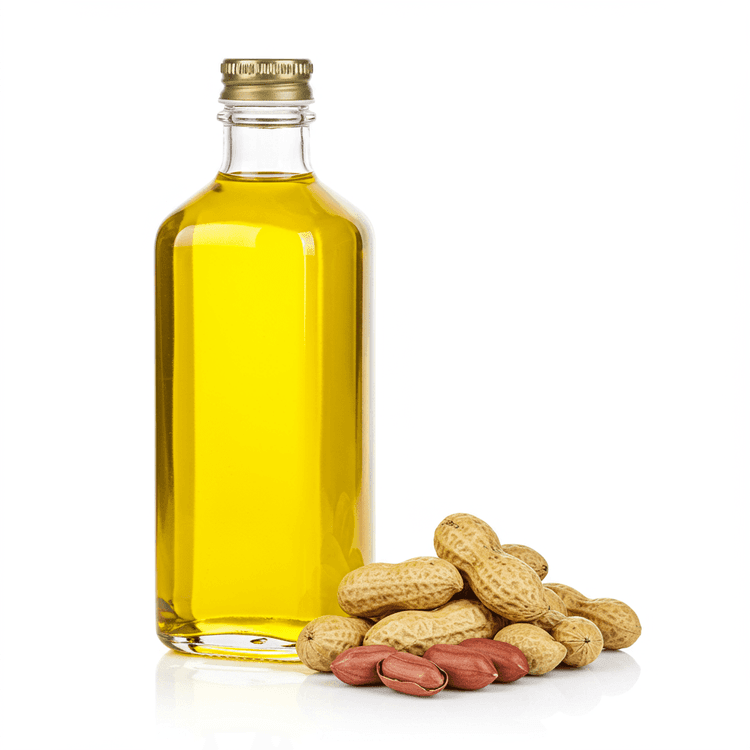
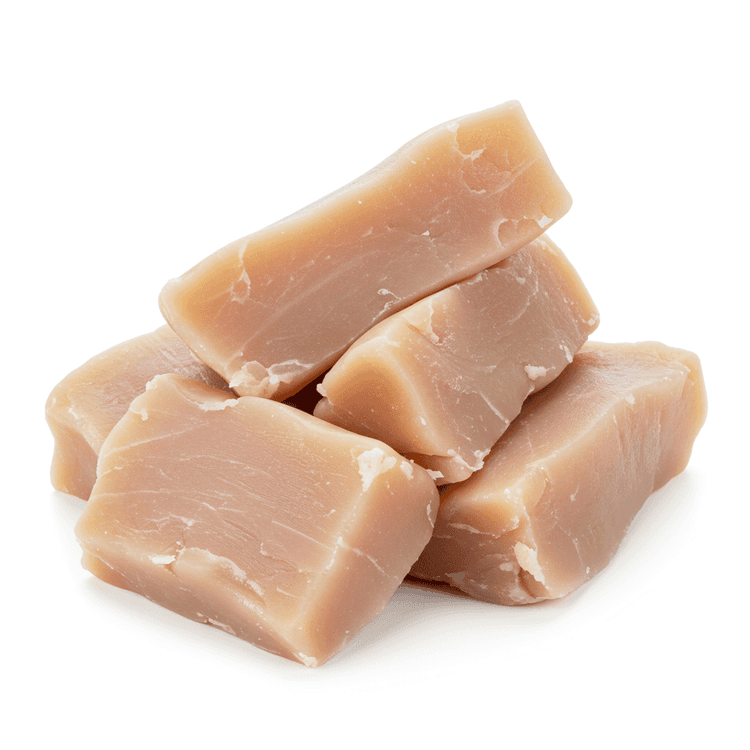
Cooking fats are indispensable in the kitchen, serving multiple roles beyond simply preventing food from sticking. They enhance flavor, create desirable textures (crispy, tender, flaky), and contribute to the overall sensory experience of a dish. Different fats are suitable for different cooking methods. For high-heat cooking like frying or searing, consider using oils with high smoke points such as avocado oil, refined coconut oil, or ghee. Olive oil is excellent for sautéing and drizzling over finished dishes. Butter adds richness and flavor to baked goods and sauces. Animal fats like lard or tallow are traditionally used for deep-frying and impart a unique flavor profile. Popular dishes that heavily rely on cooking fats include: fried chicken, stir-fries, baked goods like cakes and cookies, roasted vegetables (olive oil enhances their flavor), and creamy sauces like béchamel (butter and flour roux).
Importance for a Balanced Diet and Overall Wellness
While overconsumption of any fat, especially saturated and trans fats, can be detrimental to health, completely eliminating fats from your diet is equally problematic. A balanced intake of healthy fats is essential for numerous bodily functions. Monounsaturated and polyunsaturated fats can help lower bad cholesterol levels, reducing the risk of heart disease. Omega-3 fatty acids, found in fish oil supplements and some cooking oils like flaxseed oil (though not suitable for high-heat cooking), are crucial for brain health and cognitive function. Furthermore, cooking fats contribute to satiety, helping you feel fuller for longer and potentially aiding in weight management. The key is to choose the right types of fats and use them in moderation, incorporating them thoughtfully into a well-rounded diet rich in fruits, vegetables, and lean protein. Consider the smoke point and the intended use of the cooking fat to ensure you're using the most appropriate option for your needs. Remember, variety is key – experiment with different types of cooking fats to explore their unique flavors and nutritional benefits, and always be mindful of portion sizes. ||
Cooking Fat are an essential part of a healthy diet, providing a wide range of nutrients and health benefits. Explore our collection of cooking fat ingredients.