We use cookies on this website to ensure its proper functioning and to improve the quality of our services. Cookie Policy
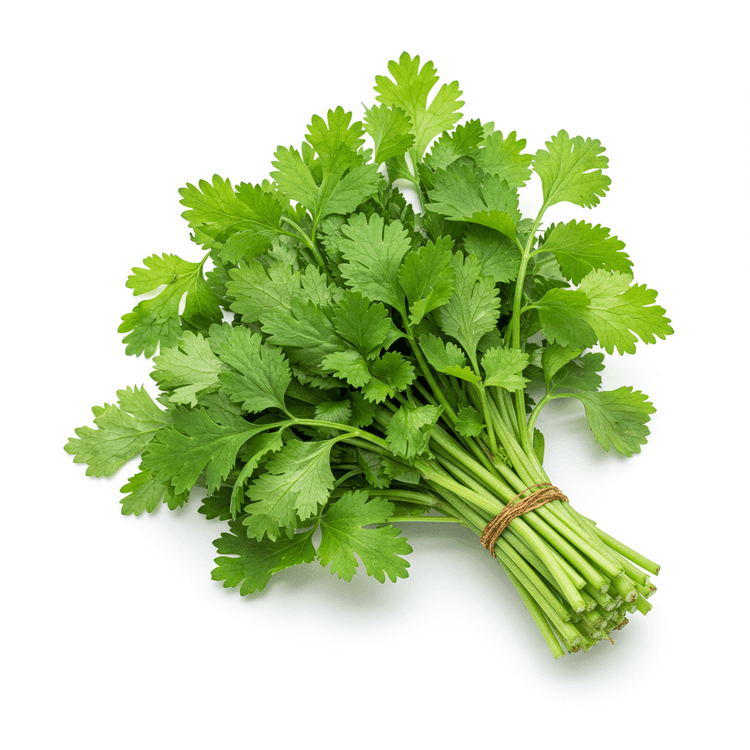
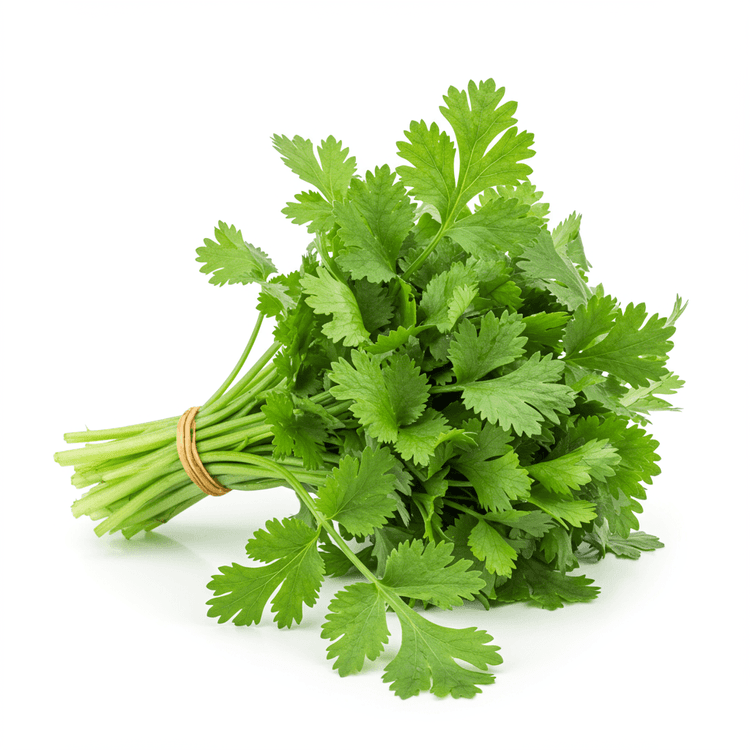
Culantro, also known as sawtooth coriander or recao, is a leafy herb boasting a potent, pungent aroma and a flavor remarkably similar to cilantro, but significantly stronger. Its long, serrated leaves, typically bright green, offer a more robust and earthy taste with hints of citrus. Culantro's firm texture holds up well in cooking, making it ideal for dishes where you want a lasting herbal presence. Unlike cilantro, culantro retains its flavor even after being cooked at high temperatures, making it a valuable addition to various cuisines. Use this flavorful herb to enhance your culinary creations with a burst of fresh, vibrant character.
If you've ever wondered what culantro tastes like, picture cilantro turned up several notches: soapy-fresh to some palates, deeply green and almost savory to others, with a peppery, celery-like edge on the finish. Because the leaves are tougher and more fibrous than cilantro's feathery fronds, they're usually chopped finely rather than scattered whole, and a little goes a long way. One or two leaves can flavor an entire pot of soup, so it's easy to overdo it if you treat it like a milder herb.
You'll spot culantro under many names depending on where you shop. In Latin markets it's recao or cilantro ancho; in the Caribbean it's simply chadon beni or bandhania; and across Southeast Asia it turns up in Vietnamese and Thai cooking as ngo gai, or sawtooth herb. Whatever it's called, this is a warm-climate herb prized precisely because it delivers big, cilantro-forward flavor that stands up to long simmering rather than fading the moment it hits heat.

Save recipes from anywhere, and get answers, swaps, and help as you cook.


Available now for early access users.