Syrups, in their diverse forms, offer more than just sweetness; they can contribute subtle nutritional benefits and unique flavors to your diet. While often considered a simple addition to pancakes or waffles, syrups, especially those derived from natural sources, can offer a range of advantages when consumed mindfully and as part of a balanced dietary approach. The key is to understand the different types of syrups available and to prioritize those with minimal processing and added ingredients.
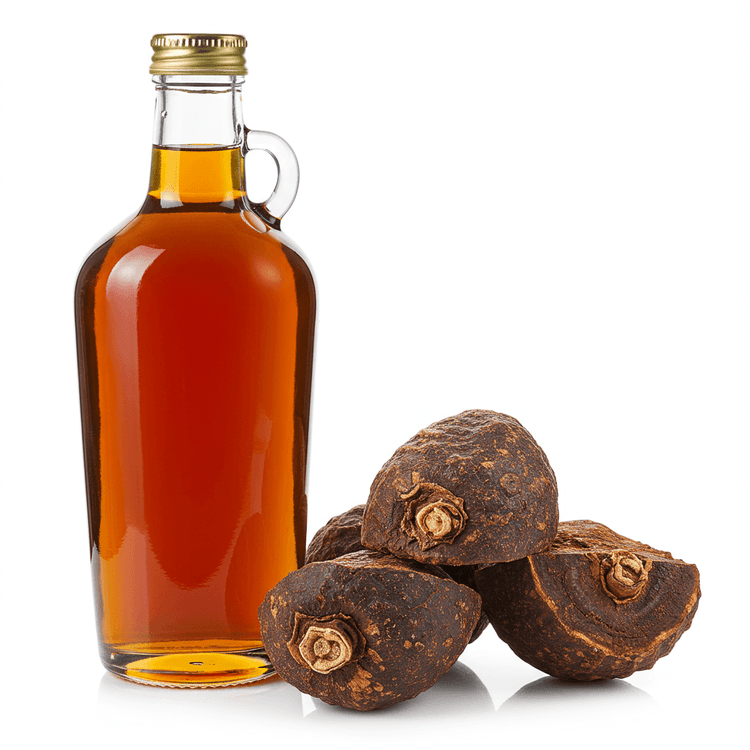
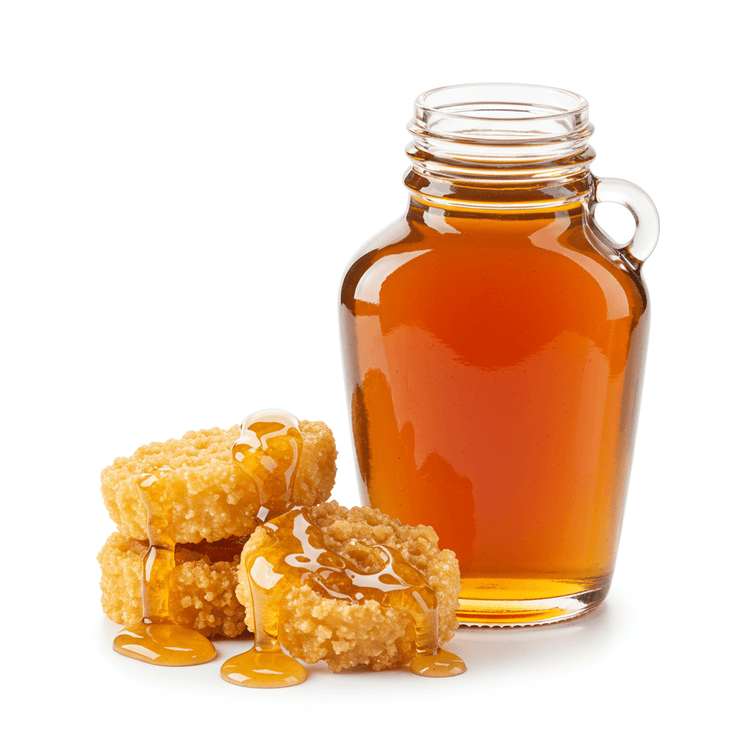
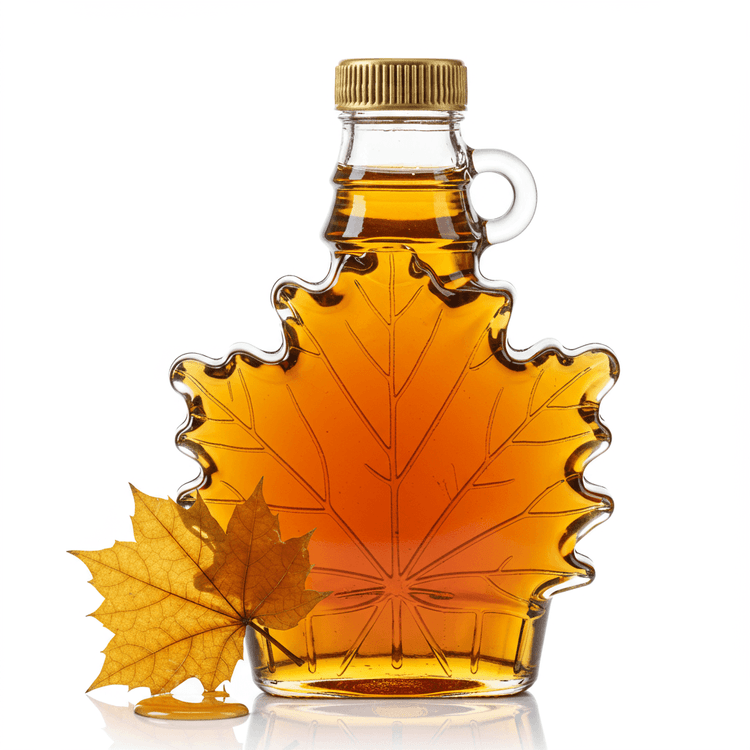
Maple syrup, one of the most popular and nutritious syrups, is naturally derived from the sap of maple trees. It contains trace amounts of minerals like manganese, zinc, and calcium. Manganese is essential for bone health and energy production, while zinc supports immune function. Darker grades of maple syrup generally contain higher concentrations of these minerals and antioxidants. However, it's important to note that the quantities are relatively small and should not be considered a primary source of these nutrients. Molasses, another natural syrup, is a byproduct of sugar refining. It's significantly richer in minerals than many other sweeteners, particularly iron, calcium, potassium, and magnesium. Blackstrap molasses, the least refined form, boasts the highest mineral content. Iron is crucial for carrying oxygen throughout the body, calcium strengthens bones, potassium helps regulate blood pressure, and magnesium supports muscle and nerve function. Again, moderation is key, and molasses should complement, not replace, other nutrient-rich foods.
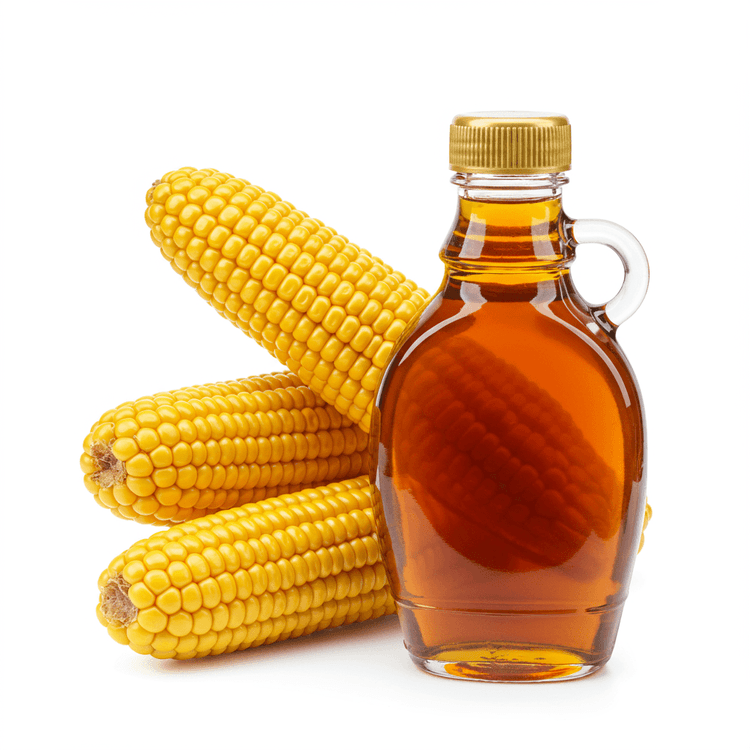
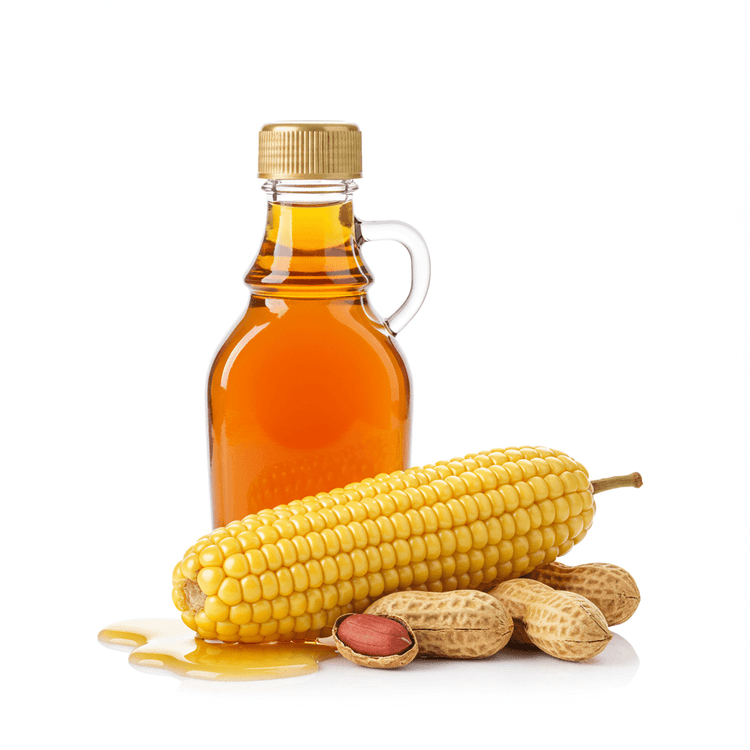
Syrups find their way into countless culinary applications. Maple syrup is a classic topping for pancakes, waffles, and French toast. It also adds a distinctive sweetness to baked goods like muffins, cookies, and cakes. Molasses lends a rich, deep flavor to gingerbread, baked beans, and barbeque sauces. Agave nectar, derived from the agave plant, has a lower glycemic index than some other sweeteners, making it a potentially suitable option for individuals monitoring blood sugar levels, but it is still a concentrated sugar source. Date syrup, made from dates, provides a fruity sweetness and a good source of antioxidants. It can be drizzled over desserts, added to smoothies, or used as a natural sweetener in baked goods. Corn syrup, often found in processed foods, provides little nutritional value and is best consumed sparingly. Choosing natural syrups over heavily processed alternatives allows you to introduce subtle flavors and trace minerals into your meals.
Including natural syrups strategically in your diet can contribute to overall wellness by providing a more nuanced flavor profile and some beneficial minerals. However, it is crucial to remember that syrups are still concentrated sources of sugar. Excessive sugar intake, regardless of the source, can lead to weight gain, insulin resistance, and other health problems. Therefore, moderation is essential. Opting for natural syrups with minimal processing and added ingredients allows you to enjoy their unique flavors and potential health benefits without compromising your overall dietary balance. Consider them as a complement to a diet rich in whole, unprocessed foods, rather than a staple. Be mindful of portion sizes and choose recipes that incorporate natural syrups in a way that enhances flavor without adding excessive sweetness. By making informed choices, you can savor the sweetness of syrups responsibly and integrate them into a healthy and balanced lifestyle. ||
Syrup are an essential part of a healthy diet, providing a wide range of nutrients and health benefits. Explore our collection of syrup ingredients.