Salt, seemingly simple, is a cornerstone of both human health and culinary artistry. While often demonized in discussions about hypertension, salt, specifically sodium chloride, plays a vital role in numerous bodily functions. It's crucial to understand the nuances of salt's role to appreciate its importance in a balanced diet.
At its core, salt is essential for maintaining fluid balance, nerve transmission, and muscle function. Sodium, one of its primary components, is a key electrolyte. Electrolytes like sodium, potassium, and chloride work together to regulate the amount of water in our cells and the spaces between them. This delicate balance is critical for everything from proper hydration to efficient kidney function. Furthermore, sodium is vital for transmitting nerve impulses, allowing our brains to communicate with the rest of our bodies. Muscle contraction, including the beating of our heart, also relies on sodium.
Beyond its physiological functions, salt is indispensable in the kitchen. It's a flavor enhancer, bringing out the natural tastes of food. Salt controls the chemical reactions that make foods flavorful, from the sweetness of a tomato to the savoriness of meat. It also acts as a preservative, inhibiting the growth of bacteria and extending the shelf life of various foods. Think about preserved lemons, pickles, or cured meats; salt is the key ingredient allowing these delights.
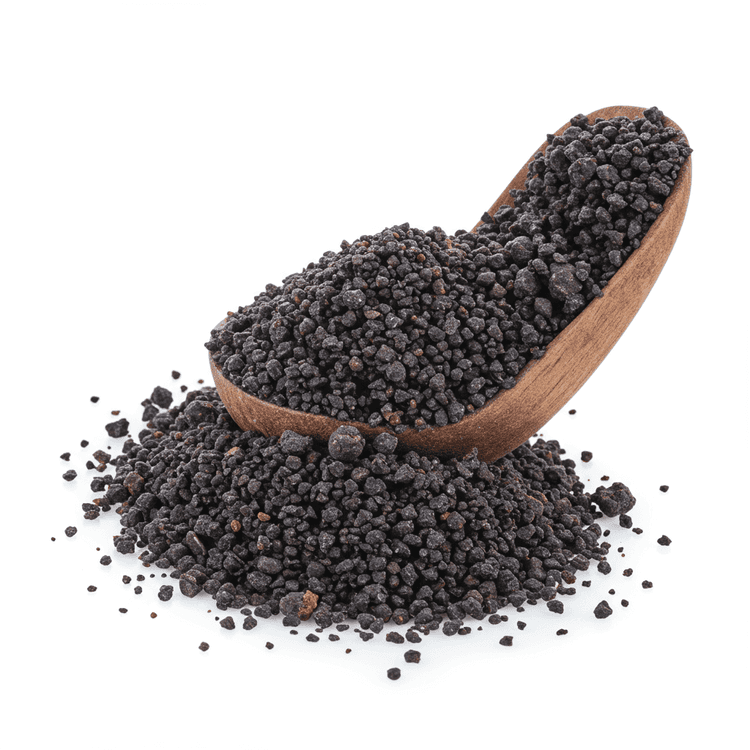
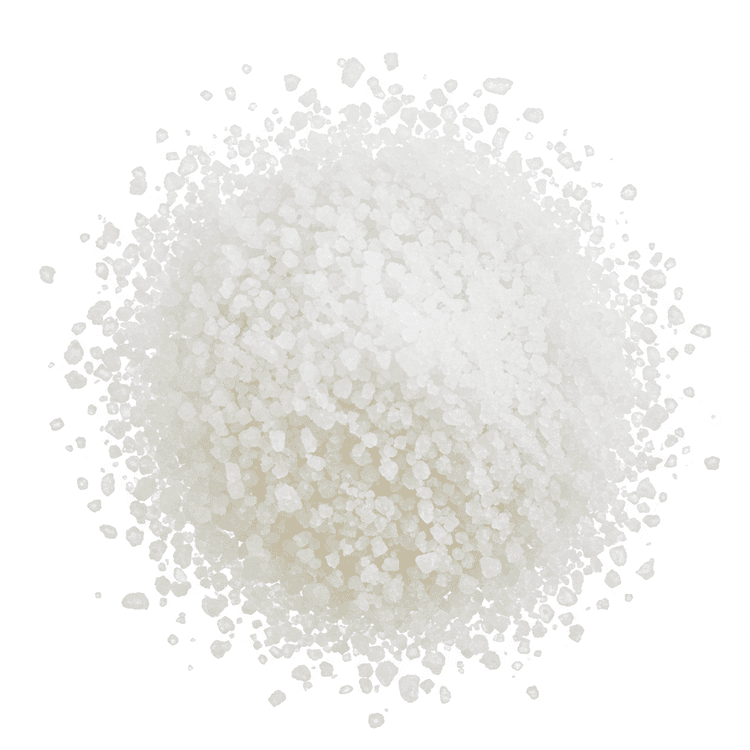
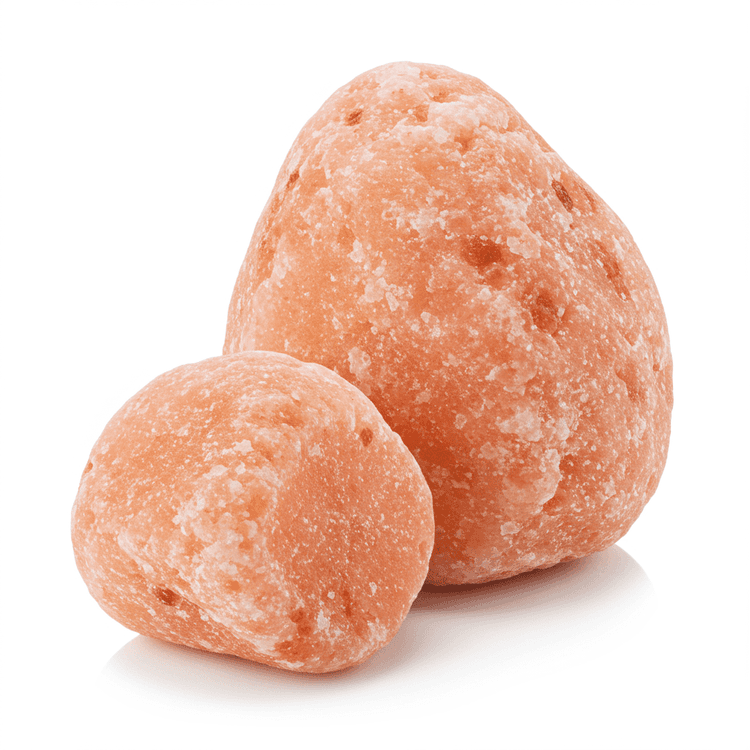
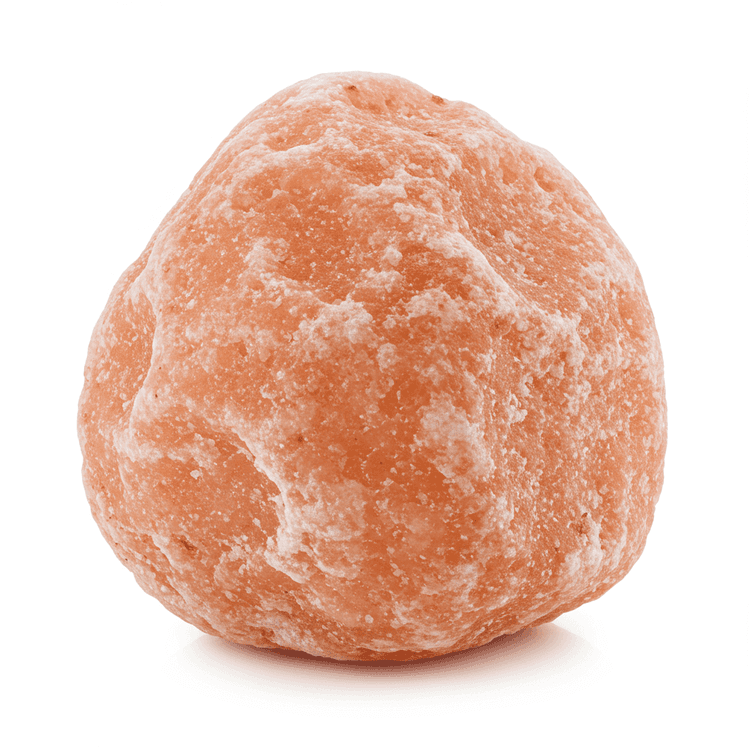
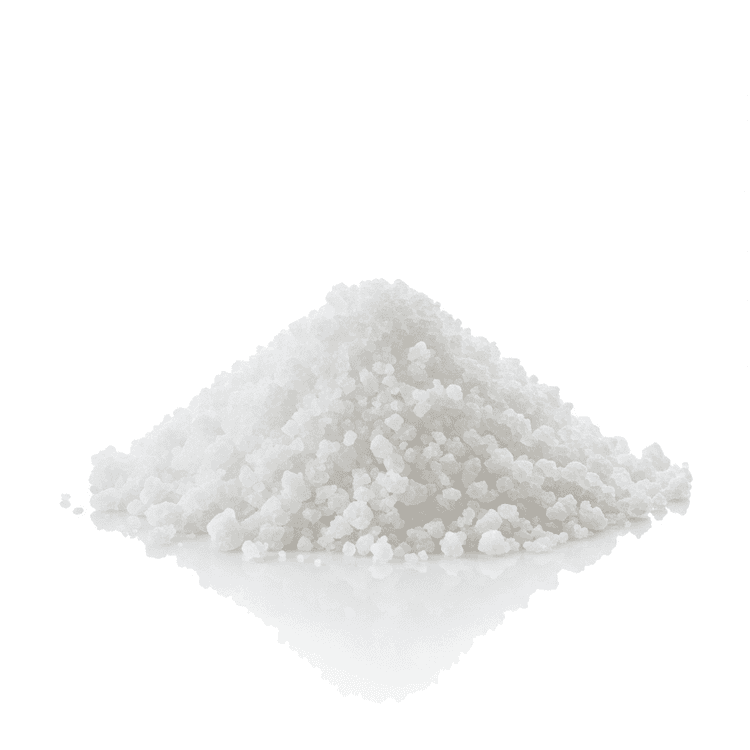
In cooking, salt is used in countless ways. It's sprinkled on grilled vegetables to bring out their sweetness, added to soups and stews to deepen their flavor, and used in baking to control yeast activity and strengthen gluten. From simple dishes like salted boiled potatoes to elaborate creations like salt-crusted fish, the possibilities are endless. Different types of salt, such as sea salt, kosher salt, Himalayan pink salt, and table salt, each offer distinct textures and flavor profiles, adding another layer of complexity to culinary applications. Kosher salt is favored for its larger grains, which allow for easier salting, while sea salt adds a subtle briny flavour to dishes.
Moderation is key when it comes to salt consumption. Excessive sodium intake is linked to high blood pressure and increased risk of cardiovascular disease. However, severely restricting salt intake can also be detrimental, leading to electrolyte imbalances and other health problems. The Dietary Guidelines for Americans recommend limiting sodium intake to less than 2,300 milligrams per day for most adults. Reading nutrition labels, choosing low-sodium options, and using herbs and spices to enhance flavor can help manage sodium intake effectively.
For a balanced diet, focus on incorporating whole, unprocessed foods. These naturally contain lower levels of sodium compared to processed foods. When cooking, add salt gradually and taste as you go, allowing you to control the overall sodium content of your meals. By understanding the role of salt in both health and cooking, you can make informed choices that support your well-being and enhance your enjoyment of food. Remember to consult with a healthcare professional or registered dietitian for personalized dietary advice regarding salt intake. ||
Salt are an essential part of a healthy diet, providing a wide range of nutrients and health benefits. Explore our collection of salt ingredients.