Preserves, in their simplest form, are fruits and vegetables transformed into shelf-stable delights. More than just a way to extend the harvest season, preserves offer a unique combination of flavor, convenience, and even some health benefits, making them a valuable addition to a balanced diet. Whether you're a seasoned canner or just discovering the joys of homemade jams and pickles, understanding the nutritional profile and culinary applications of preserves can enhance your cooking and eating experience.
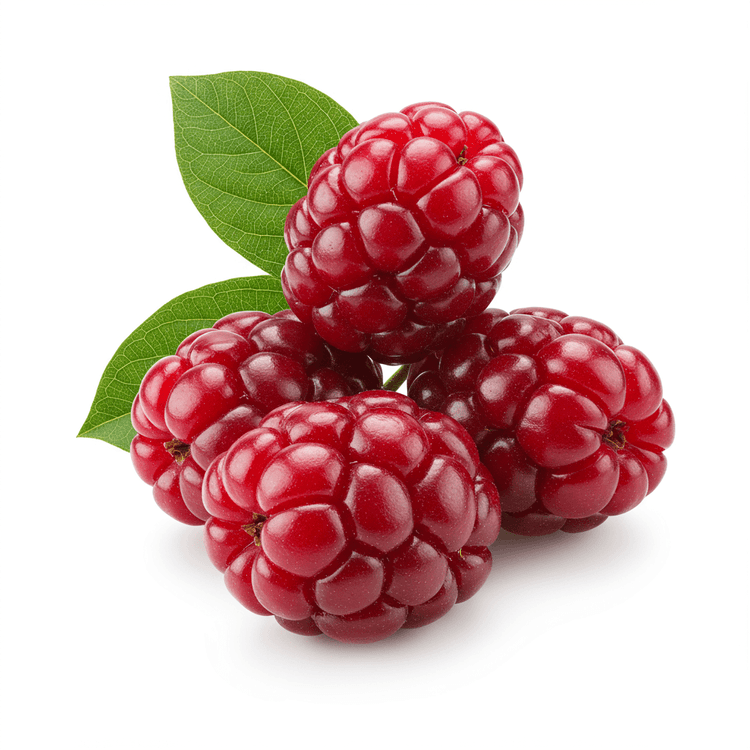
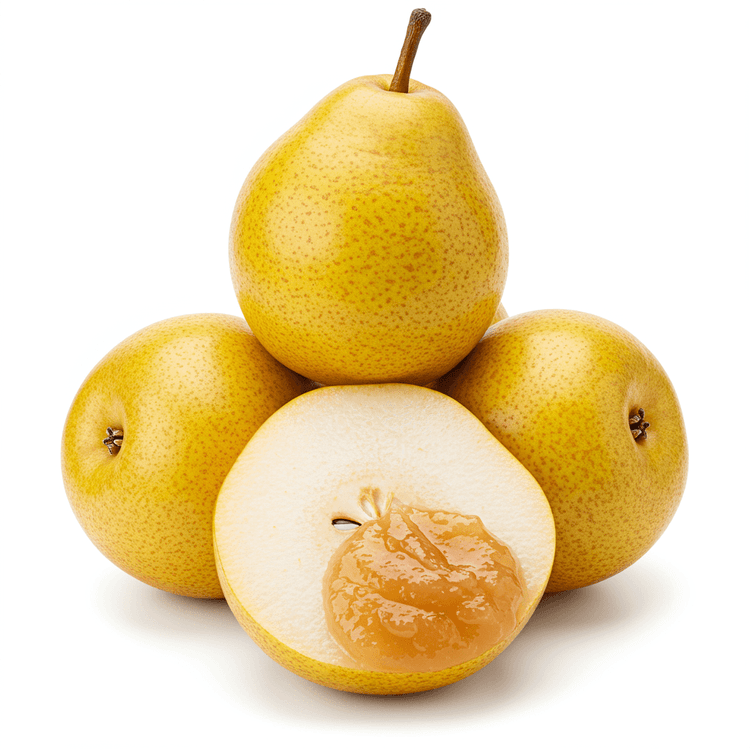
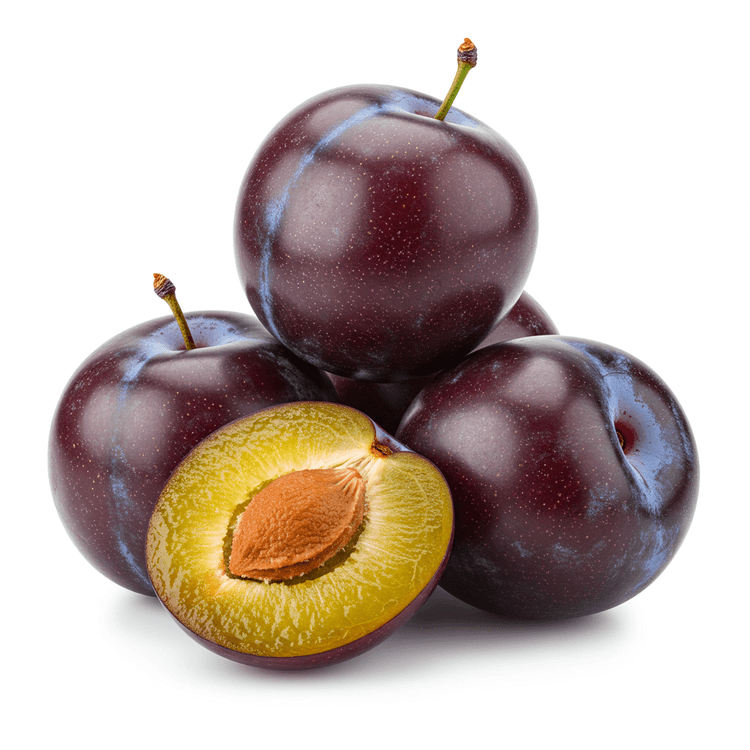
While the processing of fruits and vegetables into preserves can affect certain nutrients, many preserves retain significant amounts of vitamins and antioxidants. For example, fruit preserves, especially those made with berries, can be a source of vitamin C and antioxidants like anthocyanins, which are known for their potential to combat inflammation and protect cells from damage. Vegetable preserves, such as pickled cucumbers or fermented sauerkraut, can be rich in probiotics, beneficial bacteria that support gut health and improve digestion. The exact nutritional content will depend on the specific ingredients, preparation methods (e.g., sugar content, vinegar type), and storage conditions. It's also important to note that homemade preserves often have an advantage in retaining nutrients compared to commercially produced options, as they typically contain fewer additives and undergo less processing.
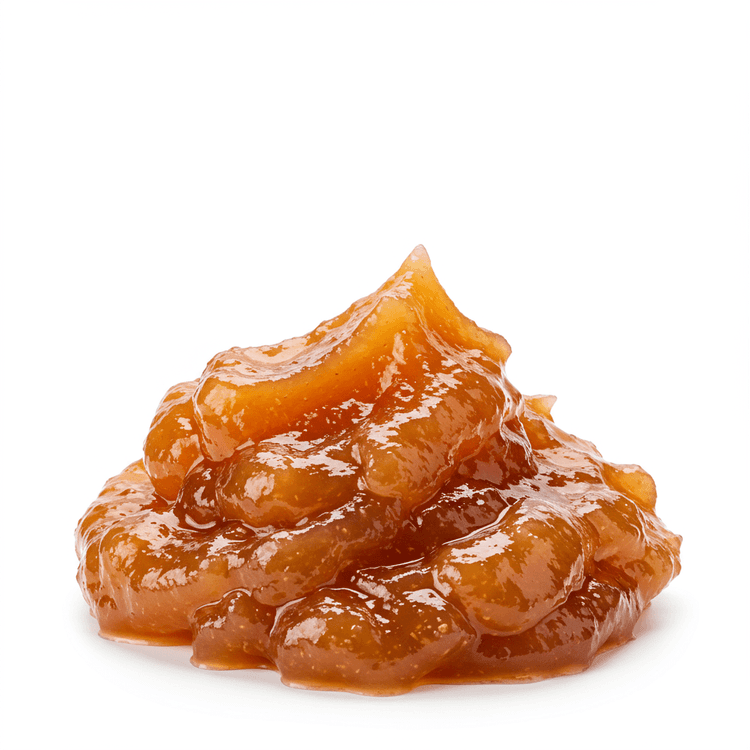
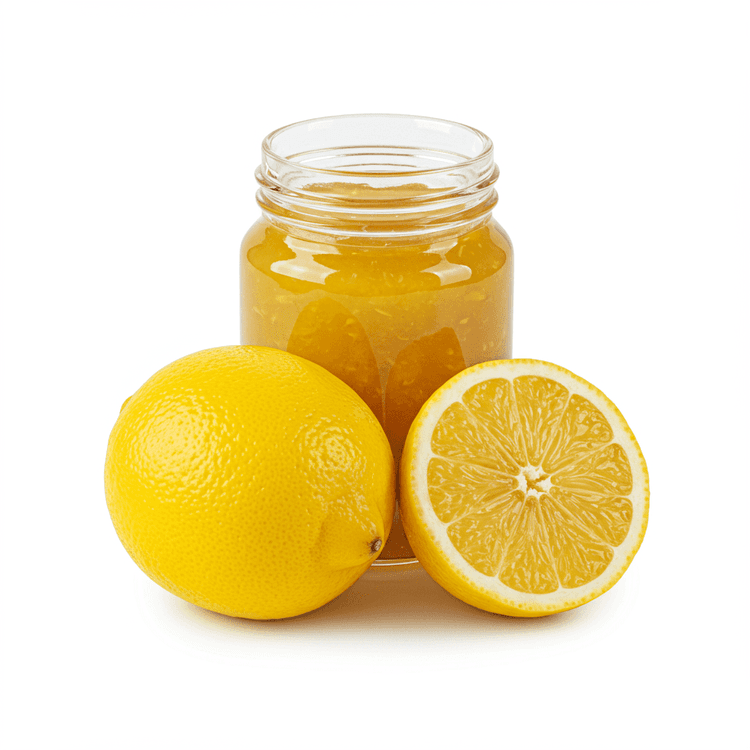
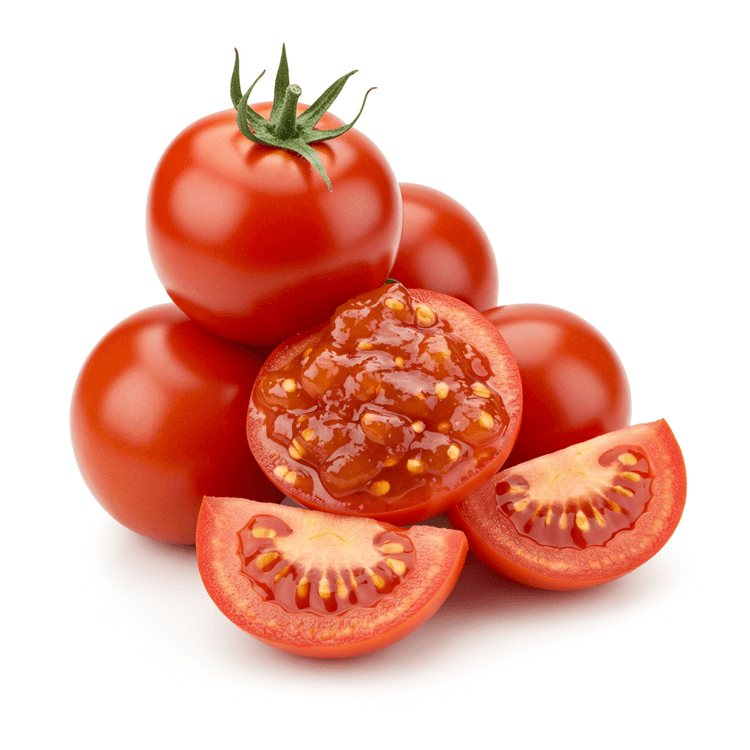
From sweet jams and jellies to savory pickles and chutneys, preserves boast a remarkable versatility in the kitchen. Fruit preserves are classic additions to breakfast tables, perfect for spreading on toast, scones, or waffles. They also elevate desserts, serving as fillings for cakes, tarts, and pastries. Savory preserves like pickled vegetables and chutneys add a tangy or spicy counterpoint to grilled meats, cheeses, and sandwiches. Think of a tangy onion jam accompanying a perfectly grilled steak, or a spicy mango chutney brightening up a cheese board. Fermented preserves, like kimchi or sauerkraut, can be incorporated into stir-fries, soups, and salads, adding a complex flavor and probiotic boost. The possibilities are truly endless, allowing for endless culinary creativity and flavor combinations. Traditional methods such as canning, fermenting, and pickling have been used for centuries to preserve food, and each technique offers unique textures and flavors. Modern adaptations have made the process more accessible to home cooks, allowing them to create unique and flavorful preserves tailored to their own tastes.
Preserves play a vital role in a balanced diet by providing a concentrated source of fruits and vegetables, especially during seasons when fresh produce is less available. They offer a convenient and flavorful way to incorporate essential nutrients into your daily meals. The fiber content in some preserves, particularly those made with whole fruits and vegetables, can contribute to digestive health and promote feelings of fullness. While the sugar content in some fruit preserves should be considered, choosing varieties with lower sugar or making your own allows for better control over the ingredients. Furthermore, the unique flavors and textures of preserves can encourage a more diverse and enjoyable eating experience, making it easier to adhere to a healthy and balanced dietary pattern. The fermentation process used in many vegetable preserves adds another layer of nutritional benefits, promoting gut health and overall wellness. In conclusion, incorporating preserves into your diet thoughtfully can contribute to a more flavorful, convenient, and potentially healthier eating experience. By understanding their nutritional value and culinary versatility, you can unlock the full potential of these preserved treasures. ||
Preserve are an essential part of a healthy diet, providing a wide range of nutrients and health benefits. Explore our collection of preserve ingredients.