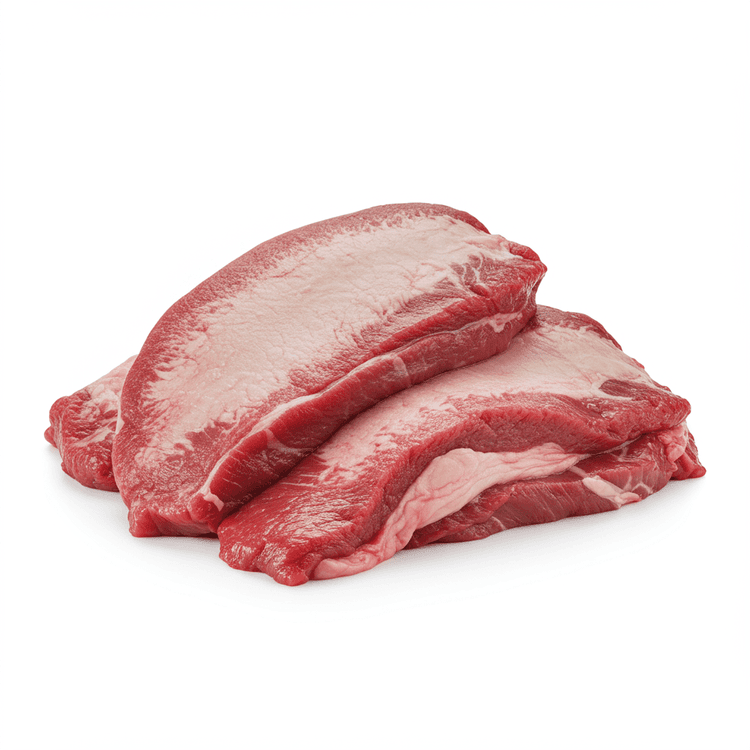
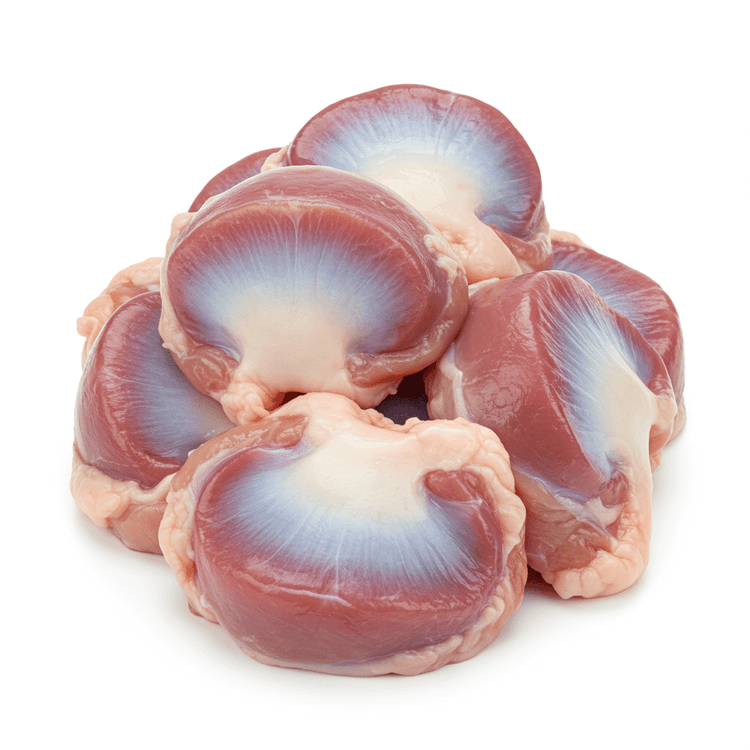
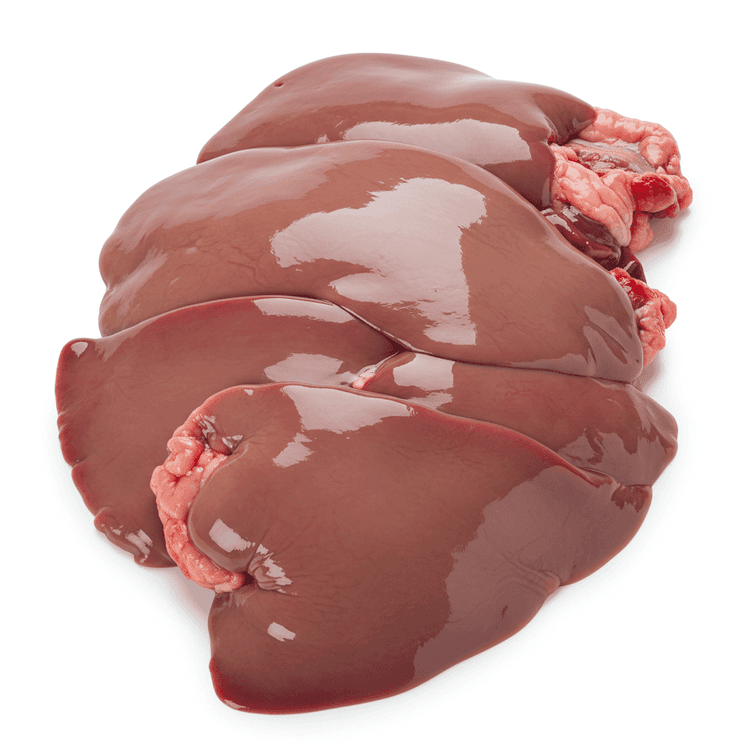
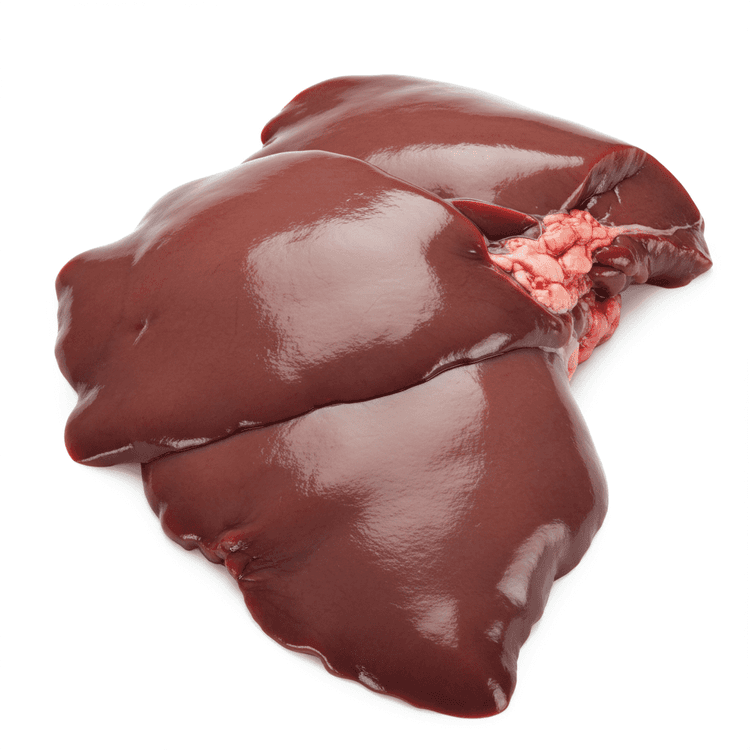
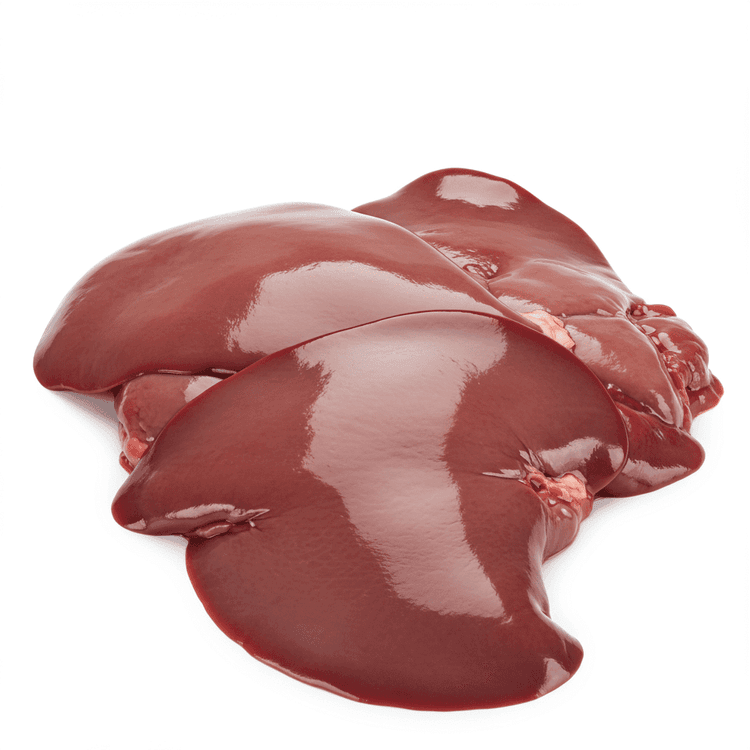
Organ meats, also known as offal, are nutritional powerhouses often overlooked in modern diets. These edible organs, such as liver, kidney, heart, and brain, offer a concentrated source of essential vitamins, minerals, and high-quality protein. For centuries, cultures around the world have revered organ meats for their dense nutrient profiles and potential health benefits.
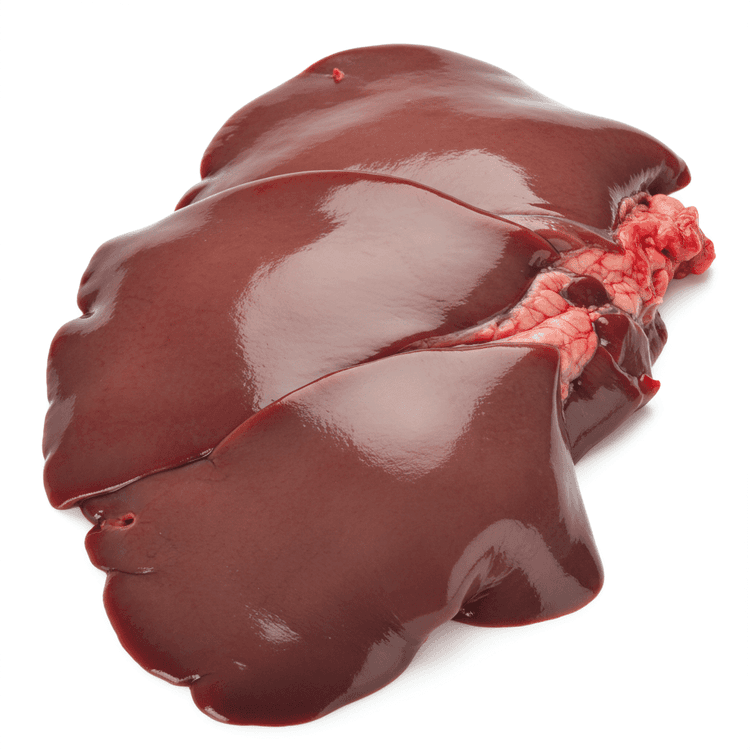
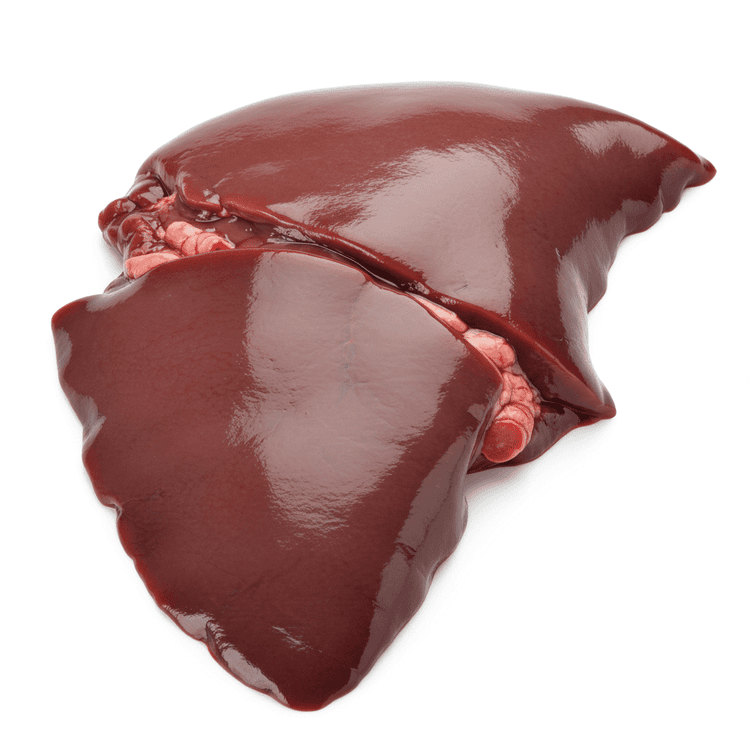
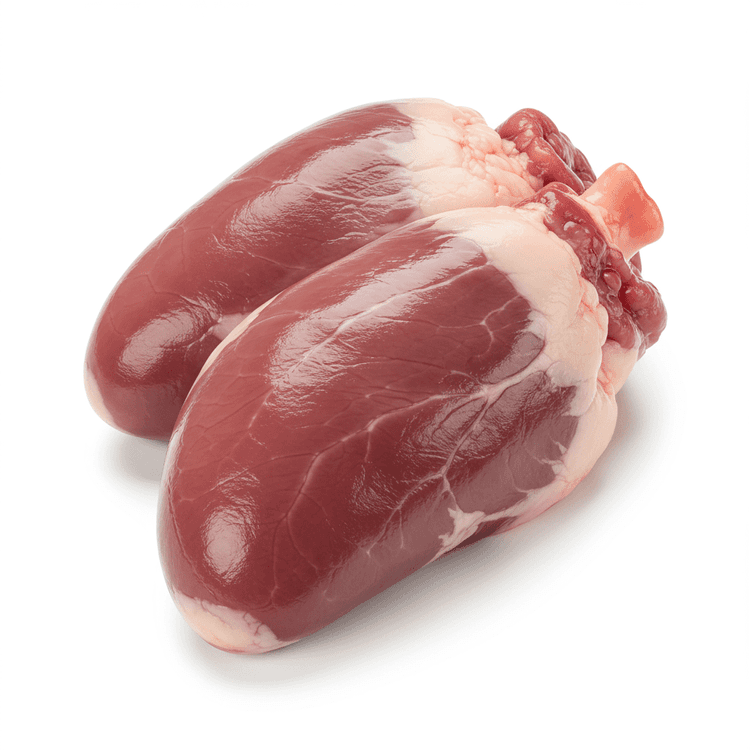
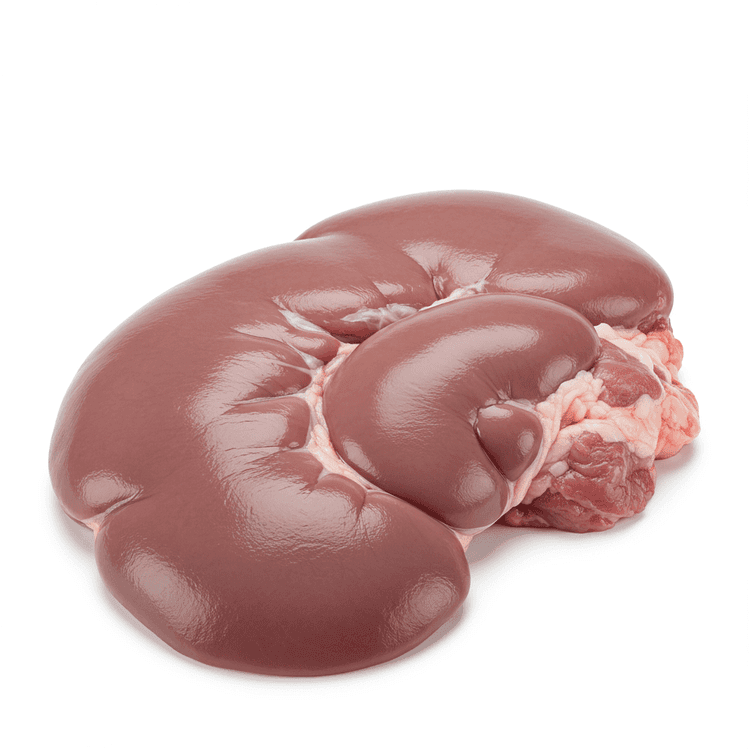
Liver, in particular, stands out as a nutritional superstar. It's exceptionally rich in Vitamin A, crucial for vision, immune function, and cell growth. Liver also boasts high levels of Vitamin B12, essential for nerve function and red blood cell formation. Furthermore, it's an excellent source of iron, vital for oxygen transport throughout the body, and copper, a mineral involved in energy production and iron metabolism. Kidney provides a good source of selenium, which acts as an antioxidant protecting against cell damage, and riboflavin (Vitamin B2) necessary for cellular function, growth, and energy production. Heart is abundant in CoQ10, an antioxidant that supports cardiovascular health, and is a great source of taurine, an amino acid that supports cardiovascular function and electrolyte balance. Brain is very high in Omega-3 fatty acids, vital for brain health and cognitive function. Organ meats are also packed with choline, important for brain development and function.
Culinary uses for organ meats are diverse and span across various cuisines. Liver can be pan-fried, grilled, or used in pâtés and terrines. A classic dish is liver and onions, where the liver's rich flavor pairs well with the sweetness of caramelized onions. Kidney is often used in stews and pies, adding a unique depth of flavor. Heart can be grilled, braised, or ground into burgers. In many cultures, heart is considered a delicacy and is prepared in a variety of flavorful ways. While brain is less common, it is sometimes fried or scrambled with eggs. A popular dish includes tacos de sesos (brain tacos) and fried brain sandwiches.
Including organ meats in your diet can contribute significantly to overall wellness. They are an excellent source of protein, supporting muscle growth and repair. Their high iron content can help prevent iron-deficiency anemia, while the abundance of B vitamins supports energy levels and nerve function. The unique nutritional profile of organ meats can help fill in dietary gaps and provide essential nutrients that may be lacking in modern diets. Organ meats are a cost-effective way to boost nutrient intake and promote optimal health when incorporated as part of a balanced diet. Though they should be consumed in moderation due to high concentrations of Vitamin A and cholesterol, they are a powerful addition to any well-rounded nutrition plan. Remember to source your organ meats from reputable suppliers that prioritize animal welfare and safe processing practices for optimal health benefits. ||
Organ Meat are an essential part of a healthy diet, providing a wide range of nutrients and health benefits. Explore our collection of organ meat ingredients.