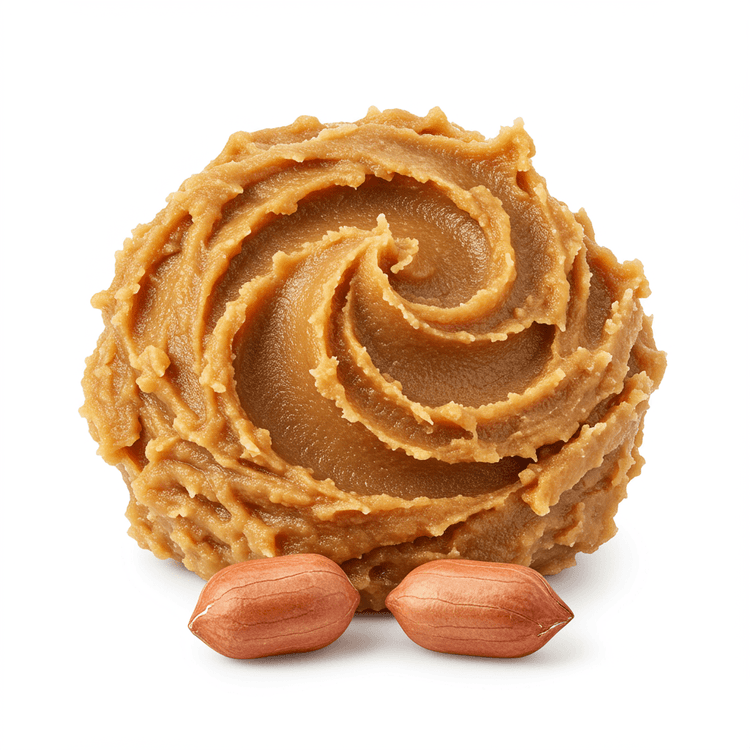
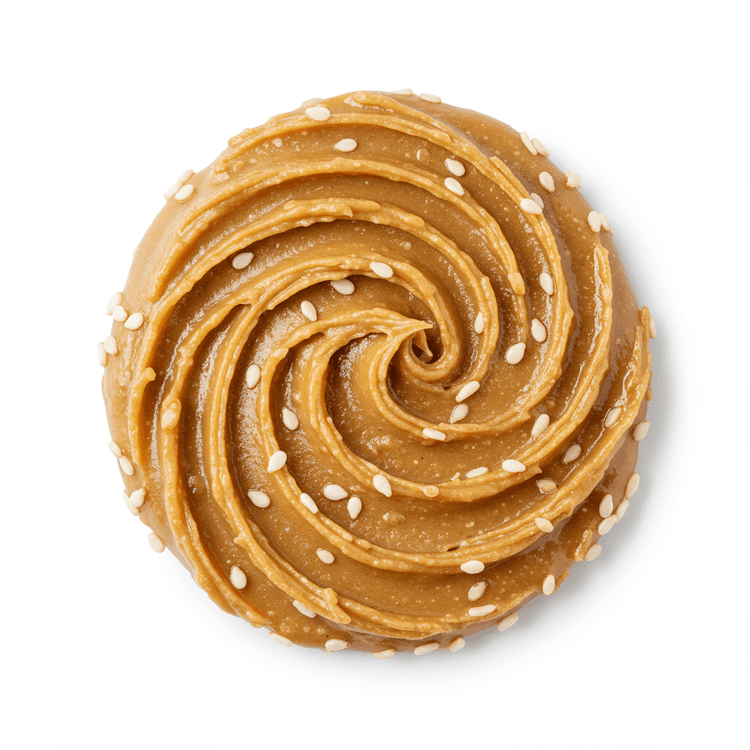
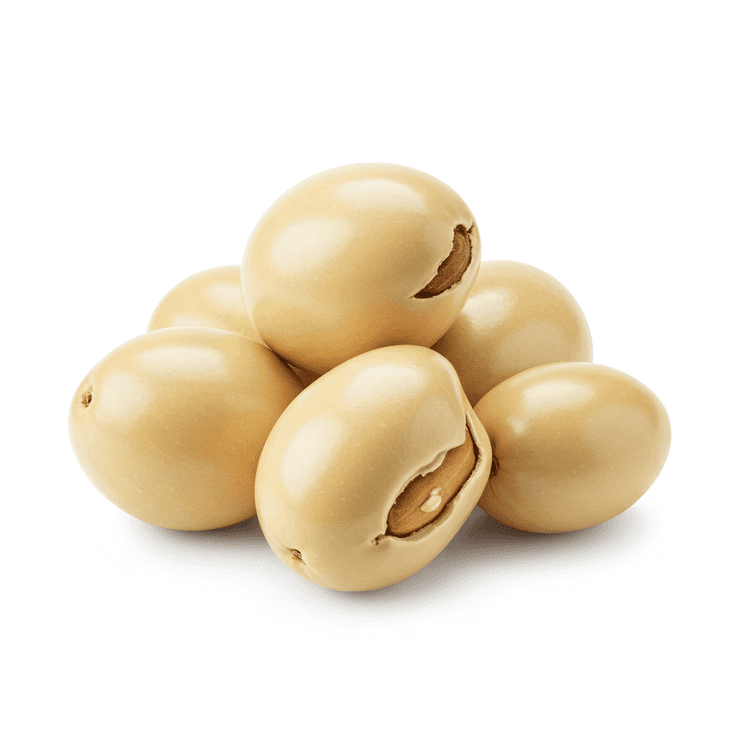
Nut and seed butters, from the familiar peanut butter to the more exotic sunflower seed and almond butters, are nutritional powerhouses packed with goodness for both your health and your taste buds. These creamy spreads are created by grinding nuts or seeds into a smooth paste, resulting in a versatile ingredient suitable for countless culinary creations. Beyond their delicious flavor, nut and seed butters offer a wide range of health benefits that make them a valuable addition to any balanced diet.
One of the primary advantages of nut and seed butters is their high content of healthy fats, primarily monounsaturated and polyunsaturated fats. These fats are essential for heart health, helping to lower bad cholesterol levels and reduce the risk of cardiovascular disease. They also play a crucial role in brain function and hormone production. Furthermore, nut and seed butters are excellent sources of plant-based protein, vital for building and repairing tissues, supporting muscle growth, and promoting satiety. This makes them a particularly good option for vegetarians and vegans looking to increase their protein intake.
Nut and seed butters are also rich in essential vitamins and minerals. They are often excellent sources of vitamin E, a powerful antioxidant that protects cells from damage and supports immune function. Magnesium, crucial for bone health, nerve function, and blood sugar control, is also abundant. Depending on the specific nut or seed, you'll also find varying levels of iron, calcium, potassium, and zinc. For example, tahini (sesame seed butter) is an exceptional source of calcium. Some varieties are also fortified with nutrients like vitamin D, further enhancing their nutritional profile.
In the kitchen, nut and seed butters are incredibly versatile. Peanut butter is a classic choice for sandwiches, snacks, and baking. Almond butter adds a delicious nutty flavor to smoothies, oatmeal, and baked goods. Sunflower seed butter is a great allergy-friendly alternative to peanut butter, perfect for children's lunches and snacks. Tahini is a key ingredient in hummus, baba ghanoush, and numerous Middle Eastern dishes. You can use these butters to make sauces, dips, dressings, and even thicken soups. Their creamy texture and rich flavor make them a valuable addition to both sweet and savory recipes.
The inclusion of nut and seed butters in a balanced diet contributes significantly to overall wellness. The healthy fats, protein, and fiber contribute to feelings of fullness, which can aid in weight management. The sustained energy release from the fats and protein helps to prevent energy crashes and maintain stable blood sugar levels. The antioxidant properties of vitamin E and other compounds in nut and seed butters may help protect against chronic diseases. Choosing unsweetened varieties and being mindful of portion sizes allows you to enjoy the benefits of nut and seed butters without unnecessary added sugars or calories. Incorporate these delicious and nutritious spreads into your daily meals and snacks to enjoy their numerous health benefits and enhance your culinary creations. ||
Nut & Seed Butter are an essential part of a healthy diet, providing a wide range of nutrients and health benefits. Explore our collection of nut & seed butter ingredients.