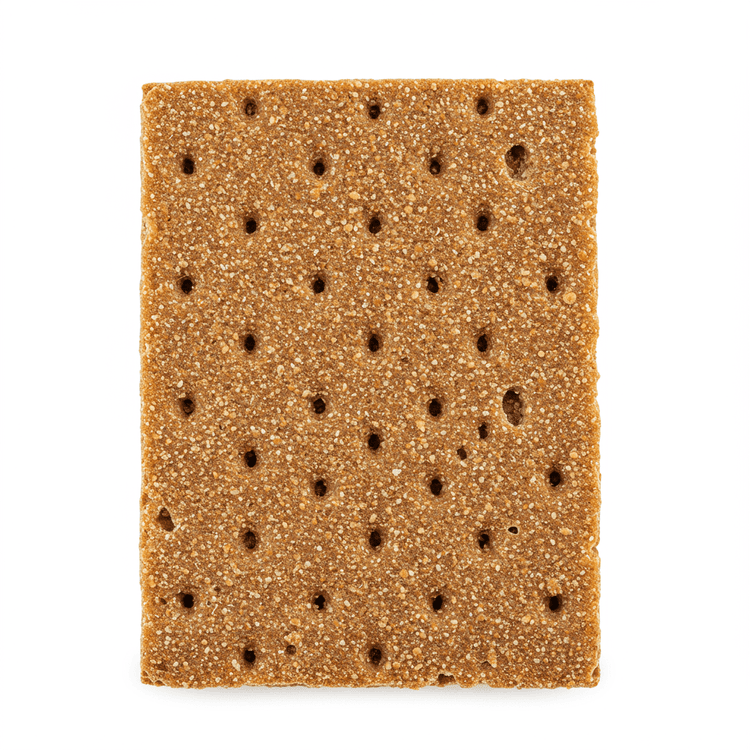
Grains, the foundation of countless cuisines around the world, are more than just a staple food; they are nutritional powerhouses offering a wealth of health benefits and culinary versatility. From the hearty simplicity of oats to the delicate fluffiness of quinoa, understanding the diverse world of grains is key to building a balanced and nourishing diet.
Grains are broadly classified into whole grains and refined grains. Whole grains retain all three parts of the kernel – the bran, germ, and endosperm – providing a complete package of nutrients. Refined grains, on the other hand, have had the bran and germ removed, resulting in a finer texture but also a significant loss of fiber and micronutrients. Choosing whole grains whenever possible is crucial for maximizing their health benefits.
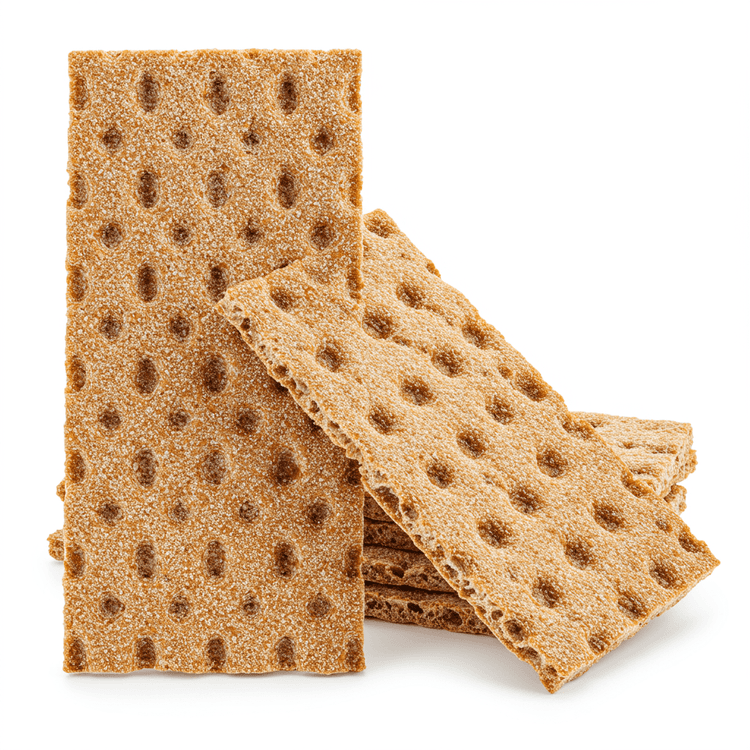
One of the most significant advantages of whole grains is their high fiber content. Fiber promotes healthy digestion, prevents constipation, and helps regulate blood sugar levels. This is particularly important for individuals with diabetes or those at risk of developing the condition. Moreover, fiber contributes to feelings of fullness, which can aid in weight management and prevent overeating. Think about adding whole wheat bread, brown rice, or barley to your meals for a boost of dietary fiber.
Grains are also excellent sources of essential vitamins and minerals. Many whole grains are rich in B vitamins, which play a vital role in energy metabolism and nerve function. Iron, magnesium, and selenium are other key minerals found in grains that contribute to overall health and well-being. Quinoa, for example, stands out as a complete protein source, containing all nine essential amino acids, making it an excellent choice for vegetarians and vegans. Other grains like brown rice and oats offer valuable amounts of manganese, crucial for bone health and antioxidant defense.
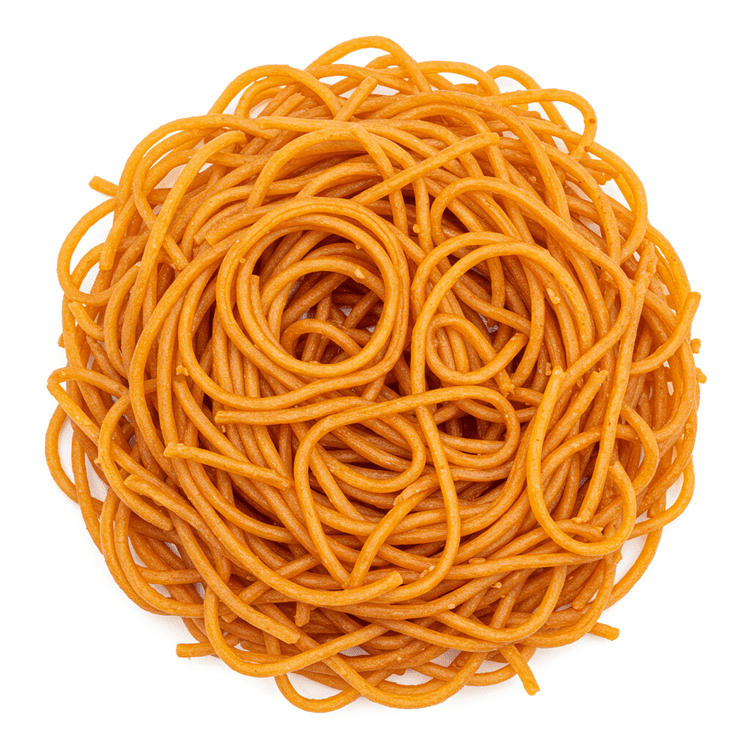
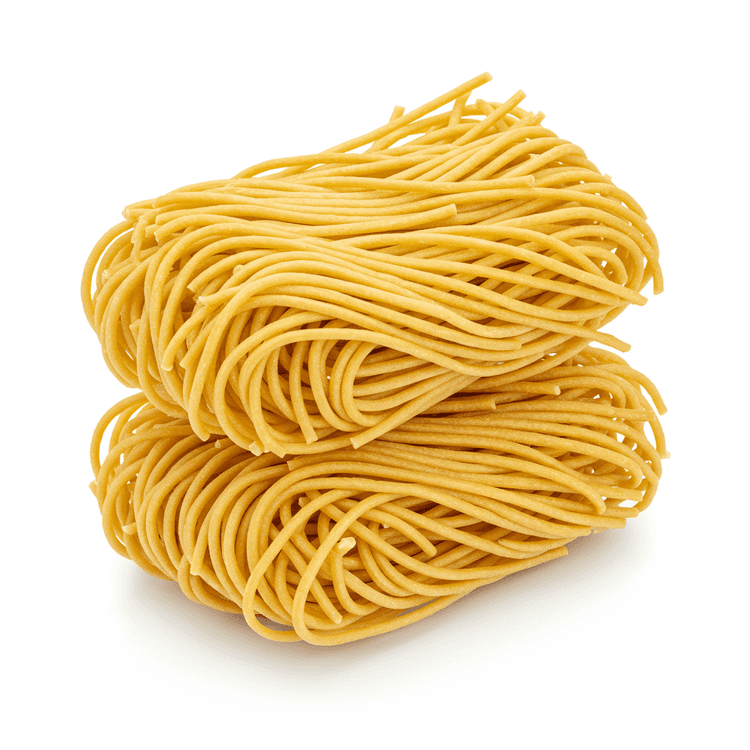
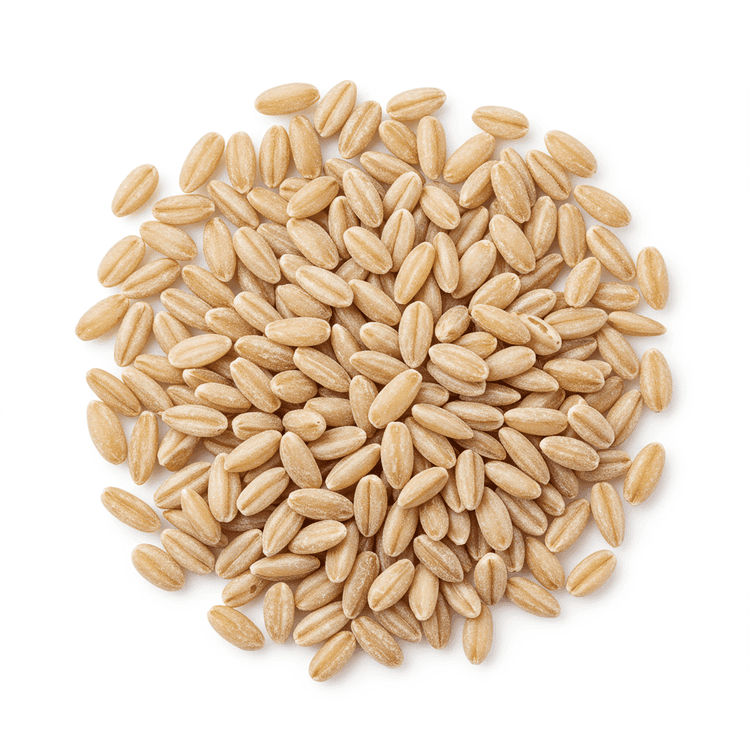
Culinary applications of grains are incredibly diverse. Rice, in its many forms, is a cornerstone of Asian cuisine, forming the base for dishes like sushi, stir-fries, and rice bowls. Wheat is the foundation of breads, pastas, and pastries, providing endless possibilities for baking and cooking. Oats are a popular choice for breakfast, whether enjoyed as oatmeal, granola, or incorporated into baked goods. Corn, another versatile grain, can be enjoyed on the cob, in tortillas, or as polenta. Explore different types of grains to add texture and flavor to your meals. Consider using barley in soups and stews, farro in salads, or millet as a side dish.
Incorporating grains into a balanced diet is essential for overall wellness. Their complex carbohydrates provide a sustained release of energy, unlike the rapid spikes and crashes associated with refined sugars. This sustained energy keeps you feeling fuller longer and provides the fuel needed to power your daily activities. Furthermore, the antioxidants found in certain grains help protect your cells from damage caused by free radicals, potentially reducing the risk of chronic diseases. The nutritional diversity of grains means they can contribute to various aspects of health, from cardiovascular function to cognitive performance.
In conclusion, grains, especially whole grains, are invaluable components of a healthy and balanced diet. Their rich nutrient profile, including fiber, vitamins, minerals, and antioxidants, offers a wide range of health benefits. From supporting digestive health to providing sustained energy and protecting against chronic diseases, grains deserve a prominent place in your meals. Embrace the versatility of grains in the kitchen and discover the endless possibilities they offer for creating delicious and nourishing dishes. Choose whole grains over refined grains whenever possible to maximize their nutritional advantages, and enjoy the delicious and healthful rewards. ||
Grains are an essential part of a healthy diet, providing a wide range of nutrients and health benefits. Explore our collection of grains ingredients.