Fiber: The Unsung Hero of Your Plate
Fiber, often the unsung hero of our diets, is so much more than just a digestive aid. It's a crucial component for overall health and well-being, impacting everything from gut health to weight management and beyond. This complex carbohydrate, found primarily in plant-based foods like fruits, vegetables, whole grains, and legumes, plays a pivotal role in maintaining a balanced and thriving body.
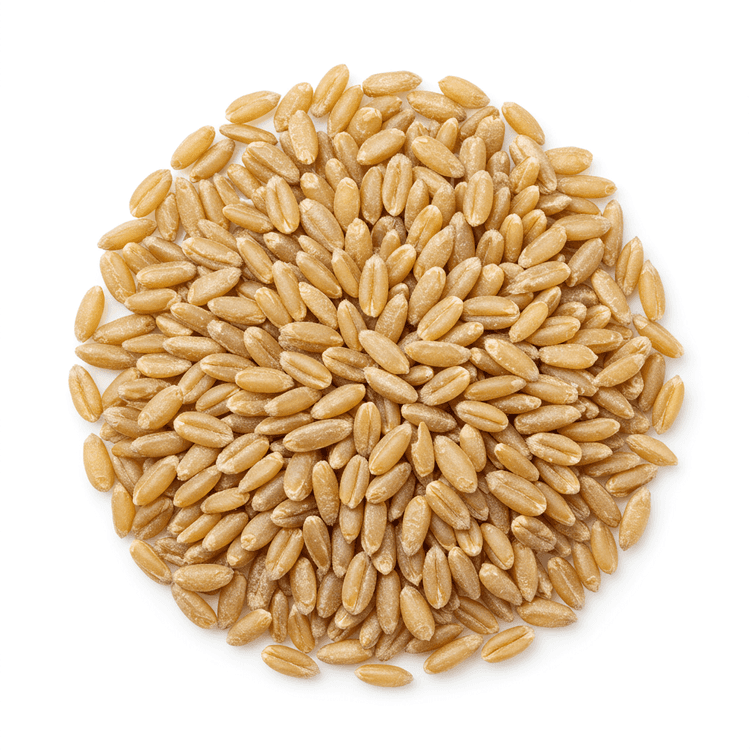
Think of fiber as nature's broom, sweeping through your digestive system. Its primary function is to add bulk to your stool, making it easier to pass and preventing constipation. But its benefits extend far beyond regularity. Soluble fiber, found in foods like oats, apples, and beans, dissolves in water to form a gel-like substance. This gel slows down digestion, leading to a feeling of fullness and helping to regulate blood sugar levels. This is especially beneficial for individuals managing diabetes or pre-diabetes, as it prevents drastic spikes and dips in blood glucose. Insoluble fiber, abundant in whole wheat, bran, and vegetables, doesn't dissolve in water but adds bulk to the stool, promoting efficient waste removal and preventing digestive issues like diverticulitis. Both soluble and insoluble fiber contribute to a healthy gut microbiome, feeding beneficial bacteria and fostering a thriving ecosystem that supports immunity and overall health.
From a culinary perspective, fiber-rich foods are incredibly versatile. Whole grains like quinoa, brown rice, and oats form the foundation of hearty meals. Fruits and vegetables, naturally packed with fiber, add vibrant colors, textures, and flavors to salads, smoothies, and side dishes. Legumes, such as lentils, beans, and chickpeas, are powerhouses of both fiber and protein, making them ideal for vegetarian and vegan dishes. Popular dishes featuring fiber-rich ingredients include lentil soup, oatmeal with berries and nuts, whole-wheat pasta with vegetables, and black bean burgers. Roasting vegetables, like broccoli, Brussels sprouts, and sweet potatoes, enhances their natural sweetness and fiber content, making them a delicious and healthy addition to any meal. Adding fiber to your diet doesn't have to be a chore; it can be a delicious and exciting culinary adventure.
Why is fiber so important for a balanced diet? Beyond its digestive benefits, fiber contributes to cardiovascular health by helping to lower cholesterol levels. Soluble fiber binds to cholesterol in the digestive tract, preventing its absorption into the bloodstream. Studies have also linked high-fiber diets to a reduced risk of heart disease, stroke, and type 2 diabetes. Furthermore, fiber plays a role in weight management. Its ability to promote satiety helps control appetite and prevent overeating, making it a valuable tool for maintaining a healthy weight. Its impact on blood sugar control also helps reduce cravings and prevent energy crashes. Finally, the prebiotic effects of fiber, feeding the beneficial bacteria in your gut, contribute to a stronger immune system and improved overall well-being. Fiber isn't just a nutrient; it's a cornerstone of a healthy and balanced lifestyle. Aim to include a variety of fiber-rich foods in your daily diet to reap the numerous health benefits this often-overlooked nutrient has to offer.
Incorporate fiber-rich options into every meal. Start your day with a bowl of oatmeal topped with fruit and nuts. Add beans or lentils to your soups and salads. Choose whole grains over refined grains whenever possible. Snack on fruits and vegetables with hummus or guacamole. By making small, consistent changes, you can significantly increase your fiber intake and unlock the numerous health benefits it provides.
||
Fiber are an essential part of a healthy diet, providing a wide range of nutrients and health benefits. Explore our collection of fiber ingredients.