Dairy-free living has moved far beyond a trend; it's a lifestyle choice embraced by many seeking improved digestion, clearer skin, and enhanced overall well-being. But what exactly does 'dairy-free' entail, and how can you enjoy a balanced and delicious diet without relying on traditional milk, cheese, and yogurt? This guide explores the vibrant world of dairy-free alternatives, offering insights into their nutritional benefits, culinary applications, and importance for a healthy lifestyle.
One of the primary reasons people opt for a dairy-free diet is lactose intolerance, a common condition where the body struggles to digest lactose, the sugar found in milk. Switching to dairy-free options can alleviate bloating, gas, and digestive discomfort. Beyond lactose intolerance, some individuals experience inflammation or allergic reactions to dairy proteins like casein and whey. A dairy-free diet can help reduce inflammation throughout the body and improve skin conditions like eczema and acne.
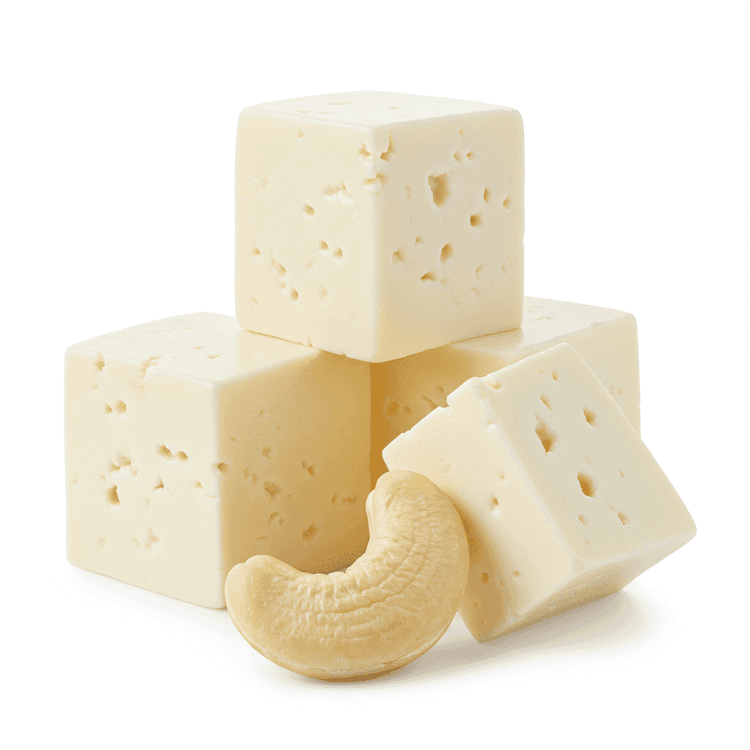
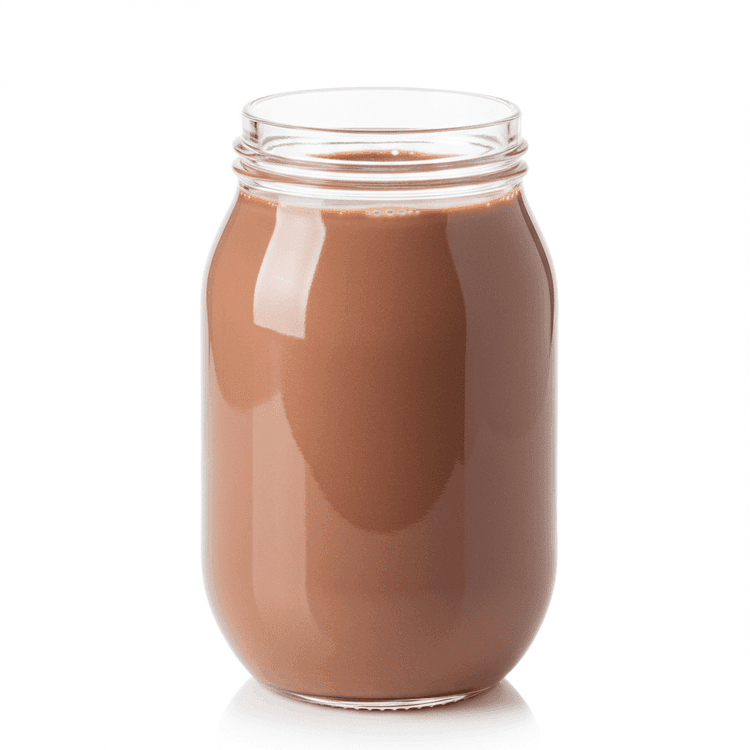
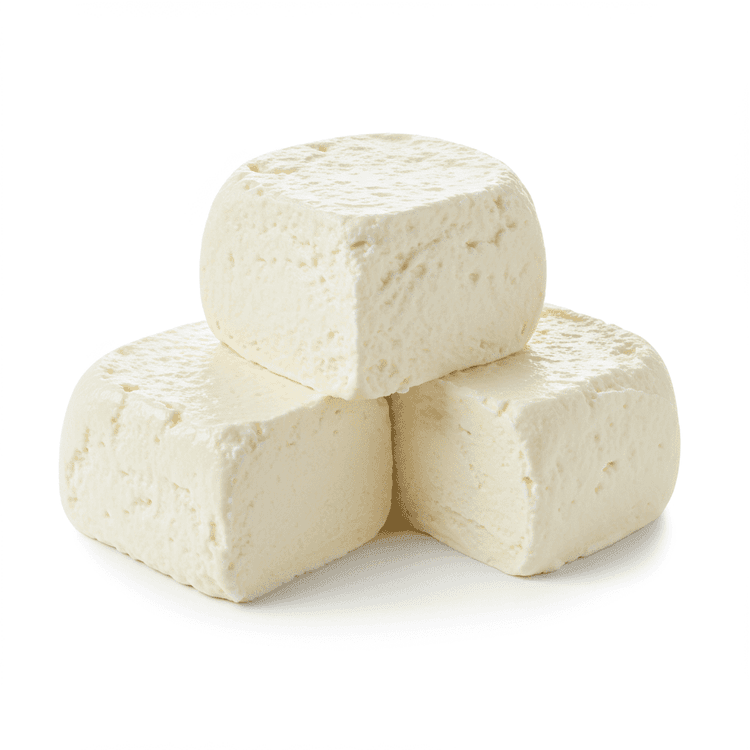
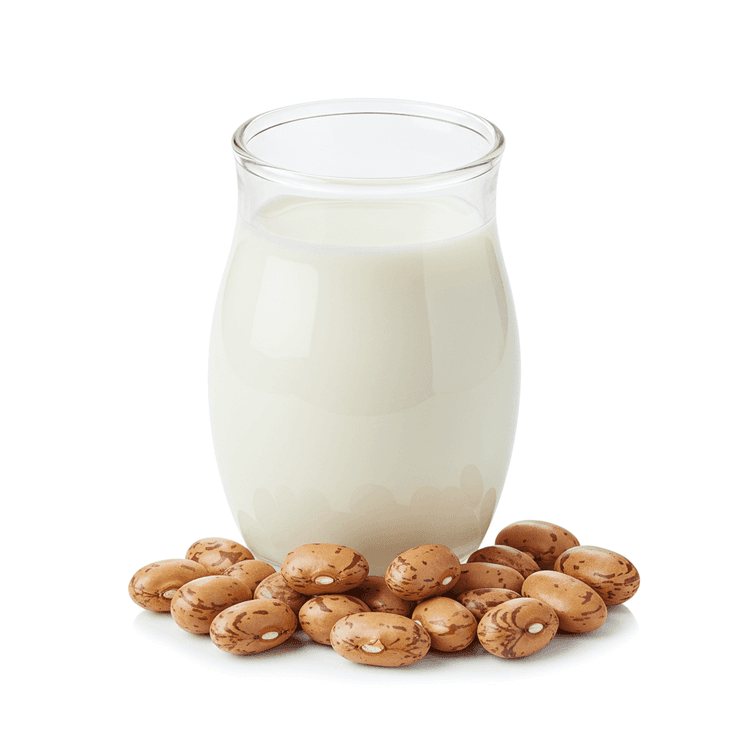
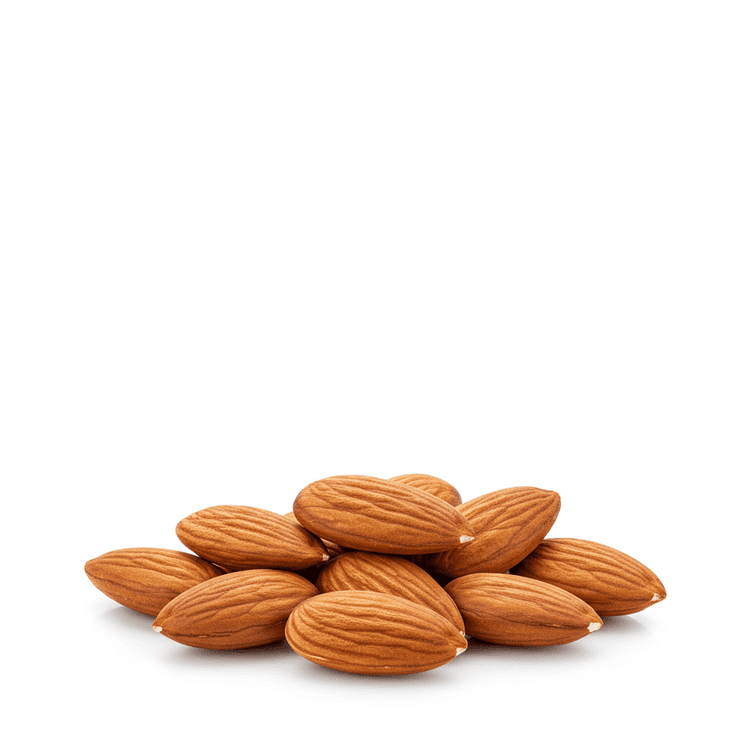
The good news is that the dairy-free market has exploded with incredible alternatives. Plant-based milks, derived from almonds, soy, oats, coconuts, and cashews, offer creamy textures and diverse flavors perfect for coffee, smoothies, and baking. Fortified versions of these milks often contain added calcium, vitamin D, and vitamin B12, mirroring the nutritional profile of cow's milk. Dairy-free yogurts, made from coconut milk, almond milk, or soy milk, are a delicious way to enjoy probiotics for gut health. And let's not forget the exciting world of dairy-free cheeses! From cashew-based mozzarella to coconut-based cheddar, these cheeses offer a surprisingly authentic taste and melt beautifully in pizzas, sandwiches, and pasta dishes.
Culinary uses for dairy-free alternatives are virtually limitless. Use almond milk in your morning oatmeal, add coconut cream to curries for richness, or blend cashew cream into pasta sauces for a creamy, decadent flavor. Dairy-free butter substitutes, made from plant-based oils, work flawlessly in baking and cooking, providing the same flavor and texture as traditional butter. Experiment with dairy-free ice creams made from coconut milk or oat milk for a refreshing and guilt-free dessert. Popular dishes like lasagna, mac and cheese, and even creamy soups can be easily adapted to be dairy-free without sacrificing flavor or texture. Many cuisines, especially Asian and vegan-focused traditions, naturally incorporate dairy-free ingredients, offering a wealth of inspiration.
A dairy-free diet, when well-planned, can be incredibly beneficial for overall health. It often leads to a reduction in saturated fat intake and an increase in fiber consumption, especially when focusing on whole, plant-based dairy-free alternatives. Many dairy-free products are also rich in antioxidants and phytonutrients, further contributing to health and wellness. By carefully selecting dairy-free options and ensuring adequate intake of essential nutrients like calcium and vitamin D (often through fortification or supplementation), you can enjoy all the benefits of a balanced diet while avoiding dairy. Embrace the abundance of plant-based options and discover the delicious possibilities of dairy-free living for a healthier, happier you. ||
Dairy-Free are an essential part of a healthy diet, providing a wide range of nutrients and health benefits. Explore our collection of dairy-free ingredients.