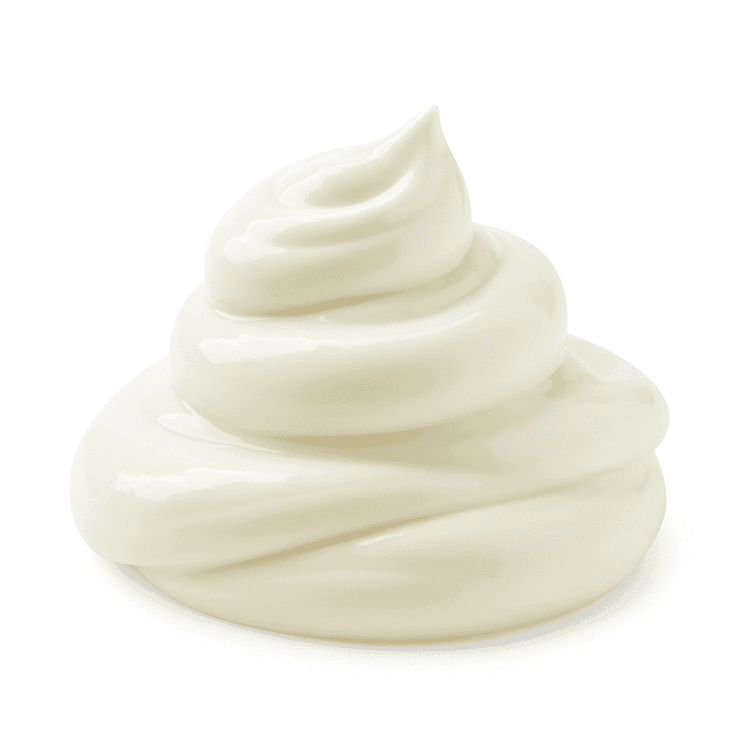
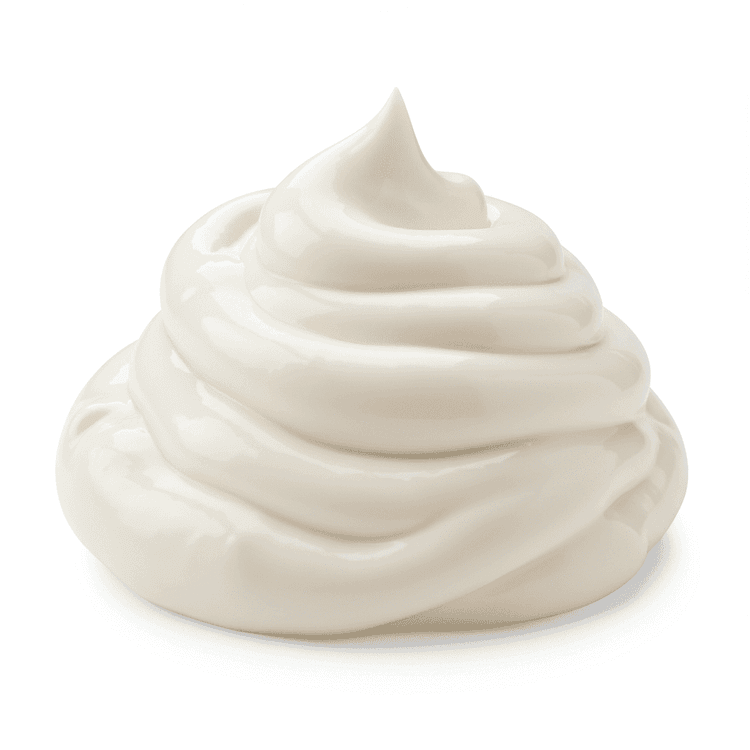
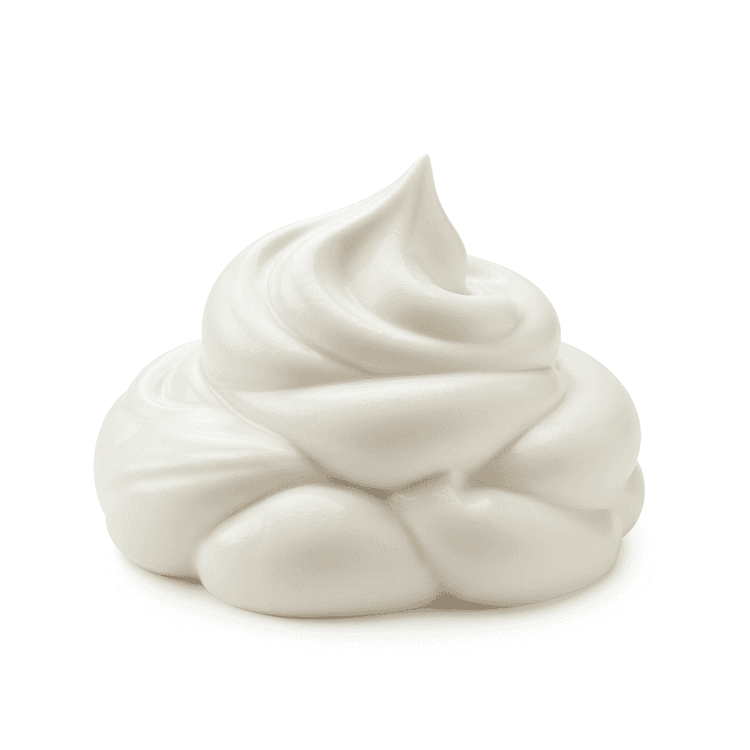
Cream, that luscious dairy delight, adds richness and flavor to countless dishes. But beyond its culinary appeal, cream offers a complex nutritional profile that, when consumed in moderation, can contribute to a balanced diet. Let's explore the benefits, uses, and nutritional considerations surrounding this versatile ingredient.
From a nutritional standpoint, cream is primarily composed of fat, predominantly saturated fat. While often demonized, saturated fat plays a role in hormone production and cell structure. However, it's crucial to balance saturated fat intake with unsaturated fats from sources like olive oil and avocados. Cream also provides fat-soluble vitamins like A, D, E, and K. Vitamin A is essential for vision and immune function, while Vitamin D aids in calcium absorption and bone health. Vitamin E acts as an antioxidant, protecting cells from damage, and Vitamin K is crucial for blood clotting.
Cream's culinary applications are vast and varied. It is the cornerstone of many classic sauces, such as Alfredo, Béchamel, and Crème Fraîche. Its rich texture enhances soups, stews, and casseroles. In baking, cream contributes moisture and tenderness to cakes, cookies, and pastries. From whipped cream topping desserts to adding a velvety smoothness to coffee, cream elevates everyday dishes to gourmet experiences. Think of the decadent indulgence of a chocolate ganache, the comforting warmth of a creamy tomato soup, or the perfect swirl atop a freshly baked pie – cream is the essential ingredient that brings these delights to life. Different types of cream – heavy cream, light cream, half-and-half – offer varying levels of fat content, allowing for customization based on desired richness and caloric considerations. Knowing the fat content impacts how the cream performs in different recipes; for example, heavy cream whips beautifully due to its high fat content, while light cream may curdle if boiled.
While not a primary source of vitamins or minerals compared to other food groups like fruits and vegetables, cream contributes to satiety and can enhance the absorption of fat-soluble nutrients from other foods consumed alongside it. The fat content of cream helps the body absorb Vitamins A, D, E, and K more effectively. However, due to its high calorie and saturated fat content, moderation is key. Choosing lower-fat cream options or using cream sparingly can help balance the health benefits and potential drawbacks. It is also important to consider individual dietary needs and health conditions. Those with high cholesterol or heart disease should consult with a healthcare professional or registered dietitian to determine appropriate cream consumption levels. When incorporated thoughtfully into a balanced diet and used in moderation, cream can be enjoyed as a delicious and enriching culinary component, enhancing both flavor and nutrient absorption. ||
Cream are an essential part of a healthy diet, providing a wide range of nutrients and health benefits. Explore our collection of cream ingredients.