Asian ingredients encompass a vast and vibrant world of flavors, textures, and health benefits, playing a pivotal role in the diverse cuisines of East, Southeast, and South Asia. From the umami-rich depths of soy sauce and miso to the fiery kick of chili peppers and ginger, these ingredients offer a spectrum of tastes that elevate dishes and contribute to overall well-being. This category isn't just about exotic flavors; it's a gateway to incorporating powerful nutrients into your everyday meals.
Many Asian ingredients are packed with essential vitamins and minerals. Seaweed, for example, is a fantastic source of iodine, vital for thyroid function, and contains vitamins A, C, and B12. Fermented foods like kimchi and natto are brimming with probiotics, beneficial bacteria that support gut health and boost immunity. Tofu, a staple in many Asian cuisines, is a complete protein source, providing all nine essential amino acids, as well as iron and calcium. Ginger and turmeric, renowned for their anti-inflammatory properties, are potent sources of antioxidants that combat free radicals and protect against chronic diseases. Mushrooms, especially varieties like shiitake and maitake, are rich in beta-glucans, which can enhance the immune system.
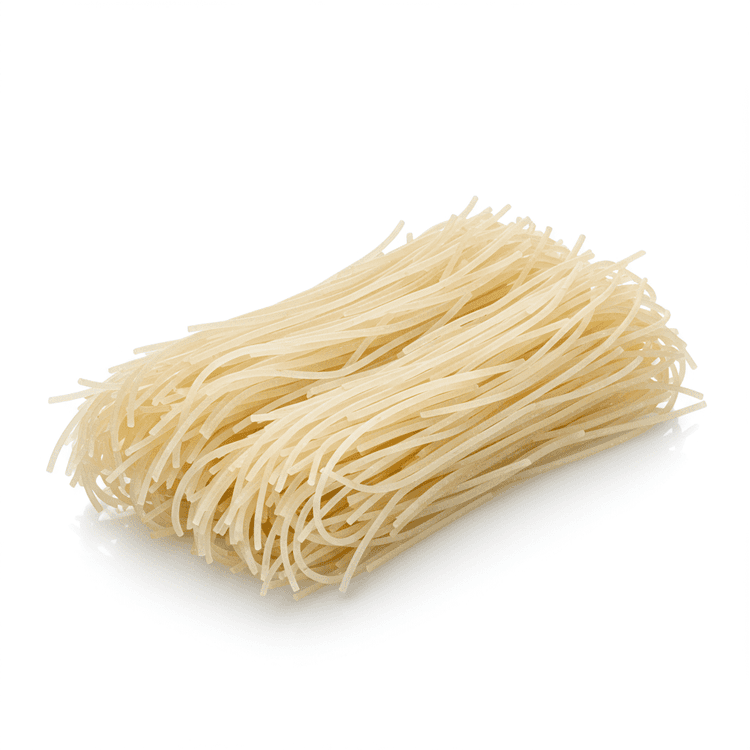
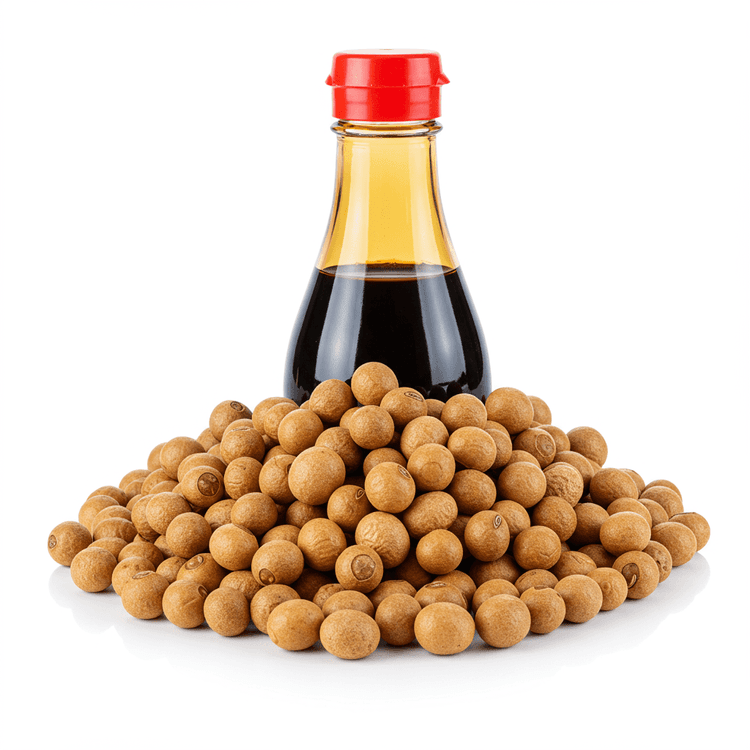
Culinary uses of Asian ingredients are incredibly diverse. Soy sauce, a fermented soybean product, is a cornerstone of Asian cooking, adding depth and savory notes to stir-fries, marinades, and sauces. Rice noodles, available in various widths and textures, form the base of countless dishes, from Pad Thai to pho. Coconut milk lends richness and creaminess to curries and desserts. Popular dishes featuring Asian ingredients include Japanese ramen, Korean bibimbap, Vietnamese spring rolls, and Thai green curry. Common cooking methods involve stir-frying, steaming, simmering in broths, and deep-frying, each technique bringing out unique qualities in the ingredients.
The importance of Asian ingredients for a balanced diet and overall wellness extends beyond their delicious flavors. Many of these ingredients are naturally low in fat and calories while being high in fiber, vitamins, and minerals. The emphasis on fresh vegetables, lean proteins like fish and tofu, and the mindful use of spices contributes to a healthier eating pattern. The fermentation process, prevalent in many Asian culinary traditions, not only enhances flavor but also increases the bioavailability of nutrients and supports gut health. Furthermore, the focus on mindful eating and appreciating the textures and aromas of food promotes a more conscious and enjoyable dining experience. Integrating Asian ingredients into your cooking repertoire can add exciting flavors and powerful nutrients to your diet, contributing to a more balanced and vibrant lifestyle. From antioxidant-rich matcha to potassium-packed bananas in Southeast Asian desserts, these ingredients offer a unique array of health-promoting compounds that can significantly enhance your well-being. ||
Asian Ingredient are an essential part of a healthy diet, providing a wide range of nutrients and health benefits. Explore our collection of asian ingredient ingredients.