We use cookies on this website to ensure its proper functioning and to improve the quality of our services. Cookie Policy
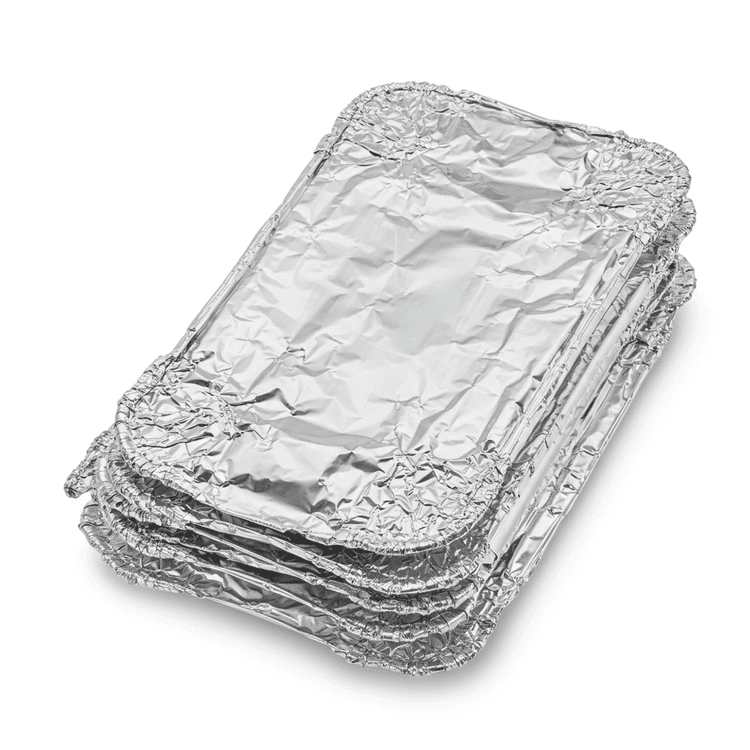
Aluminum foil, also known as tin foil (though no longer made with tin), is a thin, shiny sheet of aluminum. It's prized in the kitchen for its versatility and heat conductivity. Aluminum foil is odorless and tasteless, making it ideal for wrapping food without affecting its flavor. Its flexible texture allows it to easily mold to different shapes, making it a staple for cooking, baking, and food storage. This lightweight, durable kitchen essential reflects heat, making it a useful tool for preventing burning and ensuring even cooking. Its silvery appearance easily identifies it as a reliable kitchen tool for a wide variety of applications.
Currently, there are no known health benefits associated with aluminum foil. It is primarily used in cooking and food storage, not consumed as part of a diet. Overconsumption of aluminum is linked to Alzheimer's disease and other medical conditions.
Save recipes from anywhere, and get answers, swaps, and help as you cook.
Aluminum foil does not require special storage conditions. It should be kept in a cool, dry place away from moisture and extreme temperatures to prevent damage to the roll or box. Store in a drawer or pantry to protect it from dust and debris.


Available now for early access users.