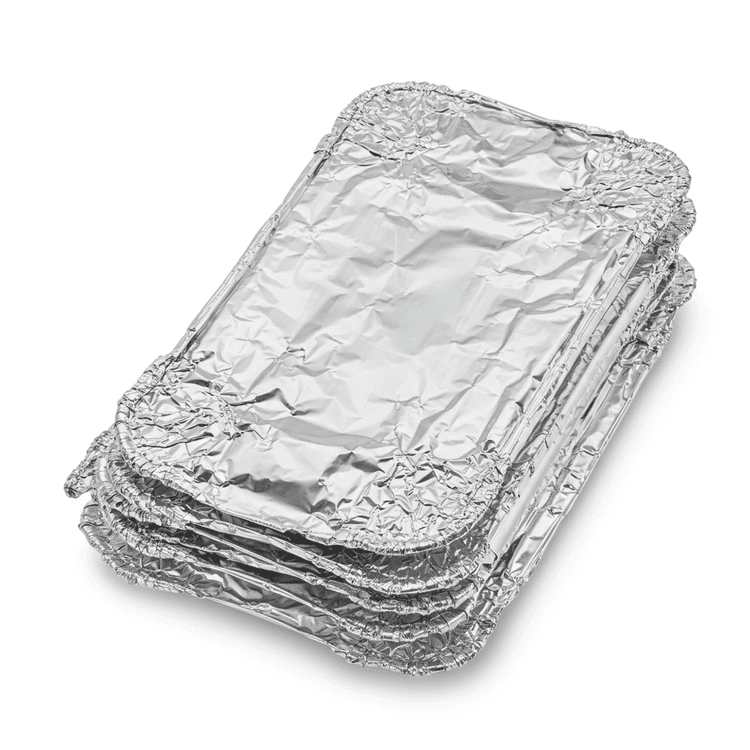
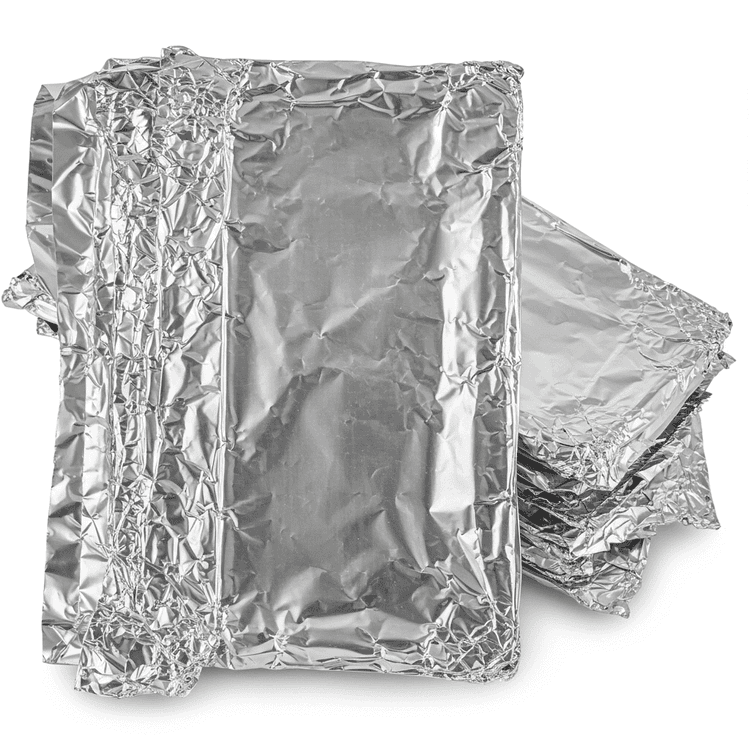
Packaging material, often overlooked, plays a vital role in ensuring food safety, extending shelf life, and minimizing waste. While it doesn't directly contribute nutrients like vitamins or minerals, the quality and type of packaging significantly impact the nutritional integrity of the food it protects. Proper packaging safeguards food from spoilage, contamination, and degradation, preserving its vitamins, antioxidants, and essential fatty acids. Poor packaging, conversely, can lead to nutrient loss and potential health risks due to bacterial growth or chemical migration.
The health implications of packaging materials extend beyond simply preventing spoilage. The selection of materials impacts the environment, contributing to or mitigating pollution. Sustainable packaging choices, such as biodegradable or recyclable options, are crucial for promoting environmental health, which indirectly benefits human health by reducing exposure to toxins and supporting a healthier ecosystem. The move towards eco-friendly packaging is crucial for overall well-being.
While not a culinary ingredient, packaging is integral to how we access and prepare food. From airtight containers that preserve the freshness of herbs and spices to freezer-safe bags that prevent freezer burn on fruits and vegetables, packaging influences the final flavor and nutritional value of our meals. Consider vacuum-sealed meats and cheeses, which prevent oxidation and maintain quality, or the specialized pouches used for sous vide cooking, ensuring even cooking and maximum nutrient retention.
Furthermore, innovative packaging solutions contribute to convenience and portion control. Single-serving containers promote mindful eating and help prevent overconsumption, while resealable bags keep ingredients fresh for longer, reducing food waste. Modified atmosphere packaging (MAP) extends the shelf life of produce without compromising its nutritional content, ensuring access to fresh, healthy foods throughout the year.
In essence, packaging materials are unsung heroes in the world of nutrition. They act as guardians, protecting the quality and safety of our food supply. By understanding the impact of different packaging options – from glass and metal to plastics and biodegradable alternatives – we can make informed choices that support both our health and the health of the planet. Choosing packaging wisely supports a balanced diet by ensuring the nutrients we intend to consume are preserved throughout the supply chain, contributing to overall wellness by minimizing waste and exposure to harmful substances. Always prioritize food stored in appropriate, high-quality packaging to maximize the benefits of a healthy diet. Consider the life cycle of packaging, from production to disposal, when making purchasing decisions to promote sustainability and minimize environmental impact. This holistic approach ensures that the food we eat is not only nutritious but also ethically and responsibly sourced and delivered. ||
Packaging Material are an essential part of a healthy diet, providing a wide range of nutrients and health benefits. Explore our collection of packaging material ingredients.