We use cookies on this website to ensure its proper functioning and to improve the quality of our services. Cookie Policy
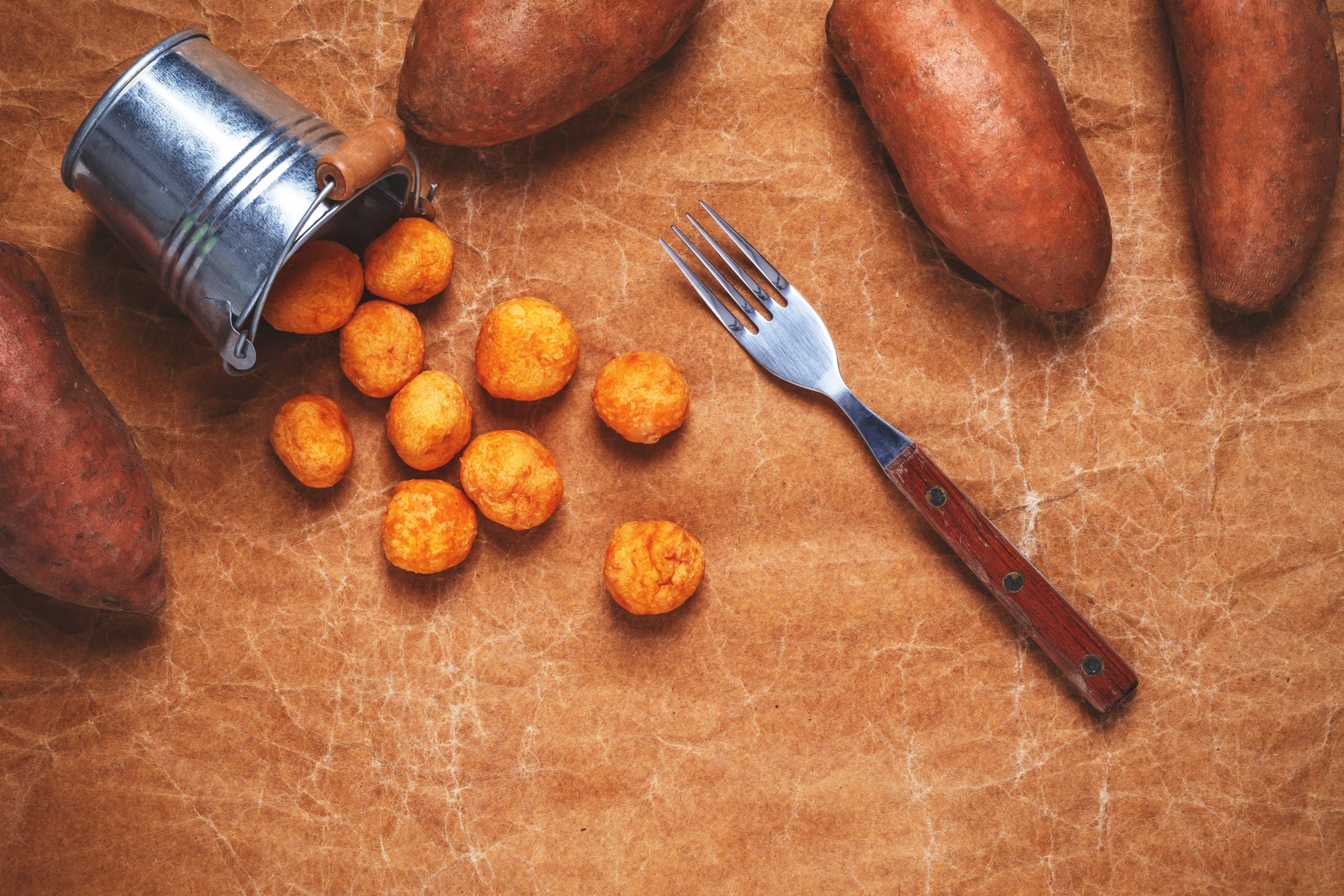
Sweet potatoes are bright, colorful root vegetables with a naturally sweet taste and creamy texture when cooked. They come in many colors (orange, purple, yellow) and have thin, edible skin. These nutritious tubers are packed with vitamins, fiber, and antioxidants. In the kitchen, they shine in both sweet and savory dishes. For example, you can roast them as seasoned cubes, mash them in casseroles, or bake them into a pie for dessert. Don’t confuse them with yams (a different starchy plant) which are drier and less sweet.
You can eat sweet potatoes and feel good about it. A cup of baked sweet potato has around 180 calories and 6.6 grams of fiber, which makes you feel full and helps your body digest food. They are full of beta-carotene, which is a type of vitamin A. In fact, one cup gives you more than 200% of your daily need. Another good thing about them is that they have a lot of vitamin C and other good things for you like iron and potassium. The bright and purple ones have a lot of antioxidants that help keep your cells healthy. Because of these things, sweet potatoes are good for your eyes, skin, brain, and gut.
Each of these points shows why sweet potatoes are one of the healthiest root vegetables around. Eating them regularly can boost your nutrition: for example, one researcher says they are “nutrient-dense” and “rich in fiber and antioxidants” which help a healthy gut and brain. And they can make your meals more interesting and tasty!
Sweet potatoes are very easy and fun to cook in many ways. You can bake, boil, roast, steam, or microwave them. Here are some simple tips:
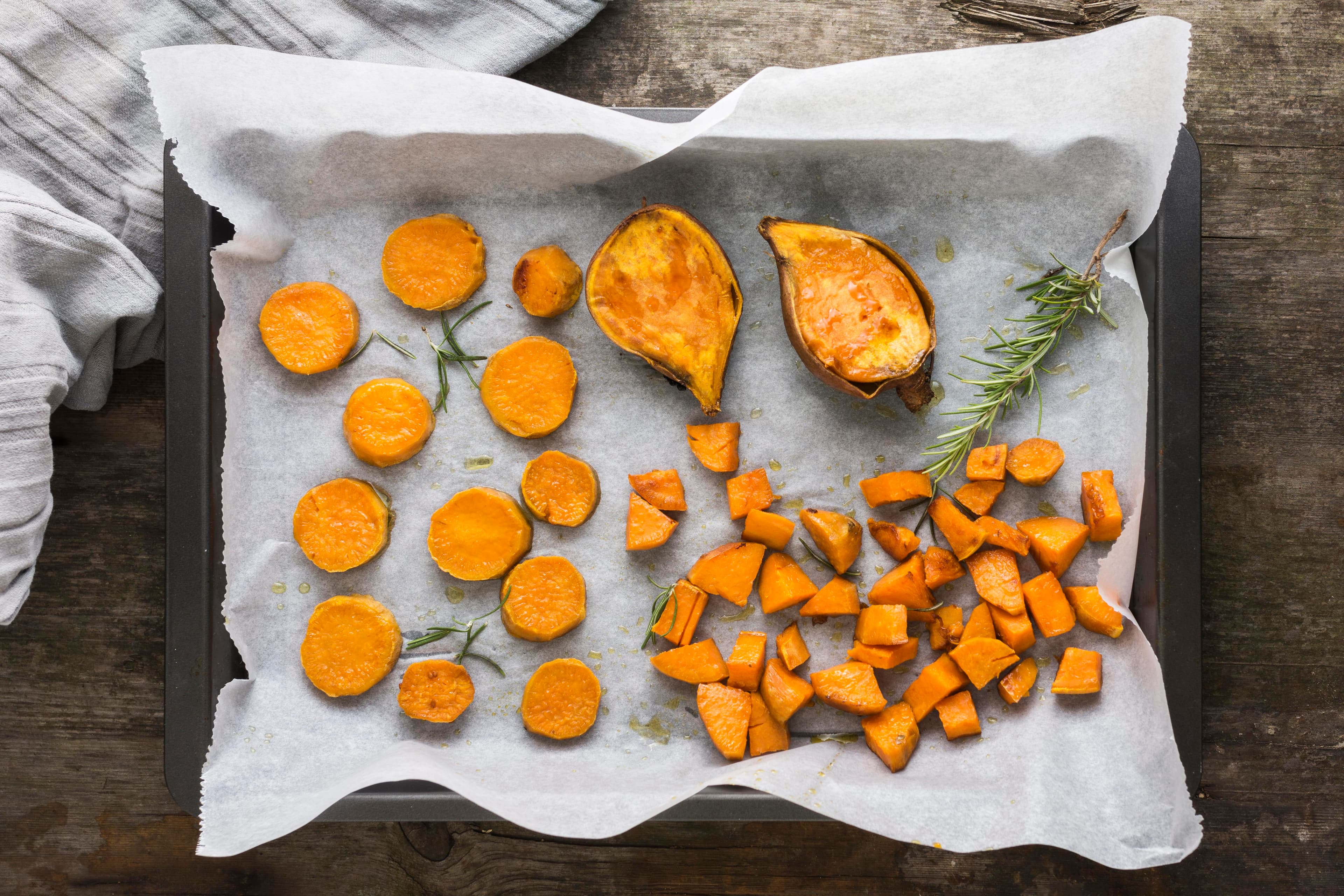
Note: When you bake or microwave whole sweet potatoes, don't forget to poke holes in them. Also, don't wrap them tightly in foil; that will steam them instead of roasting them. Check with a fork as well as a timer to see if it's done. If you can easily slide a fork into them and the skin is a little curled, they are done.
You can use sweet potatoes in a lot of different recipes, from snacks to sweets. People like to use them in these ways:
See our Crispy Sweet Potato Fries recipe.
Here are two examples of tasty dishes:
Oven-Baked Sweet Potato with Spicy Mushrooms: A healthy one-pan meal with baked sweet potatoes and a peppery oyster mushroom topping. The skin stays crisp and the inside is creamy – try this recipe for dinner.

Sweet Potato Fries: These crispy sweet potato fries are a fun snack or side. Season them with paprika and a pinch of salt and bake until they are golden and tender. They’re rich in fiber and vitamins, especially if you bake instead of deep-frying.
All these ideas show how versatile sweet potatoes are. You can use them in savory stews or sugary treats – from breakfast to dessert. They keep your plate interesting and nutritious!
When you buy sweet potatoes, pick ones that feel heavy and firm, without cracks or soft spots. Store them in a cool, dry place (like a pantry) away from direct sunlight. Avoid refrigerating raw sweet potatoes as cold can alter their texture and taste. Properly stored, they can last for several weeks. If a sweet potato starts to sprout or shrivel, it’s usually still fine to eat after cutting off the affected part.
Q1. Are sweet potatoes and yams the same thing?
A1. No, they are different vegetables. True yams are starchy and belong to a different plant family, while sweet potatoes are sweeter and softer when cooked. In the US, orange sweet potatoes are sometimes mislabeled as “yams,” but that’s just a naming quirk.
Q2. How long should sweet potato be in the microwave?
A2. Microwave a medium sweet potato for about 5 minutes total (roughly 3 minutes on one side, then 2 minutes on the other). Check with a fork. If it’s not soft yet, continue in 1-minute bursts. Always pierce the skin before microwaving to prevent bursting.
Q3. How do sweet potatoes grow?
A3. Sweet potatoes grow from “slips” or vine cuttings planted in warm soil. The plant spreads leafy vines above ground, while tubers grow underground on the roots. In a warm climate, they usually take about 90–120 days to mature. Gardeners often harvest them in early fall, around 3 months after planting.
Q4. Are sweet potatoes good for dogs?
A4. Yes, cooked plain sweet potatoes are safe and even healthy for dogs. They are rich in fiber and nutrients (like beta-carotene) which can benefit your pet. Just be sure to cook them fully (boiled or baked) and don’t add seasoning like garlic or onion. Give only small amounts, since too much fiber can upset a dog’s stomach.
Q5. When do sweet potato harvest?
A5. Sweet potatoes are typically harvested in late summer or fall, about 3 months (90–100 days) after planting. One clue they are ready is when the vines start yellowing. You can gently dig around the plant. If tubers are big and the soil is bulging, it’s time to pull them up. After digging, cure them in a warm, shaded spot for a week to bring out sweetness.
Q6. Are sweet potato fries healthy?
A6. Often yes. Sweet potato fries can be healthier than regular fries. They’re high in fiber and vitamins, especially when baked or air-fried instead of deep-fried. The natural sugars give a crispy exterior and sweet taste. Just watch the oil. Baking sweet potato fries makes them lower in fat but still delicious.
Q7. Why is sweet potato good for you?
A7. Because it’s packed with nutrients. Sweet potatoes provide lots of vitamins (especially A and C), fiber, and antioxidants. They support vision, immunity, and gut health. The natural fiber slows digestion, which helps keep blood sugar steady. Overall, they’re a nutrient-rich carb that fits well in most diets.
Q8. Are sweet potato fries gluten free?
A8. Yes, by nature sweet potatoes contain no gluten. So plain sweet potato fries (just potato and oil) are gluten-free. However, check any batter or breading. If you add flour or use a seasoned coating, that could have gluten. If you keep it simple (sweet potatoes, salt, and oil), they are safe for a gluten-free diet.
Q9. Are sweet potato skins good for you?
A9. Definitely. The skin is edible and holds a lot of fiber and nutrients. Keeping the skin on when you cook sweet potatoes gives you extra fiber, which is good for digestion and blood sugar control. Just wash them well before cooking. Many people peel sweet potatoes, but leaving the skin can make your dish even healthier.
Q10. When do sweet potatoes go bad?
A10. Raw sweet potatoes stored in a cool, dark place can last a few weeks up to a month. Toss them if they start to sprout, become soft or shriveled, or smell bad. A fresh sweet potato should be firm and not have any strange odors or wet spots. Cooked sweet potatoes stored in the fridge last about 3–5 days in an airtight container. Frozen cooked sweet potatoes can last several months if sealed properly.
Updated on 13 Jan 2026

Save recipes from anywhere, and get answers, swaps, and help as you cook.

