We use cookies on this website to ensure its proper functioning and to improve the quality of our services. Cookie Policy
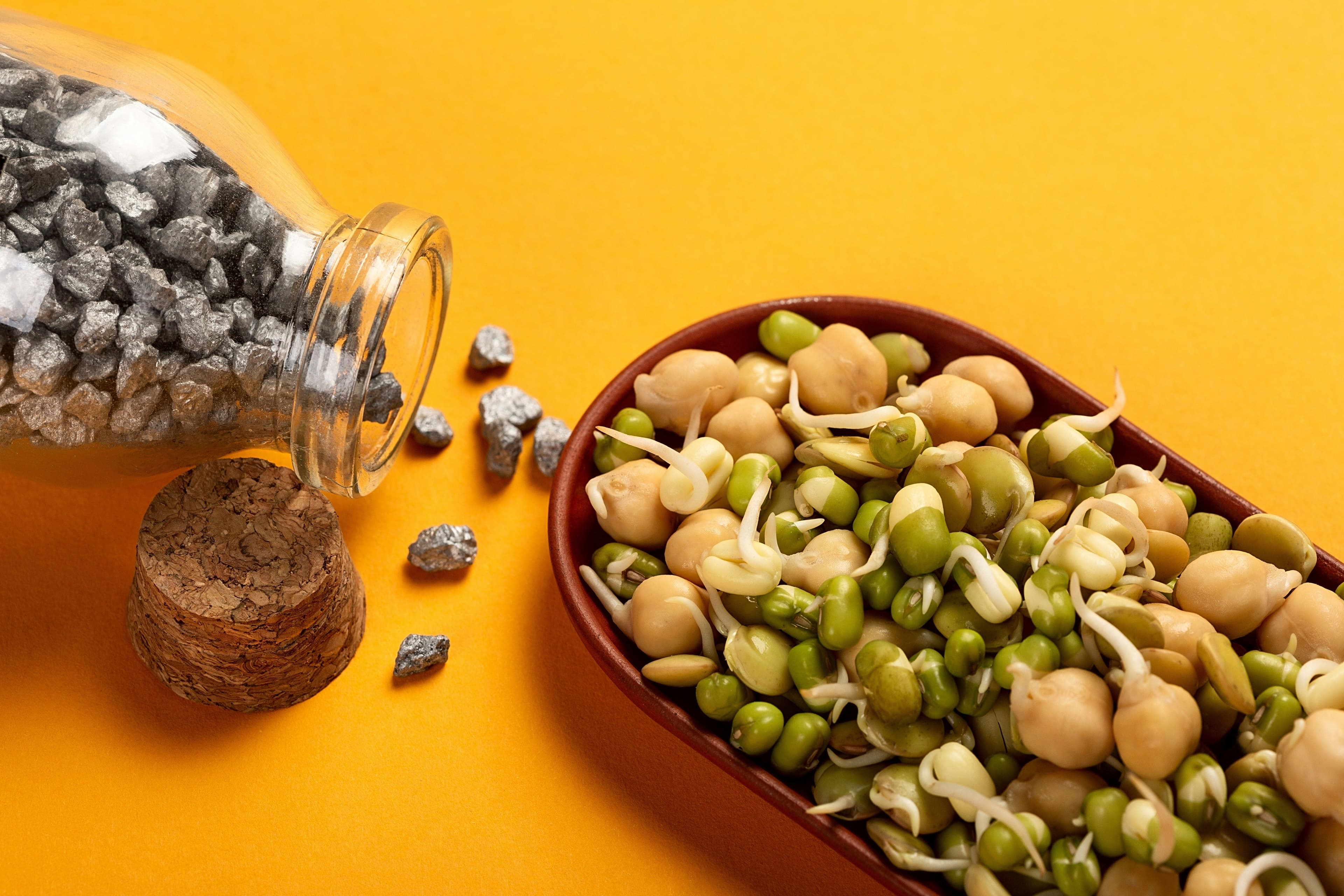
Building muscles requires extensive training and sweating in the gym. But that alone can’t complete the task. Consuming proper nutrition goes hand in hand. In this case, protein, in particular, is essential in muscle-building. In this article, we will look into the science behind the symptoms of protein deficiency and explore protein-packed foods for muscle building.
Protein is essentially made of amino acids, which are the building blocks of muscles. When we exercise, our muscles undergo stress and tiny microscopical tears. Then the protein in our system, or rather the amino acids it broke down into, head to help the muscle recover and grow. When repeated, this process of consuming protein and exercising leads to muscle gain over a period of time.
There are some common symptoms that hint at a protein deficiency in your body. Loss of muscle mass and weakness are telltale signs that you are not consuming enough protein. Fatigue, low energy levels, hair loss, and brittle nails follow suit.
One billion people worldwide are estimated to be suffering from protein deficiency.
Many of us suffer from anxiety and mood swings, and while this may be related to several other aspects, protein deficiency is also one of them. If you have been feeling any of the above recently, be sure to check your protein intake. Protein deficiency is a much more common issue than we believe.
One of the most common questions among people wanting to include muscle-building high-protein foods in their diet is whether to consume protein before or after workouts. The answer to this question is not a simple one. It largely depends on your individual goal and dietary preference.
Consuming muscle-building protein before a workout acts as a stock ready to break into amino acids and form muscle protein when the time comes. It also helps you avoid feeling hungry during training.
Consuming protein foods after a workout helps in muscle protein synthesis if done within the immediate and prolonged post-exercise recovery window. This can help you gain more muscle over time.
It refers to the 30-60 minutes following a workout that is suggested to be the optimal time to enhance muscle gains and recovery through nutrition. It is also called the “anabolic window”.
Now that we understand the connection between protein and muscle building let’s get to the important part. What are some Protein-Packed Meals for Muscle Building? Here is a list of muscle-building protein foods to start your day with:
Eggs: Taking about breakfasts, let's begin with the global staple. Eggs are high-quality protein and perfectly light for breakfast. In addition, eggs also contain high amounts of amino acid leucine, essential for muscle gains, alongside healthy fats and vitamin D. Incorporate this powerhouse of protein with this Steamed eggs recipe in your breakfast.
Chicken: Another muscle-building must, chicken is a great source of protein accompanied by generous amounts of Vitamin B and B6. Try out this One Pan High Protein Marry Me Chicken & Orzo recipe.
Salmon: Rich with protein, omega-3 fatty acids and vitamin B, salmon is a strong contender for being the best protein-rich food out there. Add this Quick Airfryer Salmon with Cream Herb Sauce recipe to make your breakfast protein-rich.
Shrimp: Did you know that shrimp are almost pure protein? This low-calorie, high-protein option is great for gaining protein without excessive fat. Cook yourself a breakfast of Garlic Shrimp Skewers to help in your muscle-building journey.
Scallops: Similar to shrimp, scallops are high in protein but low in fat. Perfect to fill your protein requirements without consuming too many calories. Include this Sweet and Sour Spicy Soupin your breakfast and unlock the complete power of this protein-rich food.
If you thought building muscles with the help of the right diet was difficult, vegans and vegetarians will tell you exactly how difficult it could be. Difficult but not impossible. Here is a list of protein foods for vegetarians and vegans:
Tofu: Made from Soy milk, this vegan option is a great protein source and one of the highest-quality plant proteins. In addition to protein, tofu is also a good source of calcium that helps maintain bone health alongside muscle gains. For vegetarians, a similar option is paneer or cottage cheese. To understand your choices before making your pick, you can refer to this Tofu vs Paneer– Which is Better?
Greek Yogurt: Not for vegans, but vegetarians can surely count on this protein-rich food for a light snack. In addition to offering protein, greek yoghurt also supports digestion with probiotics.
Chickpeas: Chickpeas are high in protein and carbs. Chickpea isn’t the best source of protein, but it still helps when looking for something filling. The protein helps in muscle building while the carbs help maintain the energy level, making it a great option for both pre and post-workout.
Quinoa: Another protein-rich food that also provides carbs and fibre alongside magnesium and phosphorus. Quinoa is a superfood that contains all nine essential amino acids. This is a must-add-on for your meals if you are working on muscle building. Quinoa has a range of benefits. To learn more, check out this article: Rice vs. Quinoa: Which Is Healthier?
Building muscles is not just about hitting the gym; it is about shaping your body through exercise and food. Consuming proper nutrition is essential in this process. Including muscle-building protein in your diet supports this journey and helps you gain muscle while providing recovery for all those workout tears. Whether you are a non-vegetarian, vegetarian or vegan, there are numerous protein options for everyone. So, if you are looking to build muscles, add these protein-rich foods to your diet today to see greater results.
Updated on 24 Jul 2025
Save recipes from anywhere, and get answers, swaps, and help as you cook.

