We use cookies on this website to ensure its proper functioning and to improve the quality of our services. Cookie Policy
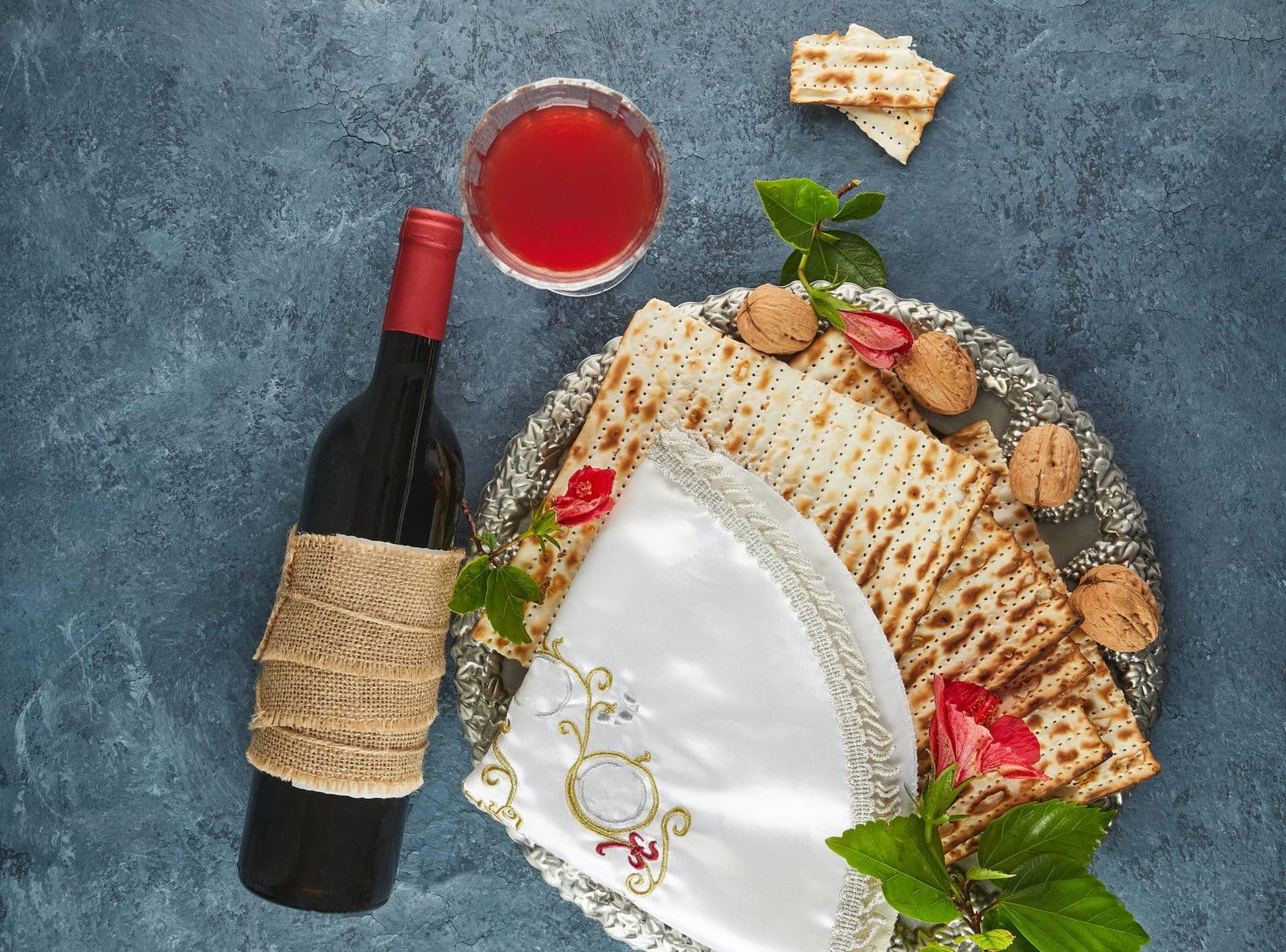
Passover is one of the most food-focused holidays in the Jewish calendar. And unlike most holidays where food is just a bonus, at Passover, what you eat, what you avoid, and even how you eat it all carry deep meaning. Every bite connects to a 3,000-year-old story about slavery, survival, and freedom.
Passover 2026 begins the evening of April 1 and runs through April 9. Whether you are celebrating for the first time or looking to understand the traditions better, this guide breaks down everything from the Seder plate to the dinner table to the long list of foods you need to skip.
Passover (or Pesach in Hebrew) marks the Exodus of the Jewish people from slavery in ancient Egypt. According to the Torah, the Israelites left in such a hurry that they could not wait for their bread to rise. That single moment is the reason so much Passover food culture revolves around unleavened bread and the strict removal of any leavened products from the home.
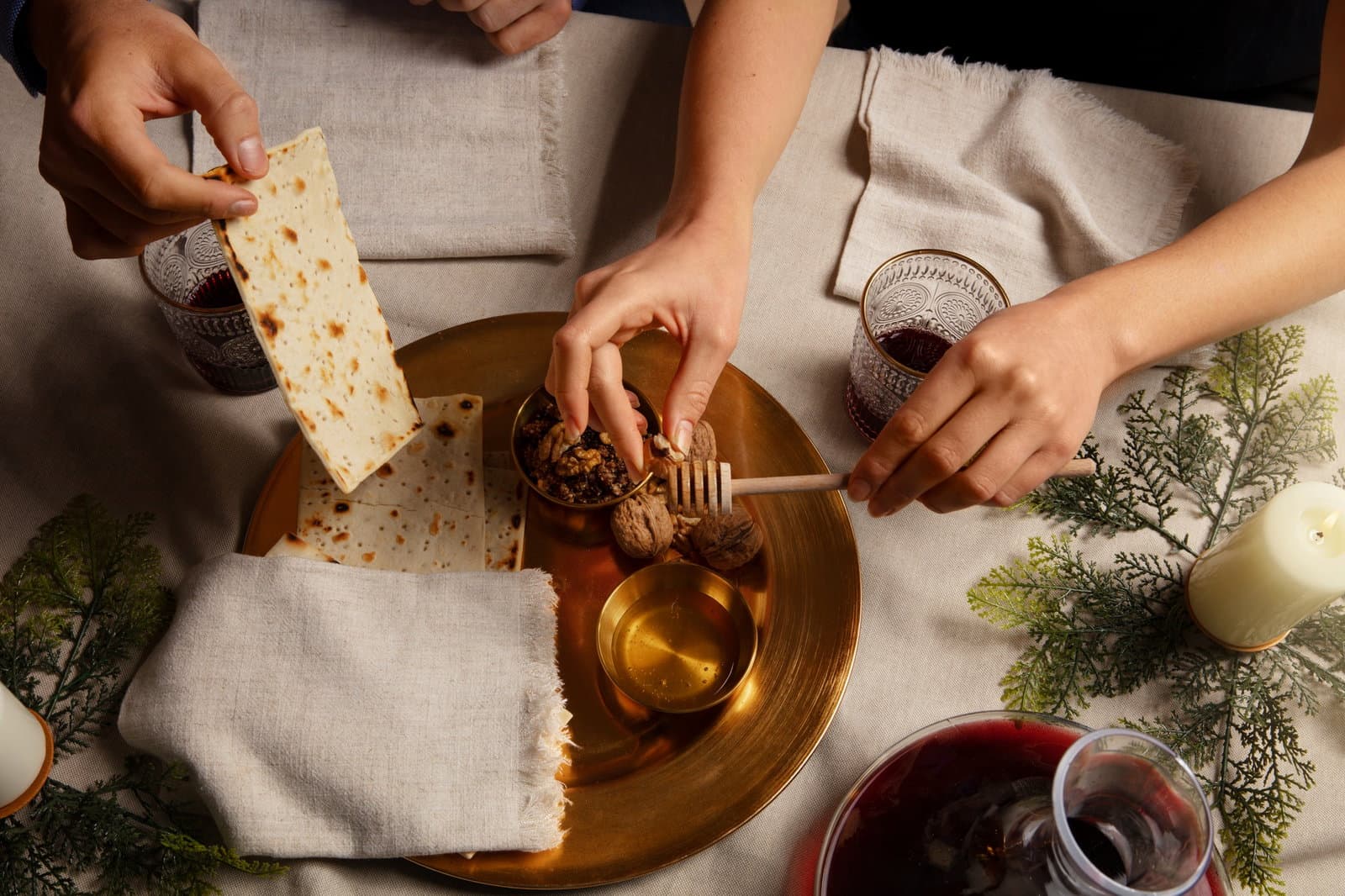
The central ritual of Passover is the Seder, a structured meal held on the first night (and often the second night) that combines storytelling, prayer, symbolic foods, and a full dinner. The word "Seder" means "order" in Hebrew, and the meal follows a specific sequence of 15 steps.
Food is not just fuel at a Passover Seder. It is a teaching tool. Each item on the table is meant to help you feel the story, not just hear it.
The Seder plate sits at the center of the table and holds the symbolic foods of the holiday. Most plates have six designated spots, though some families use seven. Each item represents a piece of the Exodus story.
If you want to bring a slow-braised lamb to the dinner table, try this Slow Cooked Lamb Stew in Red Wine as your main course.
Beyond the Seder plate itself, the dinner that follows is a full spread. Traditional Passover meal foods vary by family and Jewish community, but you will almost always find some version of these:
For a hearty alternative to brisket, a Slow Cooker Pot Roast works beautifully as a Passover-friendly main when made without thickeners. Add a fresh side like this Spinach Salad with Walnuts and Feta to round out the meal.
The most important food rule of Passover is the prohibition of chametz. Chametz refers to any food that contains one of the five grain types (wheat, barley, rye, oats, or spelt) that has been in contact with water long enough to ferment or rise. Anything leavened is off the table, literally.
This means no bread, no pasta, no regular cookies, no crackers, no cereal, no pizza, and no flour tortillas. Beer is also chametz since it is made from fermented grain. Many families do a full sweep of their home before Passover begins to remove every trace of chametz.
The five grains at the heart of the chametz prohibition are wheat, barley, rye, oats, and spelt. Any product made from these grains that has fermented counts as chametz. Here is a simple way to think about it:
Matzo is made from wheat but is baked within 18 minutes of the dough being mixed with water, which prevents fermentation. That technicality is what makes it allowed.
One of the most common points of confusion around Passover food is the concept of kitniyot. This refers to a category of foods including rice, corn, beans, lentils, peas, sesame seeds, and legumes.
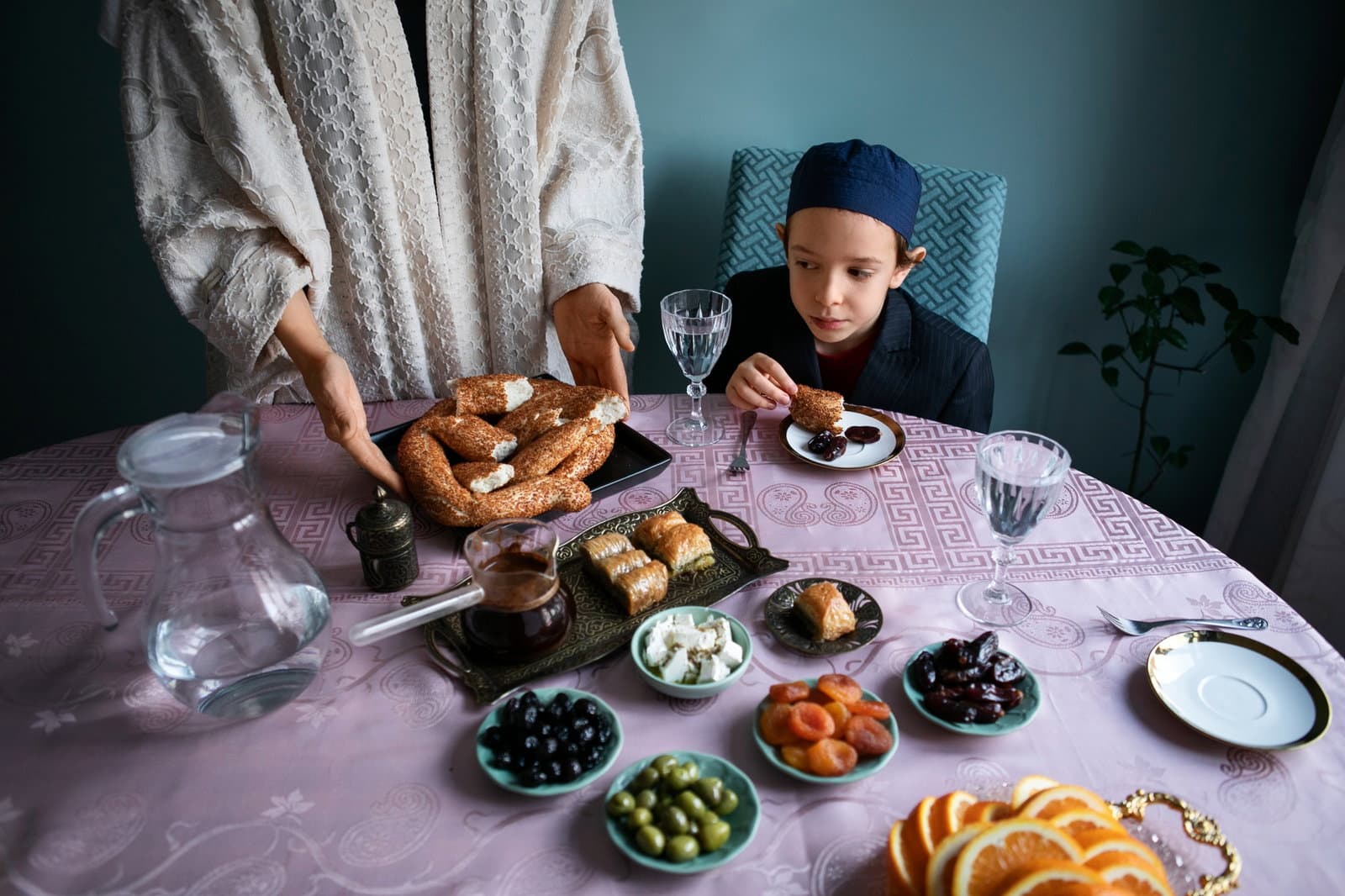
Ashkenazi Jews (those with Eastern European roots) traditionally avoid kitniyot during Passover in addition to chametz. The reasoning goes back to medieval rabbis who were concerned that these foods could be confused with forbidden grains or that chametz might accidentally be mixed into stored legumes.
Sephardic Jews (those from Spain, North Africa, the Middle East, and elsewhere) generally do not follow the kitniyot restriction. A Sephardic Seder table might include rice dishes and lentil soups, while an Ashkenazi table would not.
In 2015, the Conservative movement ruled that Ashkenazi Jews could choose to eat kitniyot. Reform communities have also been more flexible. So if you're attending a Seder, it's worth knowing your host's tradition before you bring a rice dish.
Q1. Is yogurt kosher for Passover?
A1. Plain, unflavored yogurt is generally considered kosher for Passover. However, flavored yogurts may contain chametz-based thickeners or flavorings, so it’s important to check for a “kosher for Passover” certification on the label.
Q2. Can Jews eat pizza during Passover?
A2. No. Traditional pizza dough is made with wheat flour that has been allowed to rise, which makes it chametz and not permitted during Passover. Some people make matzo-based pizza as a substitute.
Q3. Can Jews eat at McDonald's during Passover?
A3. McDonald's is not kosher, so observant Jews generally do not eat there year-round, including during Passover. The buns and many other ingredients would also count as chametz.
Q4. Is pasta kosher for Passover?
A4. No. Regular pasta is made from wheat and is considered chametz, which is avoided during Passover. Many families use alternatives made from potato starch or special Passover-friendly noodles instead.
Q5. Why is peanut butter not kosher for Passover for Ashkenazi Jews?
A5. Peanuts fall under the category of kitniyot, foods that Ashkenazi Jews traditionally avoid during Passover. Additionally, many commercial peanut butter brands are produced in facilities that also process chametz.
Q6. What is a typical Passover meal?
A6. A traditional Passover Seder begins with symbolic foods from the Seder plate, followed by dishes such as matzo ball soup and Gefilte Fish. The main course is often brisket or roast chicken, served with sides like Tzimmes, Kugel, and roasted vegetables. Desserts often include macaroons, fruit, or flourless chocolate cake.
Q7. What are the 7 ingredients on a Seder plate?
A7. The traditional Seder Plate contains six symbolic foods: zeroa (shank bone), beitza (egg), maror (bitter herbs), charoset, karpas (a vegetable), and hazeret (bitter greens). A seventh item matzah is usually placed nearby or on a separate plate. Some families also add an orange as a modern symbol of inclusion.
Passover is one of the most observed Jewish holidays worldwide, including in the United States where millions of families host or attend a Seder each year. The food traditions carry history in a very direct way. Eating matzo is not just about skipping bread. It is an act of remembering what it felt like to leave in a hurry, to carry only what you could, to move toward something unknown. That is why Passover food culture has survived thousands of years of change. It is not just about what tastes good. It is about what the food means. And every year, the Seder table gives families a way to taste that meaning together.
Posted on 17 Mar 2026
Save recipes from anywhere, and get answers, swaps, and help as you cook.

