We use cookies on this website to ensure its proper functioning and to improve the quality of our services. Cookie Policy
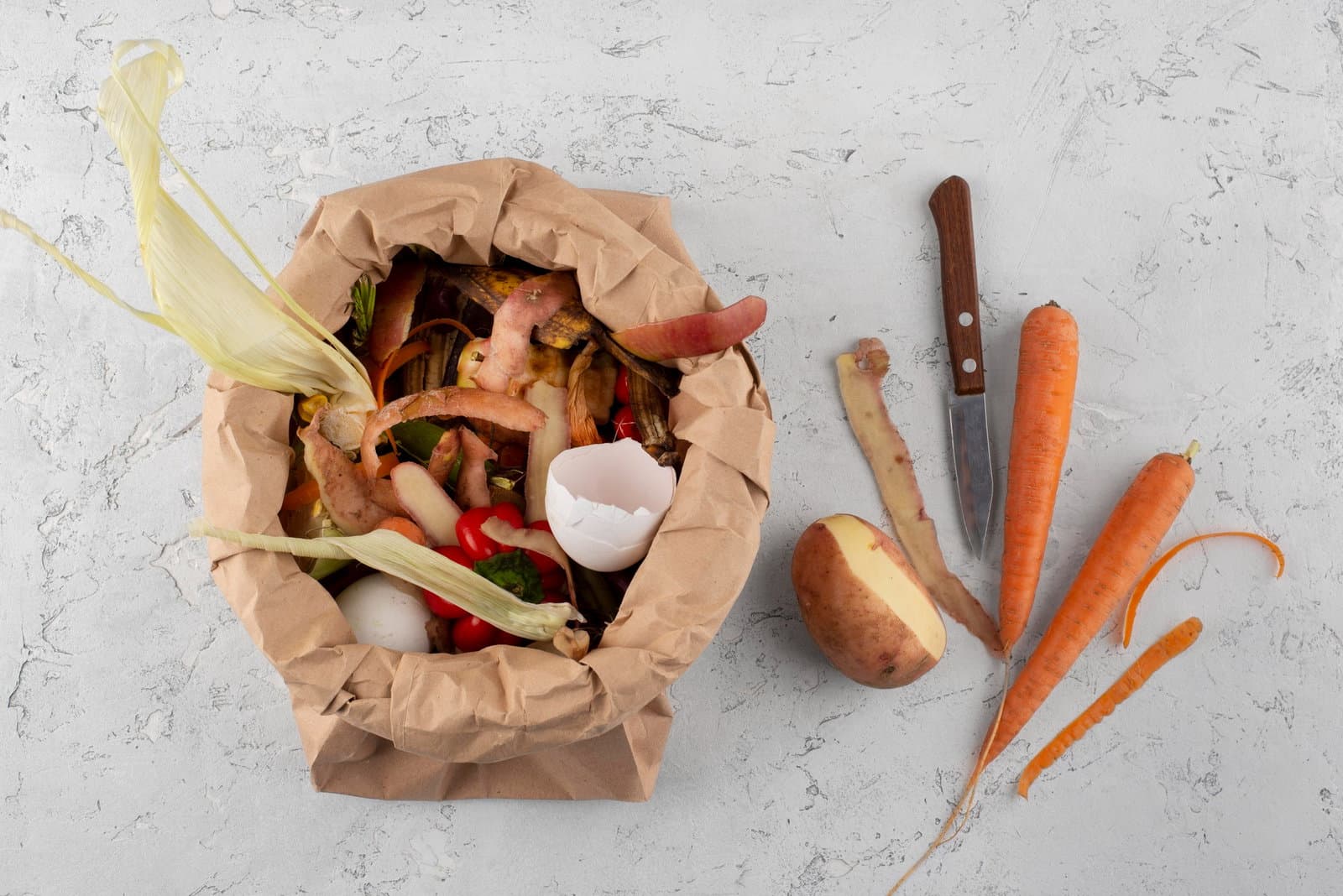
Most kitchen scraps are not trash. Vegetable peels, leafy tops, herb stems, and fruit skins are full of fibre, flavour, and nutrients you have already paid for. You can turn potato and carrot peels into crispy snacks, cook radish and beetroot greens into sabzis and parathas, simmer veggie trimmings into free homemade stock, steep citrus peels into a natural cleaner, regrow spring onions and herbs on your windowsill, and compost the rest into rich soil. A few small habits, like keeping a freezer scrap bag and pausing before you toss anything, can cut your food waste, save money, and shrink your kitchen's footprint.
Every day, countless vegetable peels, fruit skins, stems, and leafy tops end up in the trash without a second thought. While some kitchen scraps are unavoidable, many of them still hold incredible value, flavour, and nutrients.
In recent years, there has been a massive shift toward sustainability and mindful cooking. Many households are looking for simple ways to stretch their grocery budgets and shrink their environmental footprint. Surprisingly, some of the most nutritious parts of fresh produce are the bits we routinely throw away. By learning how to reuse these leftovers creatively, we can turn what was once considered garbage into culinary gold and practical household solutions. If you want a wider game plan for this, our guide to building a zero-waste kitchen is a great companion read.
If you are tossing your scraps straight into the compost bin, you can skip the deep clean. But if you plan to use them for cooking, proper prep is essential since you will be eating the outermost layers.
Try to use organic produce whenever you plan to cook with the skins. Whatever the source, always give them an extra deep clean to remove dirt, wax, or surface pesticide residue. Soak your vegetables and fruits in a large bowl of water with a teaspoon of baking soda (meetha soda) or vinegar for 10 to 15 minutes before peeling, then rinse under running water.
Many vegetable skins are fully edible, packed with dietary fibre, and intensely flavourful. Washed thoroughly, they can be turned into delicious parts of your daily meals.
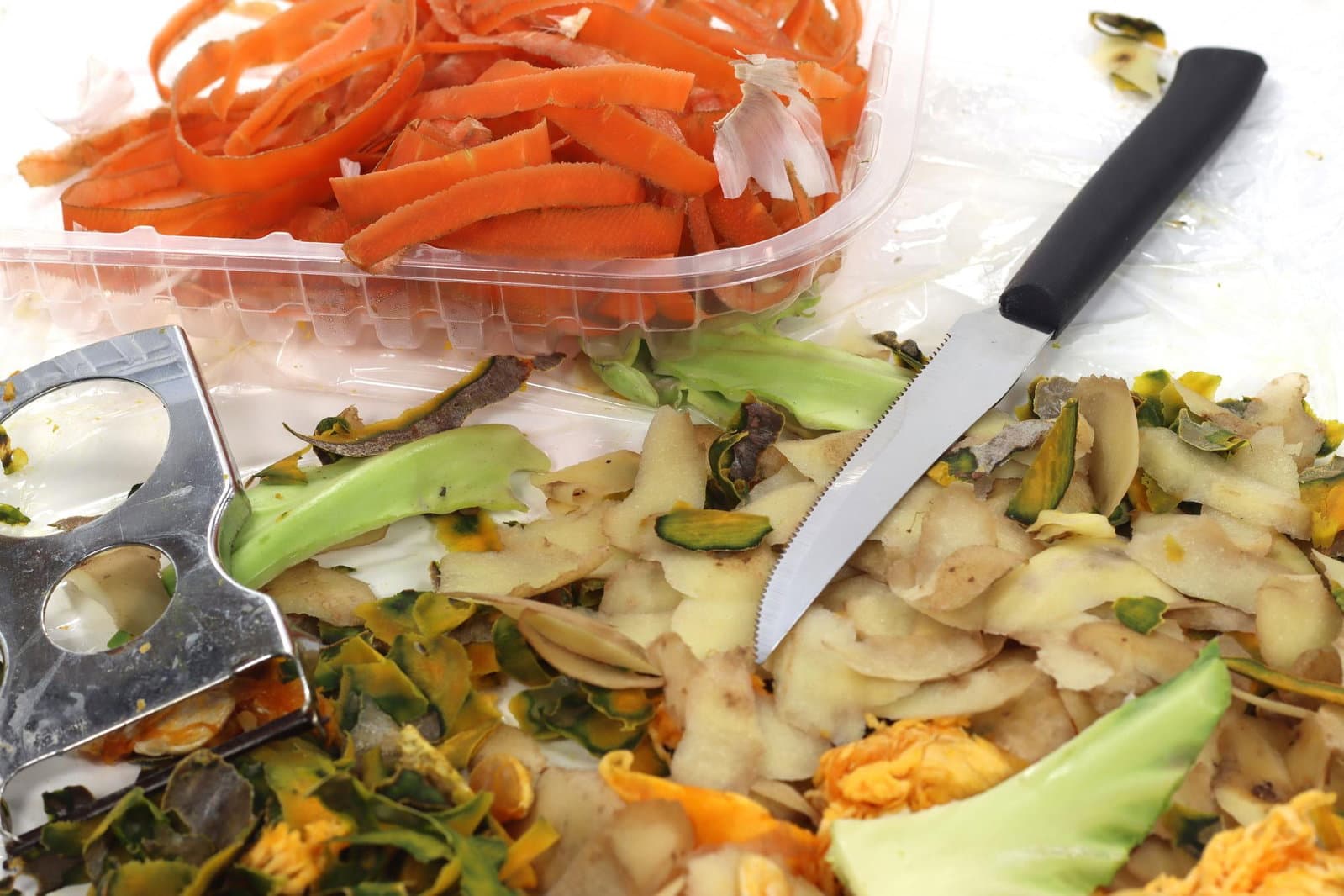
Crispy Snacks: Toss potato, sweet potato, or carrot peels with a splash of oil, salt, and your favourite spices, then bake or air-fry them until crisp for a crunchy, zero-waste snack.
Traditional Chutneys: Do not throw away bottle gourd (lauki) or ridge gourd (turai) peels. Sauté them with green chillies, garlic, and lentils, then blend into a vibrant, fibre-rich chutney.
Flavour Boosters: Use ginger peels to infuse your morning masala chai or weekday broths. Wash and save onion and garlic skins, the way you would for a dry garlic chutney. While they are not eaten directly, they add a gorgeous deep amber colour and earthy flavour to homemade stocks and chutneys.
Cooling Additions: Blend thoroughly washed cucumber peels into your morning green smoothies, or finely chop them to add texture and colour to a refreshing raita.
Leafy tops attached to whole vegetables are among the most nutrient-dense ingredients in the kitchen, yet they are almost always twisted off and thrown away.
Vegetable Tops: Radish leaves and beetroot greens cook beautifully. Chop them up to stir into comforting dals, sauté them as a dry sabzi like these sautéed beet greens, or knead them directly into paratha dough. Cauliflower leaves and stems can be diced for stir-fries or dipped in batter for crispy pakoras.
Herb Stems: Coriander and mint stems actually pack more intense flavour than the leaves. Never throw them out. Blend them straight into your everyday chutneys, grind them into marinades, or crush them into curry bases for a burst of freshness.
Fruit scraps are highly versatile and carry natural aromatic oils that can lift both food and drinks.
Watermelon Rinds: The white part of the watermelon rind is a fantastic canvas for spices. In many regional food traditions, it is treated as a delicacy and cooked into savoury sabzis, tangy pickles, or sweet jams.
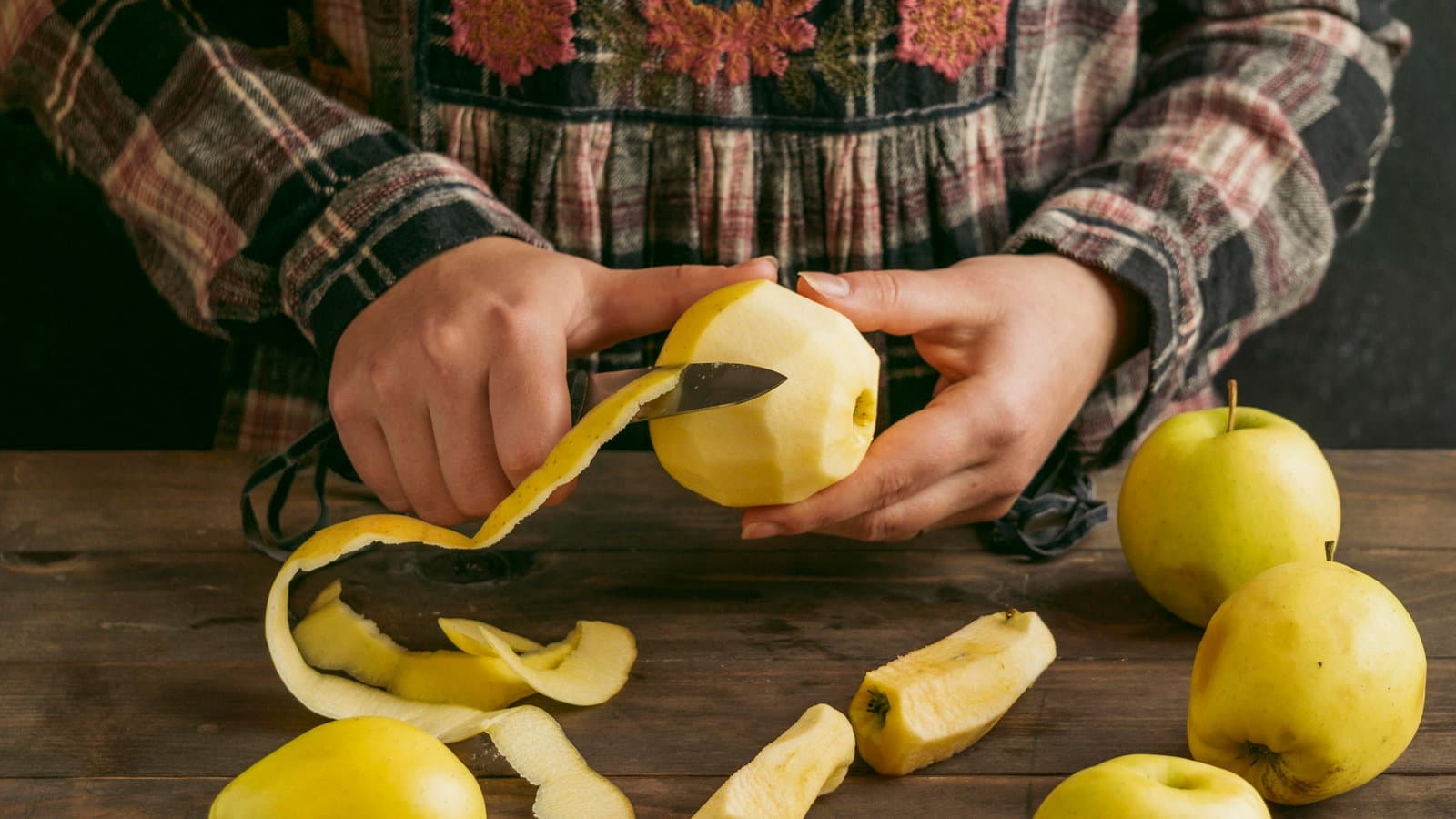
Apple & Pomegranate Skins: Simmer apple peels with a bit of cinnamon for a cosy oatmeal topper, or blend them into smoothies. Pomegranate peels can be sun-dried and steeped in hot water for an antioxidant-rich herbal tea.
One of the easiest habits to build is keeping a designated "scrap container" or silicone bag in your freezer.
Every time you trim a carrot, chop an onion, clean celery, or prep mushrooms, drop the clean trimmings into the bag. Once the container is full, empty the frozen scraps into a large pot. Cover with water, add a few black peppercorns, garlic cloves, and herb stems, and simmer gently for about an hour.
Strain the liquid, and you have a deeply flavourful, nutrient-dense homemade vegetable stock ready for your next soup, gravy, risotto, or rice dish, completely free.
Place your leftover orange, lemon, or lime peels into a glass jar and cover them completely with white vinegar. Let the jar sit in a dark cupboard for 2 to 3 weeks. Strain the liquid into a spray bottle. You now have a powerful, grease-cutting natural cleaner for kitchen counters and sinks that smells wonderfully fresh without any commercial chemicals.
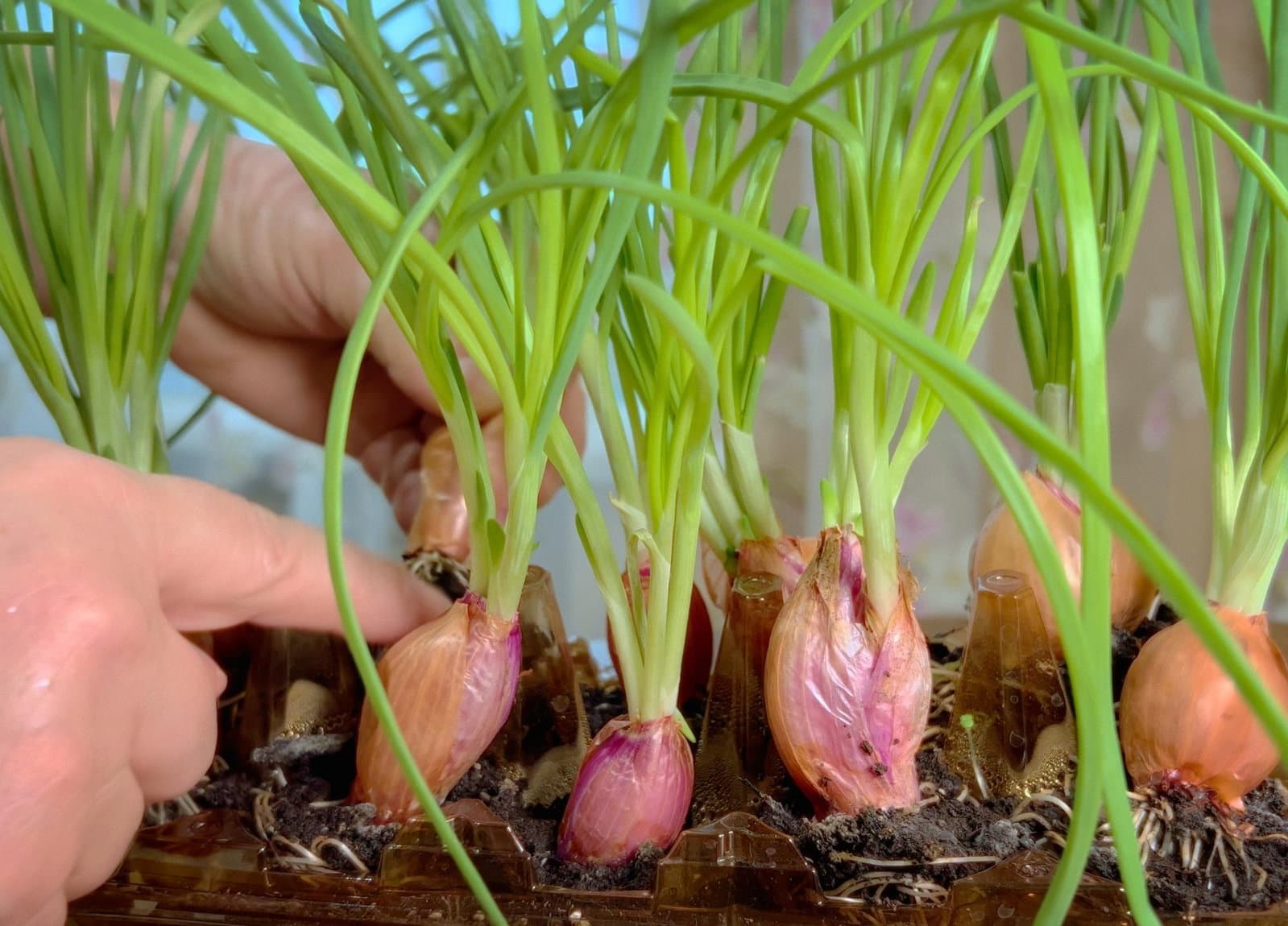
You can easily turn your kitchen counter into a mini-garden using leftovers that still have their bases intact:
Despite your best efforts, there will always be certain kitchen leftovers that cannot be reused as food or cleaners. Luckily, your garden sees these items as premium nutrition.
Eggshells for Calcium: Eggshells are packed with calcium, which acts like a building block for plant cells. Without it, plants get weak stems, and tomatoes or peppers can rot at the bottom.
How to do it: Whole shells take years to break down. Instead, rinse them, let them dry, and grind them into a fine powder using a mixer or mortar and pestle. Stir the powder straight into the soil so the roots can drink it up right away.
Tea Leaves for Growth & Acidity: Spent tea leaves are rich in nitrogen, which helps plants grow lush, vibrant green leaves. They are also mildly acidic, making them perfect for plants that love low-pH soil.
How to do it: Always rinse your used tea leaves in a strainer to remove any leftover milk or sugar (which attracts ants). Spread them out to dry, then scratch them directly into the topsoil around your roses, hibiscus, ferns, or tomato plants.
Black Gold Composting: Anything else, like tough vegetable ends, melon seeds, fruit peels, and wilted greens, can head straight into your compost bin. Composting naturally breaks down organic matter into a rich, dark fertilizer that rejuvenates soil structure, improves water retention, and adds beneficial microbes.
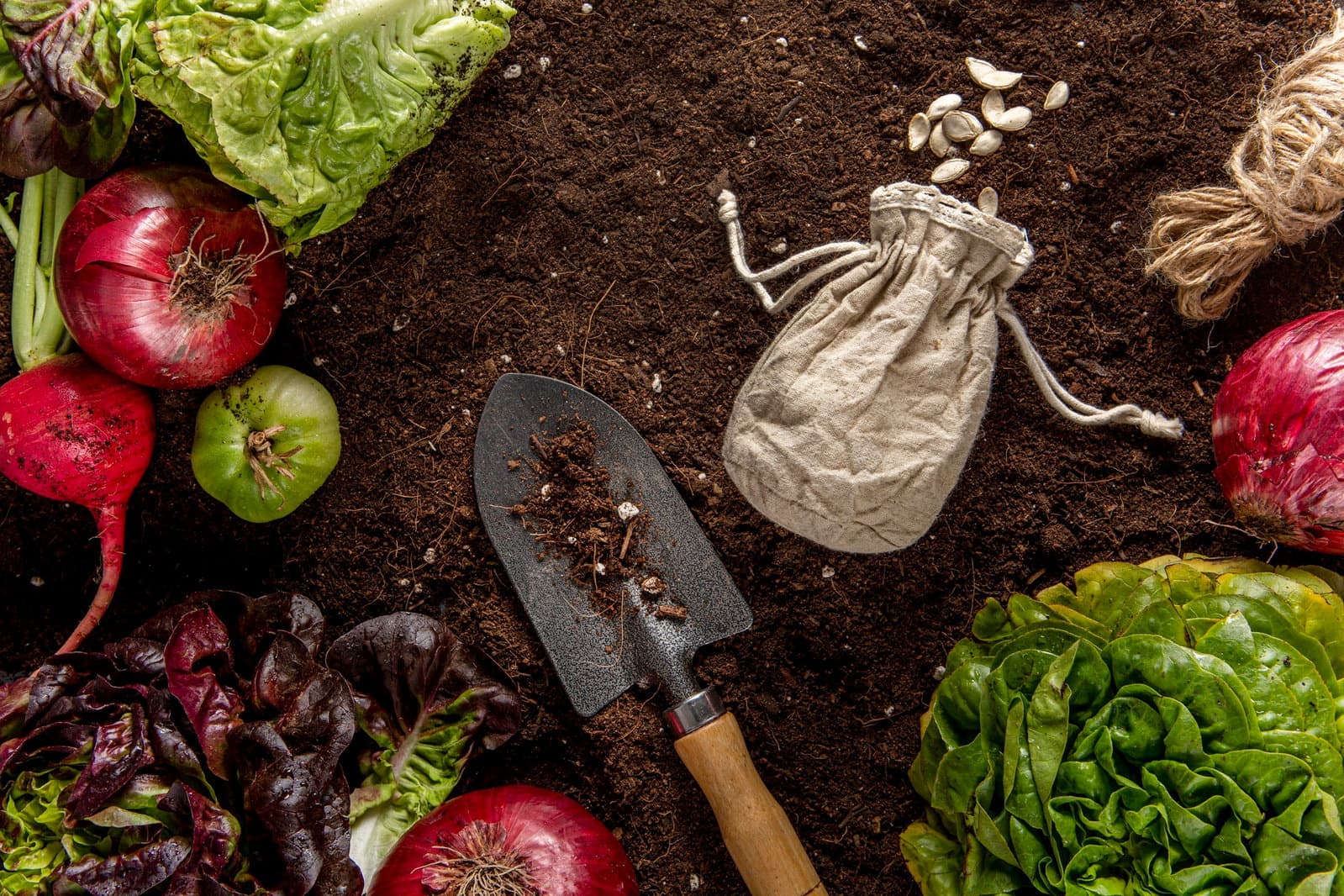
The Secret to Good Compost: To prevent odours and speed up the process, aim for a balance of "Greens" (your wet kitchen scraps, coffee grounds, and green leaves for nitrogen) and "Browns" (dry materials like shredded cardboard, dry leaves, or sawdust for carbon). Collecting and layering these materials properly is what breaks down the waste efficiently, turning it into a rich, nutrient-dense organic manure (khad) that gives your plants the ultimate health boost.
If you find this kind of thing inspiring, you will enjoy reading about the brands turning waste into solutions on a much bigger scale.
Moving to a sustainable kitchen doesn't require an overnight lifestyle overhaul. It is built on small, intentional daily habits:
A sustainable kitchen is not about achieving perfection; it is about being resourceful with the ingredients we have already spent our hard-earned money on. Every peel saved, every herb stem blended into a curry, and every scrap kept out of the landfill is a step toward more mindful, responsible cooking. The next time you stand at your chopping board, pause for a moment before sweeping the scraps away. You might just realise that the very thing you were about to throw out is exactly what your next meal needs.
Updated on 24 Jun 2026

Save recipes from anywhere, and get answers, swaps, and help as you cook.

