We use cookies on this website to ensure its proper functioning and to improve the quality of our services. Cookie Policy
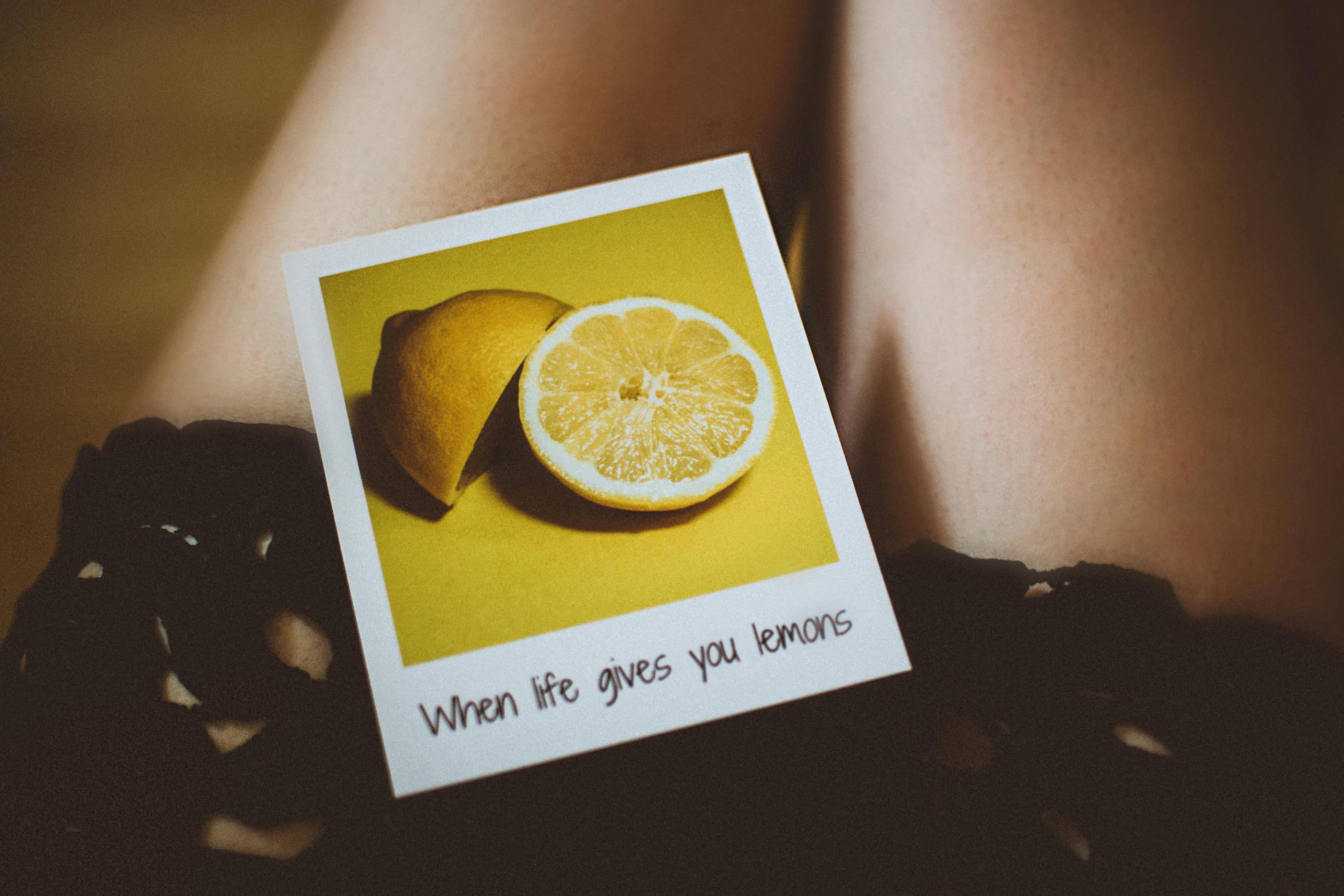
When life gives you lemons, make lemonade—but did life really give us lemons? Not quite. Unlike many naturally occurring fruits, lemons are not a wild creation of nature but a man-made hybrid. A result of human cultivation and agricultural ingenuity, lemons owe their existence to the selective breeding of two ancient citrus fruits.
Lemons, as we know them today, are believed to be a cross between the bitter orange (Citrus aurantium) and the citron (Citrus medica). This hybridization likely occurred thousands of years ago, possibly in regions of South Asia, before making its way across the globe. Early traders and cultivators spread lemons throughout the Mediterranean, the Middle East, and eventually Europe, where they became a staple in both culinary and medicinal use.
Genetic studies confirm that citrus fruits have a long history of crossbreeding, both naturally and through human intervention. This explains why many citrus varieties share similar characteristics. In fact, most citrus fruits we consume today—including limes, oranges, and grapefruits—are also hybrids of older, wild species.
Lemons are not alone in their hybrid origins. The entire citrus family is a genetic puzzle of crossbreeding and selective cultivation. For example:
Citrus fruits have been bred for specific traits, such as sweetness, juiciness, or acidity, leading to the diverse and vibrant array of citrus varieties we enjoy today.
Lemons became a favored fruit due to their high acidity, which made them valuable for culinary, medicinal, and even cleaning purposes. Their ability to prevent scurvy made them a crucial resource for sailors during long voyages. Over centuries, farmers continued cultivating lemons, enhancing their flavor and adaptability to different climates.
Today, we have several lemon varieties, from the popular Eureka and Lisbon lemons to the sweeter Meyer lemon, itself a hybrid of a lemon and a mandarin or orange. Each variety has been selectively bred to optimize taste, texture, and growing conditions, further proving how much human influence has shaped this citrus fruit.
Selective breeding has resulted in the tasty lemons we have today, but it has also decreased genetic diversity in cultivated citrus fruits. This lack of genetic variation makes them more susceptible to diseases like citrus greening, a bacterial infection that has devastated lemon and orange orchards worldwide.. Since most commercial lemons are cloned instead of grown from seed, they can't develop natural resistance to diseases and pests. It also can sometimes result in unwanted traits, such as increased acidity or bitterness.
The fact that lemons—and most of their citrus relatives—are human-made hybrids highlights the ingenuity of agricultural science. Without early farmers and cultivators experimenting with plant breeding, we wouldn’t have the flavorful citrus fruits we enjoy today.
So, did life really give us lemons? Not exactly. But thanks to centuries of cultivation and human ingenuity, we have this bright, zesty fruit that has become a staple in kitchens worldwide. Next time you squeeze a lemon into your tea or drizzle it over a dish, remember that its journey to your table was anything but accidental.
Updated on 21 Jan 2026

Save recipes from anywhere, and get answers, swaps, and help as you cook.

