We use cookies on this website to ensure its proper functioning and to improve the quality of our services. Cookie Policy
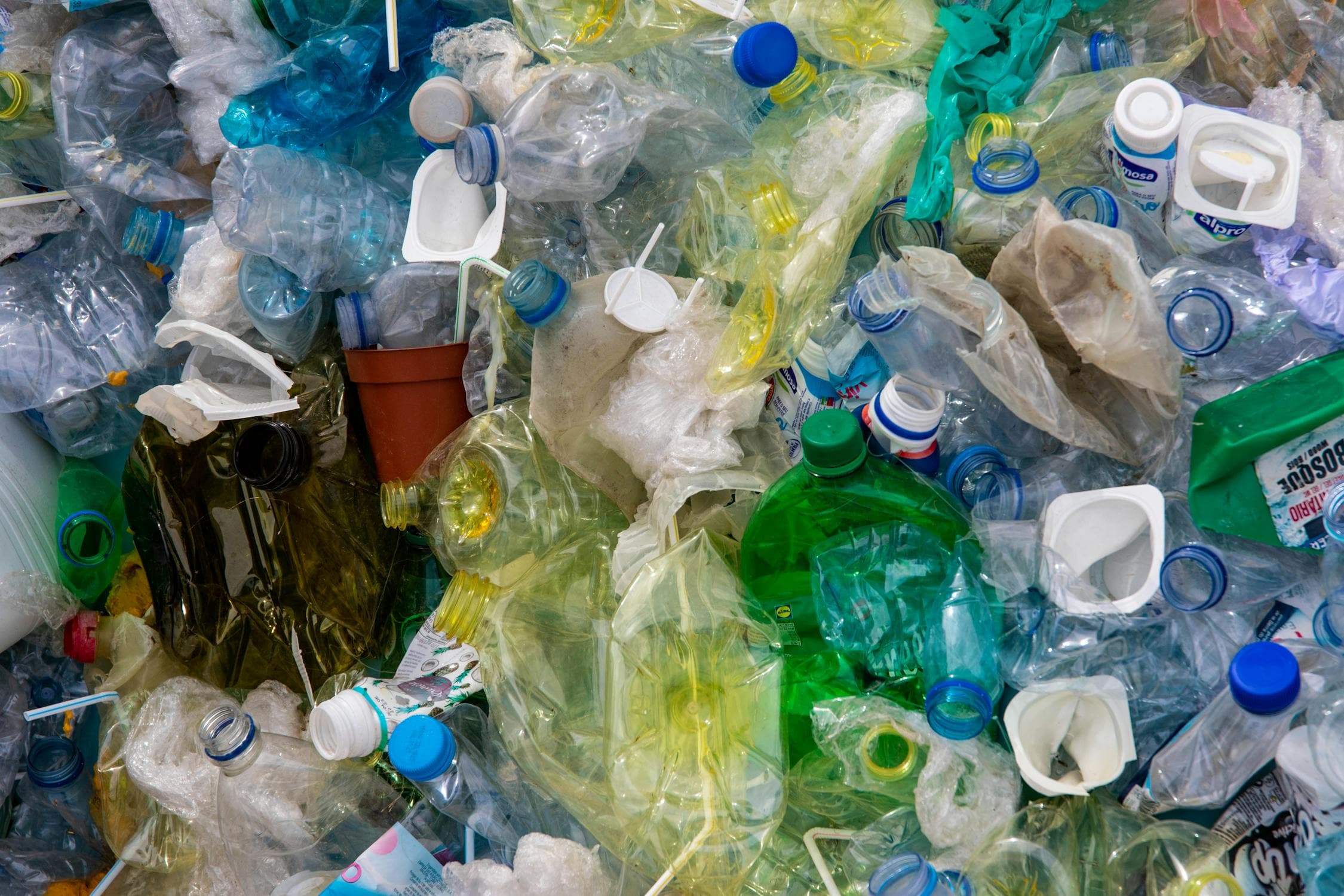
As global concerns about environmental degradation intensify, several pioneering companies are stepping up with creative solutions to combat issues like plastic pollution, food waste, and unsustainable agricultural practices. Here’s a look at some trailblazing organizations making a significant impact:
Notpla is revolutionizing the packaging industry by developing sustainable alternatives to single-use plastics using seaweed and other natural materials. Their product line includes biodegradable food containers and edible liquid capsules, all designed to reduce plastic waste and promote environmental health. By harnessing the rapid growth and carbon-sequestering abilities of seaweed, Notpla offers packaging solutions that decompose naturally, leaving no harmful residues.
The fashion industry is notorious for its waste, but FabBrick offers a creative solution by converting discarded textiles into building materials. This innovative company compresses fabric waste into bricks that are both functional and aesthetically pleasing. These eco-friendly bricks are used in interior design projects, providing insulation and unique visual appeal. By repurposing textile waste, FabBrick addresses both the issues of fashion industry surplus and sustainable construction, exemplifying circular economy principles.
Trashy Chips tackles food waste by transforming overlooked vegetable scraps into delicious, nutritious snacks. They rescue misfit veggies—such as those juiced, pulped, shaved, or peeled—and craft them into crispy chips. This approach not only reduces food waste but also offers consumers a sustainable snacking option. Trashy Chips exemplifies how upcycling can combat climate change and promote sustainable food systems.
Food waste is a significant contributor to environmental degradation, and Toast Brewing is tackling this issue one pint at a time. This brewery crafts delicious beers using surplus bread that would otherwise go to waste. By substituting a portion of the malt with discarded bread, Toast Brewing reduces food waste and lowers the demand for virgin brewing ingredients, which in turn decreases agricultural pressures on the environment. 100% profits are reinvested into charities focused on fixing the food system, making each sip a step towards sustainability.
Swegreen introduces a globally unique in-store farming solution, enabling retailers to grow fresh, pesticide-free leafy greens and herbs on-site. Their hydroponic systems use 99% less water than traditional agriculture and eliminate the need for transportation, as produce is harvested directly where it's sold. This model ensures customers have access to fresh, sustainably grown produce while significantly reducing the environmental footprint associated with conventional farming and distribution.
Addressing the challenges of urbanization and housing shortages, Minitopia offers an innovative approach to sustainable living. This initiative focuses on creating customizable, eco-friendly tiny homes that maximize space and minimize environmental footprints. Utilizing recycled materials and energy-efficient designs, Minitopia empowers individuals to live sustainably without compromising on comfort. Their modular homes promote a minimalist lifestyle, encouraging residents to value quality over quantity and reduce their ecological impact.
These companies exemplify how innovative thinking and sustainable practices can address some of the planet's most pressing environmental challenges. By reimagining traditional processes and products, they offer tangible solutions that benefit both people and the planet.
Updated on 21 Jan 2026

Save recipes from anywhere, and get answers, swaps, and help as you cook.

