We use cookies on this website to ensure its proper functioning and to improve the quality of our services. Cookie Policy
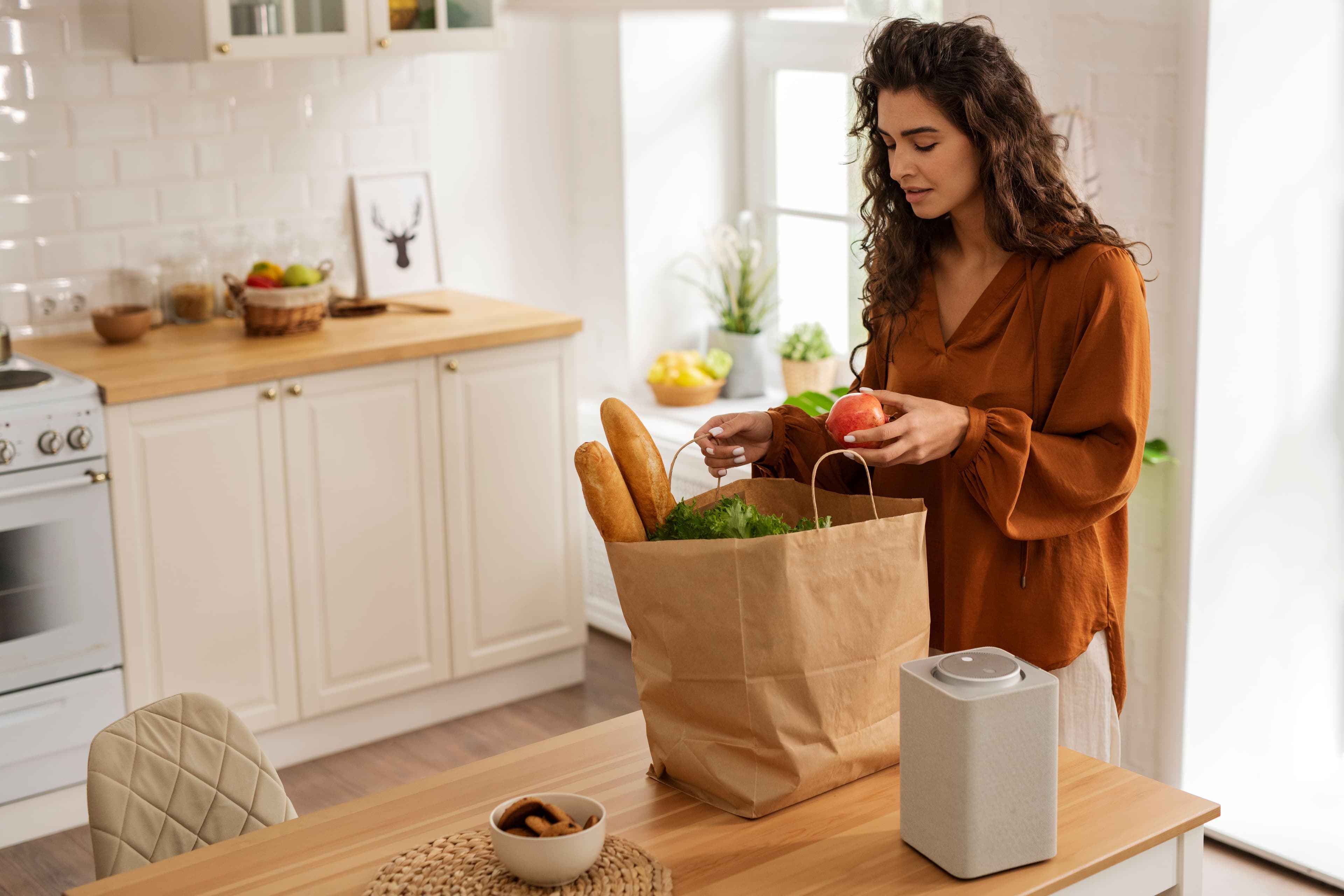
As bizarre as it seems, while food shortages remain a global issue, food waste is a reality too. On a planet where millions go hungry, the average household throws away nearly 79 kilograms of food each year. So why does it feel like an unsolvable problem? When food waste isn’t just bad for the planet, but hard on your wallet, too. Why can’t we seem to stop wasting food? In this article, you’ll discover practical, creative, and eco-friendly strategies to reduce food waste in your kitchen. Whether you’re a beginner or already living sustainably, this guide will help you build a smarter, zero-waste kitchen.
Before you work on reducing food waste, you need to know what and how much you are wasting. A kitchen waste assessment is a simple way to gain insight into your habits and change them for the better.
For one week, track every item that you discard. Include leftovers, spoiled produce, uneaten meals, and expired goods. Analyse which category does most of your waste belongs to? Is most of your waste, leftovers or rotten vegetables and fruits? This will help you identify patterns. If most of your food waste arises from expiration, then you need to solve that issue. If it’s forgotten leftovers, then you will need to focus on checking the fridge before sleeping every night. To solve the problem, you will need to know the root cause of it. Feel free to make a food waste journal to track food waste at home. If that seems like a hassle to you, there are several free apps that can help. You can also download a free “Food Waste Tracker Template” to make recording quick and easy.

Efficient meal prep is key to cutting food waste in a zero-waste kitchen
The first place to stop food waste is at the grocery store. By buying only what you need, you take the first step toward preventing possible food waste. So, every time you buy groceries, be mindful of what you are buying. Start meal planning to reduce waste. Plan your meals for a week and make a detailed shopping list according to that. Take your tote bag from home to avoid any plastic bags. Avoid impulse buying. If you are someone who suffers from going to get a pack of bread and returning with two bags full of groceries, then use the “24-hour” rule. The “24-hour” rule states that if you ever have an impulse to purchase something, wait for 24 hours before actually buying that unplanned item. If it were just a whim, the impulse would have subsided by then.
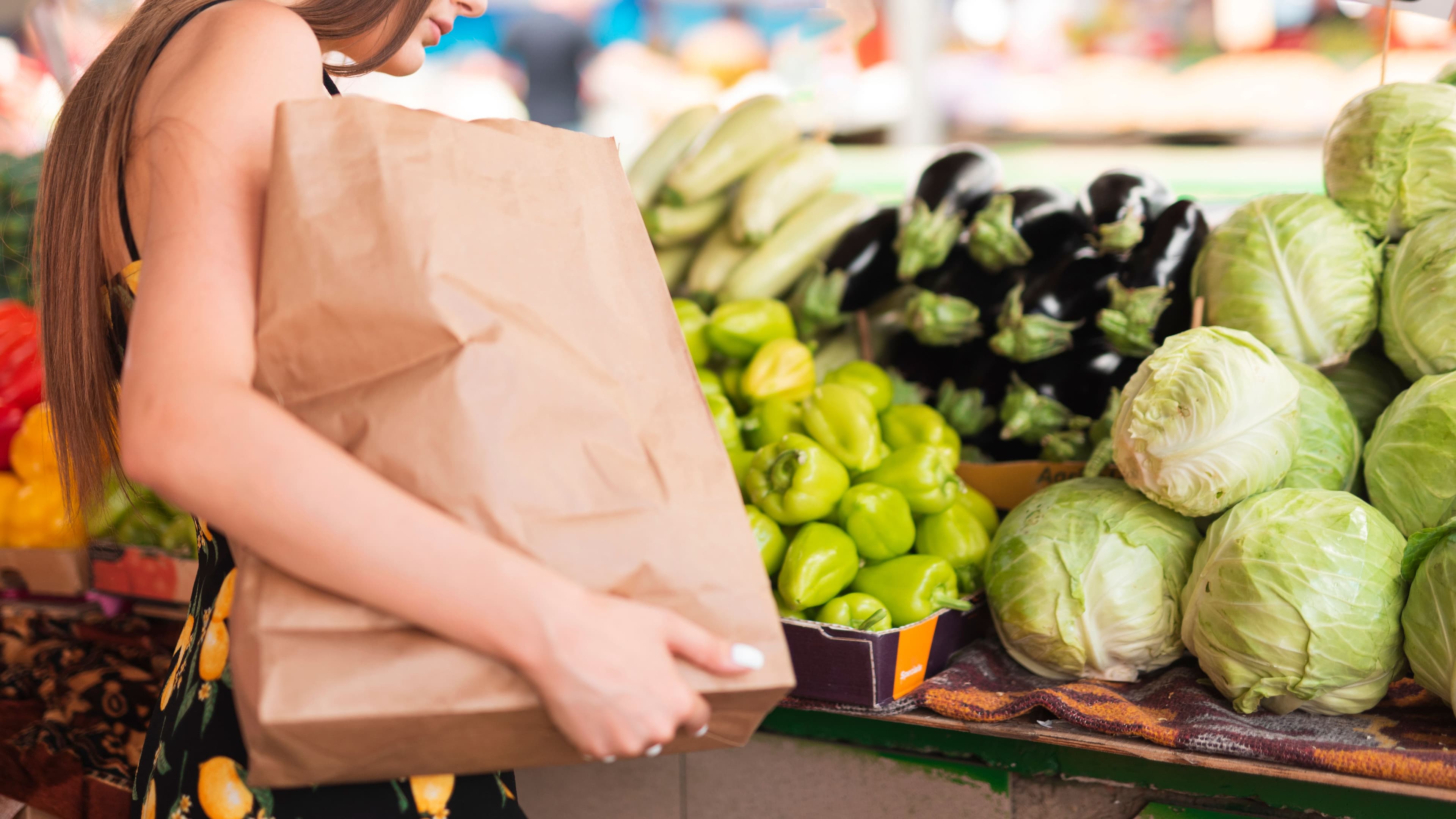
Shopping intentionally helps reduce food waste and supports a zero-waste lifestyle
So much food waste is caused by inaccurate storage techniques. Even when using the refrigerator, there are proper ways to store every food item. It is essential to learn this information to keep food fresh and prevent premature spoilage. Click here to know how to properly store different items in the refrigerator. Different zones of a refrigerator are ideal for different types of foods. Dairy and meat should be kept in the coldest areas, while produce belongs in the crisper drawers, and leftovers should be stored up front where you can see and remember them. Use airtight containers, beeswax wraps, and reusable silicone bags to preserve the freshness of your food while minimising exposure to air.
Sometimes, even with the best planning, there are bound to be some leftovers. However, leftovers don’t have to be boring. With a bit of creativity, they can become your next delicious meal. So always look for creative ways to use leftovers and scraps. Leftover vegetables can be turned into a soup or used in a roll. Overripe bananas are perfect for smoothies. They can also be baked into muffins and pancakes.

Use overripe fruit for delicious smoothies—an easy way to reduce food waste at home
Scrapes like onion skins, carrot tops, and herb stems can be simmered into a flavorful vegetable broth. Orange peels can be used to make face masks at home. When you start to think differently about your leftovers, you’ll be amazed at how little ends up in the trash. It will truly surprise you how useful these “wastes” can be.
While there are ways to make use of certain leftovers and scraps, a certain amount of food waste is unavoidable. This is where composting comes in. Composting is the best way to responsibly dispose of what’s left, while also giving back to the planet. By composting organic materials like fruit peels, vegetable ends, coffee grounds, and eggshells, you are transforming your soil into a nutrient-rich soil. This compost acts as a natural fertiliser for your garden or potted plants. Items like fruit and vegetable scraps, tea bags (as long as they’re plastic-free), and coffee grounds are compostable, while meat, dairy, oily food, and pet waste should be avoided. With the right method, composting can become a seamless and rewarding part of your kitchen routine.
Learn how to reduce food waste and save money with six easy tips and tricks by clicking here.
Creating a zero-waste kitchen doesn’t require perfection; it requires will. If you are someone who cares about the planet, then start reducing your food waste today. Discipline and consistency in maintaining the above-listed activities can help you waste less. Not only will you reduce your carbon footprint, but you’ll also save money, cook more creatively, and feel good about how you treat the planet. Every bit of food saved is a win for both your household and the environment. So what are you waiting for? Start your journey towards a zero-waste kitchen today. Share your journey on social media using the hashtag #ChefadoraZeroWasteKitchen and inspire others to do the same.
Updated on 24 Jul 2025

Save recipes from anywhere, and get answers, swaps, and help as you cook.

