We use cookies on this website to ensure its proper functioning and to improve the quality of our services. Cookie Policy
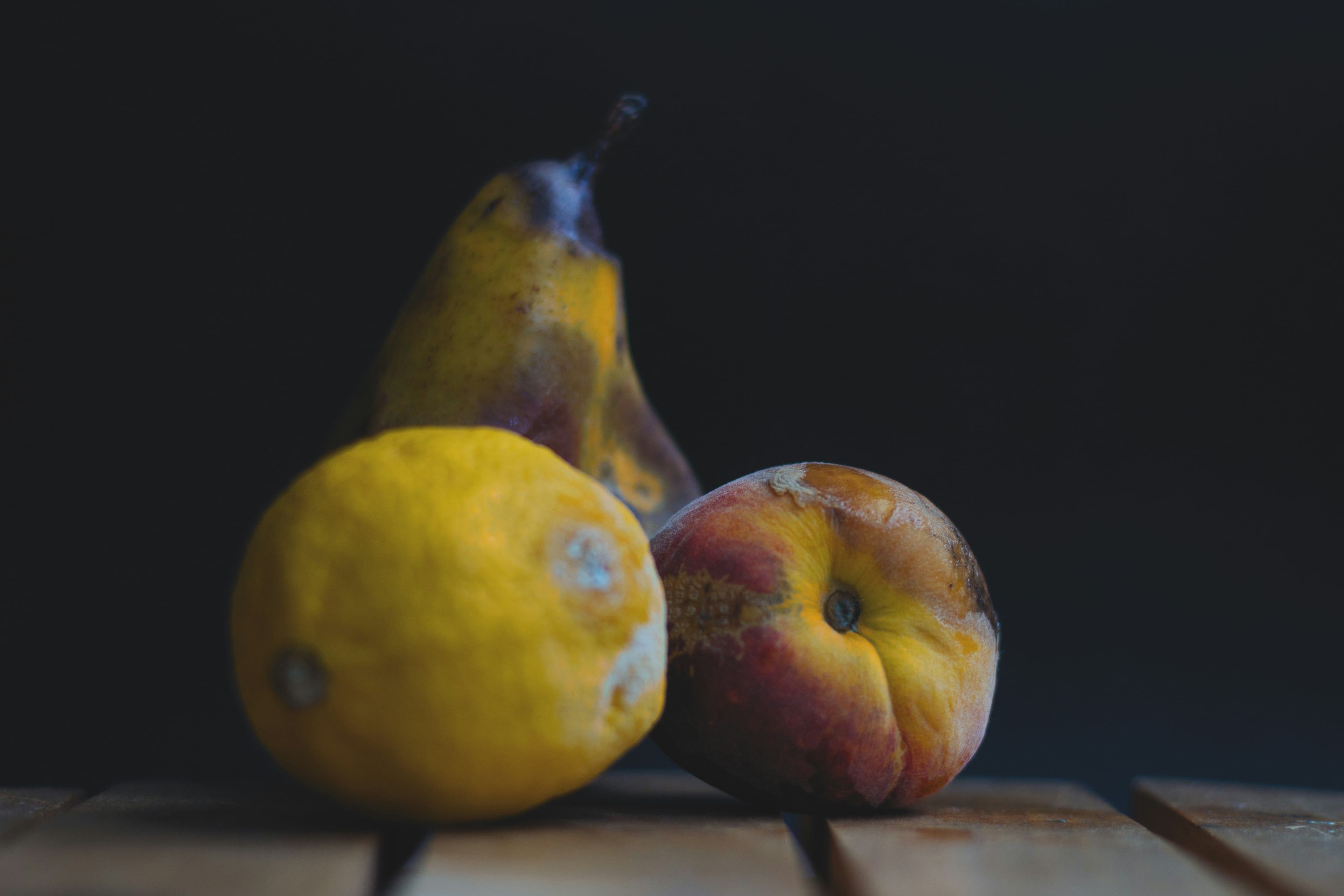
Food waste is a widespread issue. Apart from reflecting on the sad state of resource distribution in our world, it also negatively impacts both our money management and the environment. Fortunately, there are some simple steps everyone can take to reduce food waste and save money. This article sheds light on, How to reduce food waste and save money with six easy tips and tricks.
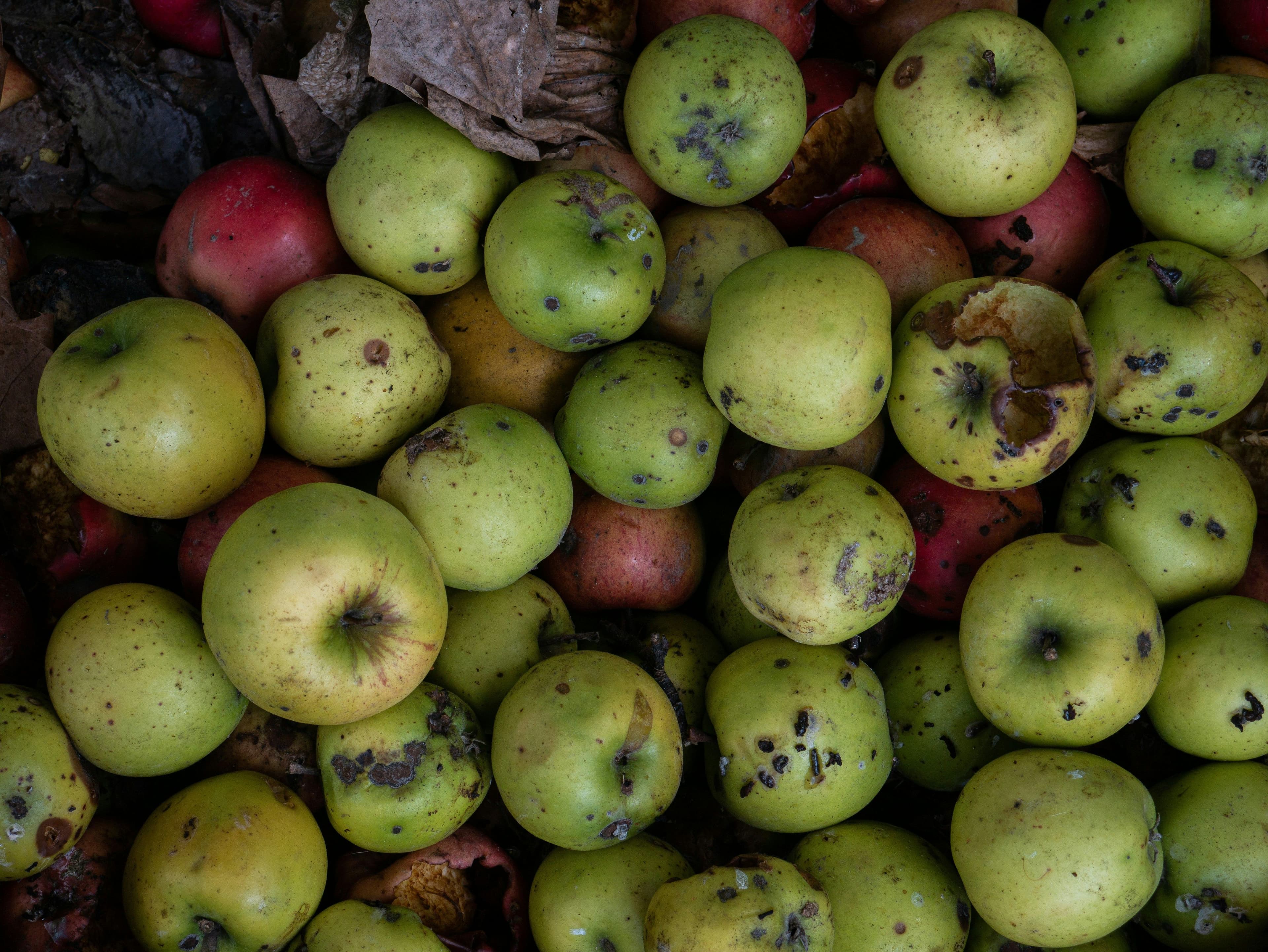
According to the Food and Agriculture Organization of the United Nations (FAO), 3.7 trillion apples are thrown in the bin every year, most of them perfectly suitable to eat.
A large amount of food waste starts with purchasing more than required. Many of us go to the market and hoard food items either because we don’t want to do this chore again soon or because the goods are being sold at a discounted price. So, you intend to save time and/or money while avoiding food waste, but over-purchasing often leads to food spoilage when you don’t plan.
To begin with, you need to sit down and plan out your meals for a week. How many meals will you be eating in the week? How many times will you be preparing your meals? What exactly do you plan on eating throughout the week? Once the meal plan is in order, you can start working on building a grocery list accordingly. Be sure to also check your pantry before making the list so you avoid buying items that are already tucked away in your storage. Once at the store, make sure to stick to the grocery list. No matter the discount, if it's not on the list, you don’t need it.
So many people struggle with the proper techniques for storing food. Placing food in your refrigerator is not equivalent to storing it. Here is a small guide to storing your food the right way:
-Store apples, avocados, bananas, pears, and stone fruits away from other produce since they release ethylene gas as they ripen, which can cause nearby produce to ripen.
-Avoid washing berries, cherries, and grapes until you’re ready to eat them, as this can help prevent mould.
-No need to place potatoes, eggplant, winter squash, onions, and garlic, in the fridge. Simply keep them in a cool, dry, dark, and well-ventilated place.
-Fruits, mushrooms, and peppers go in the low-humidity drawer of your fridge.
-Leafy greens, carrots, cucumbers, and broccoli go in the high-humidity drawer of the fridge.
-Freeze the chicken, fish, or other raw meat that you won't be cooking right away.
-Store bread or bagels in the freezer to avoid staling.
-Freeze vegetables and fruits that you won’t use in a day or two. Use frozen veggies in soups and stews, and frozen berries and bananas for your smoothies or in baking.
In a world where hunger and undernutrition kill more people than HIV/AIDS, malaria, and tuberculosis combined, about 1.3 billion tons of food are wasted each year.
“Best Before” simply means that the food’s taste, quality, and nutrient content will be altered after the said period. It does not indicate that the food is unsafe. The indicator for food safety is its expiration date. You don't need to throw away everything that crosses its best “Best Before” date. For example, milk, bread, and eggs can be consumed even if they are a few days past their best-before date. Of course, unless it has visibly gone bad, then throw it away. Make sure to look for the expiry date on the product to be sure of the time window you have left to use these products.
This simple ritual can be extremely effective in reducing food waste. A large amount of food waste occurs because we buy fresh fruits and vegetables and then push the older items to the back of the fridge. Avoid this by following the “First In, First Out” rule. Bring older items to the front when restocking. Place the older eggs in front of the freshly bought ones. Also, keep an eye out for the items in your fridge. Keep track of what’s been opened and how soon it should be used. Make sure to finish opening sauce packets, condiments, and jars before opening new ones. Also, refrain from overstocking your fridge.
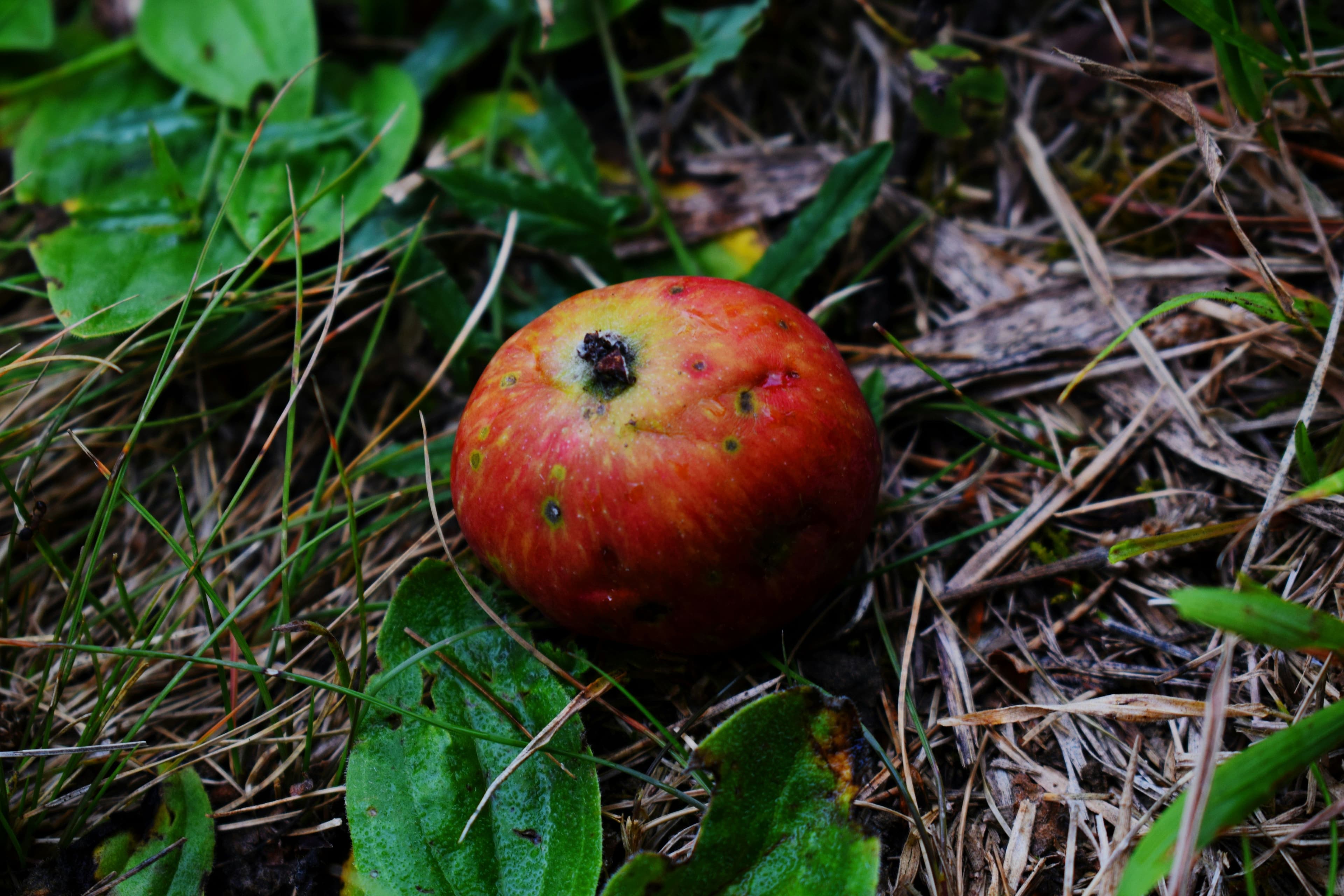
The most wasted foods include fresh produce, bread, and dairy products, largely due to spoilage or improper storage.
Yesterday’s dinner could be today’s lunch. Store your leftovers in clear containers. Make sure to place them at your eye level so that you don't accidentally forget about them. If you don't want to eat the same meal twice, reinvent them into something new. Turn cooked veggies and chicken into wrap fillings. Leftover rice can be turned into delicious fried rice. Boiled eggs can become egg salad. Get your creativity flowing and turn your leftovers into new meals. Wasting leftovers means wasting not only the ingredients but also the energy and effort that went into making the meal.
Nothing needs to go to waste, not even banana peels and eggshells. Some food waste is inevitable. A sudden power shortage or an unplanned dining out can lead to unforeseen food waste. Composting is an excellent way to recycle food scraps and waste. Consider composting vegetable peels, coffee grounds, eggshells, and other natural waste instead of discarding them. All you need to do is place a small compost bin beside the kitchen dustbin. Most Fruit and vegetable scraps, coffee grounds, and eggshells can be composted, so throw away these in your compost bins. Meat scraps, bones, grease, whole eggs, or dairy products are better off in the dustbin. Once your compost bin is full, dig a hole in your garden and add the compost there. Once the compost is ready to use, it can act as a great fertiliser for gardens, enriching the soil and promoting healthier plant growth.
Reducing food waste is not a difficult task; it is only a conscious one. With a little awareness, a lot of food waste can be avoided. By planning meals, storing food properly, using leftovers creatively, effectively arranging your fridge and pantry, keeping an eye on the product shelf life, and composting, you can save money and reduce your food wastage. By making conscious efforts, you can make the most of the food you buy and cut down on unnecessary expenses. That’s our take on how to reduce food waste and save money with six easy tips and tricks. Embrace these tips and tricks and do your part in creating a more sustainable food system.
Updated on 24 Jul 2025
Save recipes from anywhere, and get answers, swaps, and help as you cook.


