We use cookies on this website to ensure its proper functioning and to improve the quality of our services. Cookie Policy
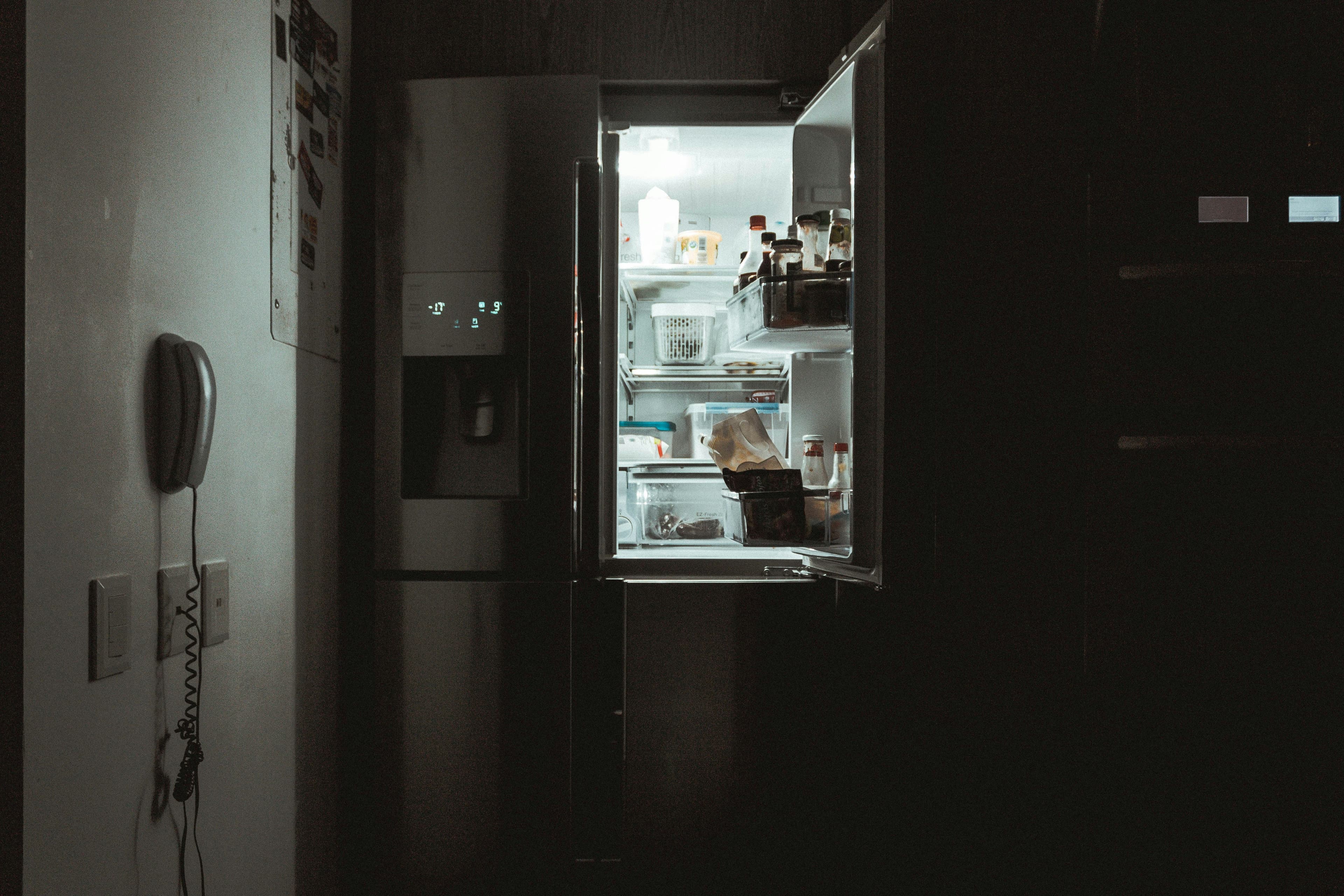
Refrigerating food is a modern reality of food management. Storing food in a refrigerator keeps it fresh and safe. Refrigerators have emerged as reliable kitchen companions, as we rely on them daily to preserve everything from leftovers to fresh vegetables. Despite our dependency on this equipment, a question often lingers in the back of our minds: Is refrigerated food always safe to eat? Well, let’s find out!
To answer the question simply, refrigerated food is safe to eat when refrigerated properly. Just like there is science in cooking, there is science in refrigeration. There are certain rules and laws to the process, which, when followed, provide the best results. All we need to do is ask the right questions. So let's do that.
The ideal duration for storing leftovers in the refrigerator is 3 to 4 days (and no longer than that). The longer your food stays there after that, the higher the risk of food poisoning.
The basic function of a refrigerator is to keep the food at a temperature that increases its longevity. Our home fridges are perfectly capable of doing that but only till the 4th day. It cannot prevent germ growth beyond that, so the purpose of the appliance is defeated. You see, the fridge was meant for household use to avoid food wastage. So it's effective in helping you manage food wastage by allowing you to store leftovers for up to 3 to 4 days, but it was not built as a food storage appliance - so expecting it to work that way isn’t very practical to begin with. If you want to store something for longer than that, consider freezing it instead. Frozen food will be safer to consume even after a long time.
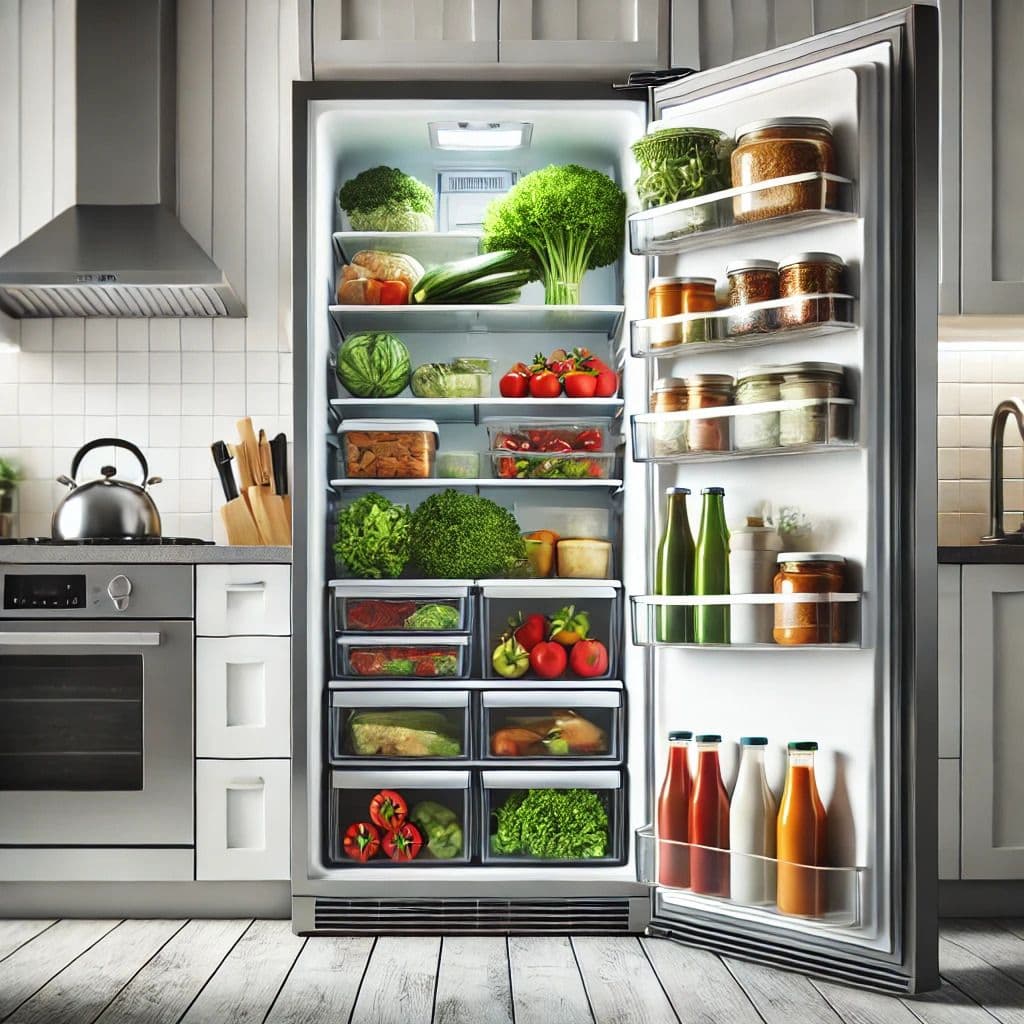
Refrigeration for food, is it a blessing or a curse?
If the leftovers have been sitting in the fridge for more than 3 to 4 days, the possibility of bacteria growth increases. It is important to understand that refrigerators don’t prevent bacteria growth; they just slow down the process. So, if your fridge is at the right temperature, it will successfully delay bacterial growth until day four.
According to the FDA, the ideal temperature of your refrigerator should be 40° F or below, and the freezer temperature should be 0° F or below.
After four days, despite the food smelling and looking fine, it might contain bacteria in them that can make you extremely sick. Eating old refrigerated food can lead to several foodborne diseases.
Pet owners should take special care to avoid cross-contamination when washing the dishes to avoid Listeriosis.
E.Coli: A group of bacteria that can cause infections in your gut and urinary tract and make you sick with diarrhoea, nausea, fatigue, vomiting, and a fever. E.Coli bacteria normally live in your gastrointestinal (GI) tract, helping you digest your food without hurting you, but harmful strains of E.Coli can lead to severe illness and even liver damage.
Yersinia: Mostly found in pork, Yersinia bacteria can also be acquired from drinking contaminated milk. The symptoms of this disease include fever, belly pain, and sometimes bloody diarrhoea. Refrigerators account for approximately 17% of total global electricity usage in households, making them a significant part of energy consumption.
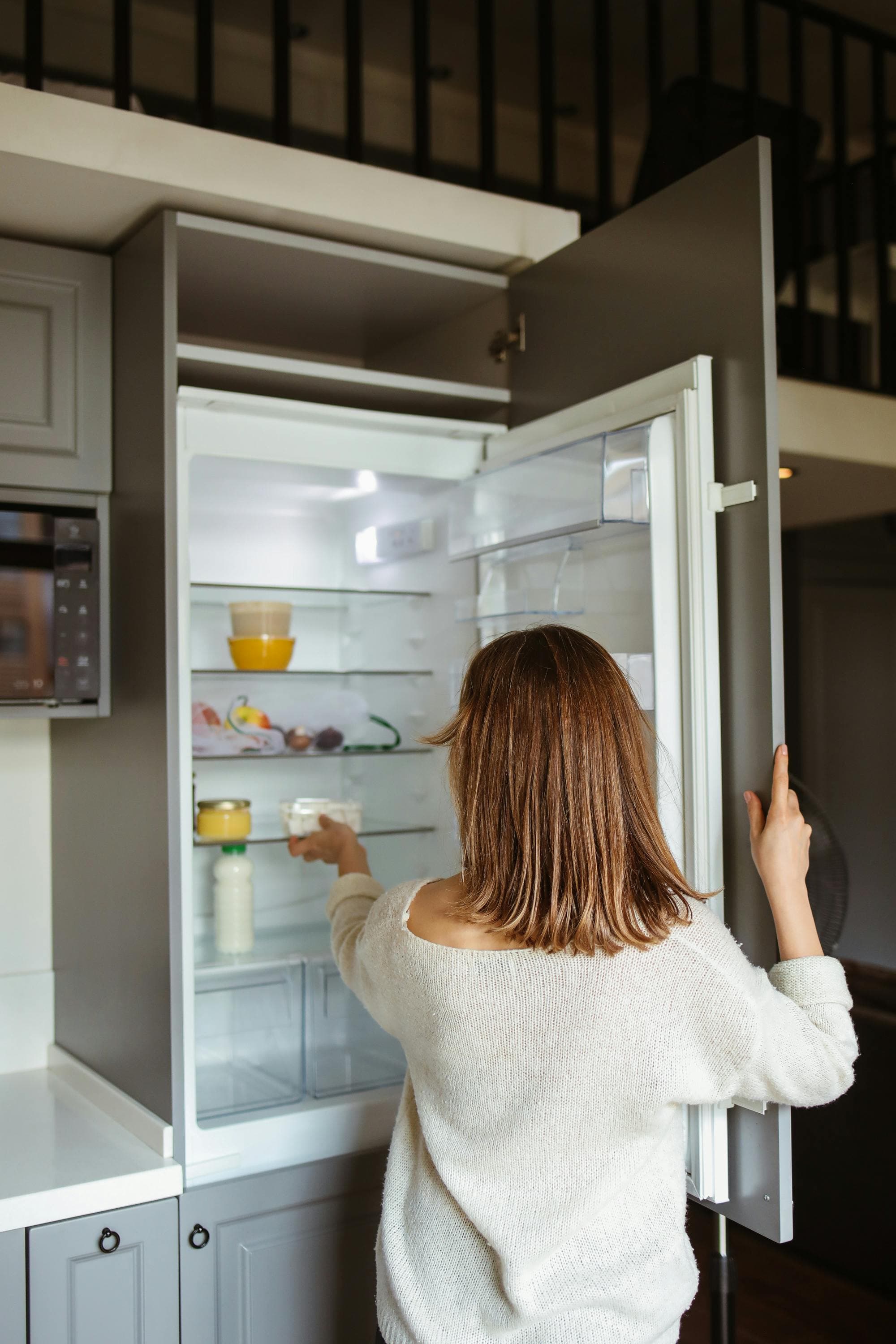
Refrigerators account for approximately 17% of total global electricity usage in households, making them a significant part of energy consumption.
By now, you already know the ideal temperature for your refrigerators. The first thing you need to understand is that you should avoid overcrowding our refrigerators. That could impact air circulation and, in turn, cause food to fail to be protected. Different food products are meant to be stored differently. Let’s look at some of the regular fridge residents and where you should place them:
Meat, Poultry, Seafood & Eggs: Special care should be taken when storing these items. These items require refrigeration in general. They are not meant to be kept at room temperature. So make sure to place them inside the fridge immediately after coming home. Ensure they do not sit at room temperature for more than 2 hours. Pack them in tightly sealed containers and place them on the bottom shelf of your fridge, as that is usually the coolest part.
Dairy Products: Contrary to common belief, you should not keep milk on one of the door’s shelves as they are usually one of the warmer spots in the fridge. Also, they constantly experience temperature fluctuations caused by opening and shutting the door. You can store butter on one of the door’s shelves.
Condiments: Mustard, ketchup, sauce, and vinegar can go on the door compartments of your fridge, as these ingredients usually don't need to be refrigerated, but they may benefit from being kept cold. Condiments that contain dairy, like sour cream, should be placed on one of the shelves instead of the door.
Fruits and Vegetables: With some exceptions like potatoes, winter squashes, onion, whole garlic, and unripe bananas, fruits and vegetables should be placed in the drawers, away from the rest of the items.
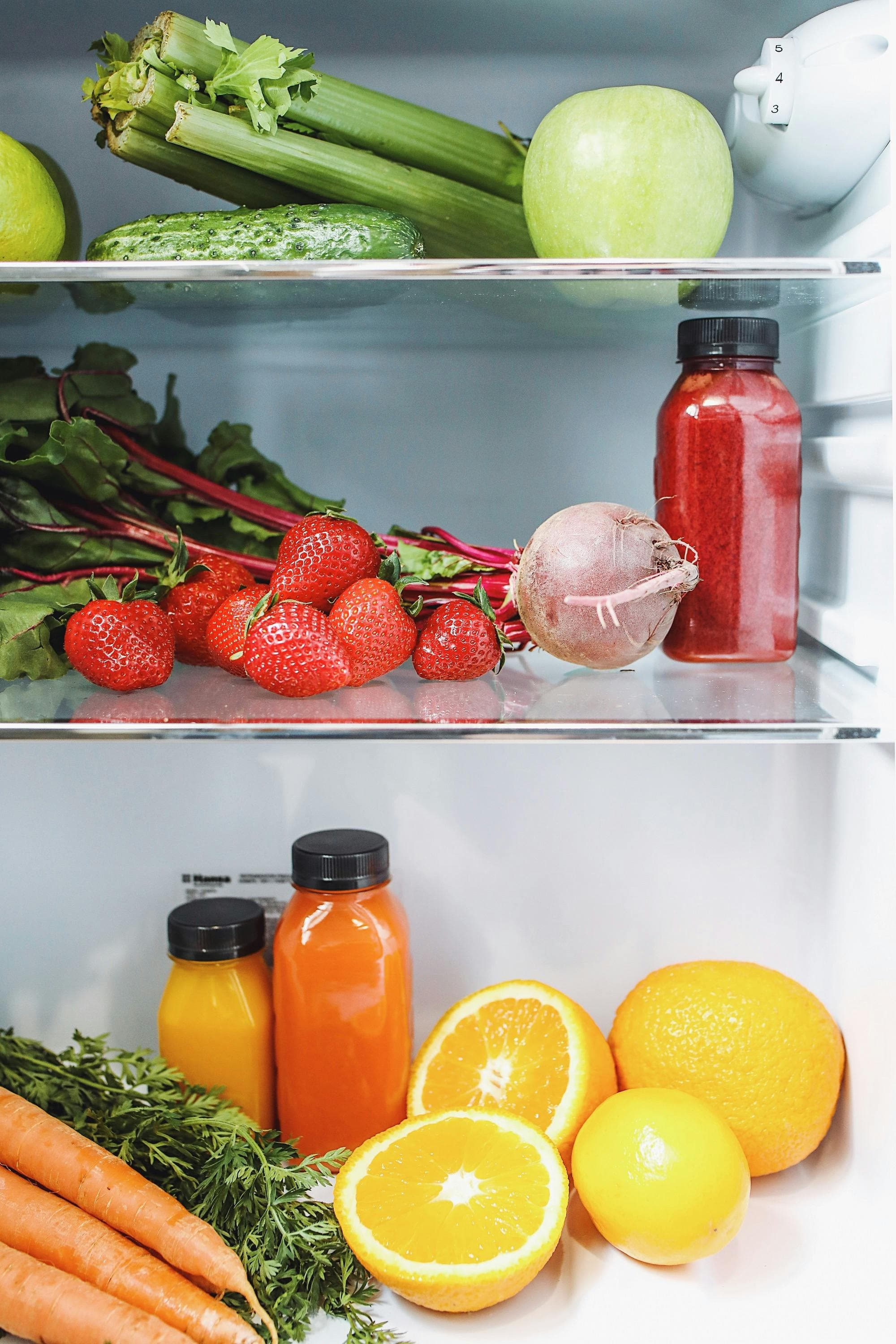
To prolong the life of fruits and vegetables, it is best to store them in separate compartments.
Make sure to look it up if you are ever confused regarding a certain food, rather than making an assumption and acting on it.
Any time you place a cooked item or sliced fruit in your fridge make sure to cover them before storing them. Uncovered food can spread its odour to other food items if it starts fermenting. Make sure to check the storage instructions on packaged food for effective storage. When storing leftovers, make sure to store them in a tightly sealed container.
Avoid storing herbs in the fridge as it dries them out. Instead, place them in a small container away from direct sunlight with their roots and stem soaking in room temperature water.
Fruits and vegetables brought from the market should be washed thoroughly and dried with a cloth before being stored in our fridge. This is to ensure that all the bacteria and dust set at the fruits and the vegetables can be washed away, which can contaminate other ingredients. It is also extremely important to thoroughly clean the fridge every 10 days to maintain the hygiene of the product.
If the food is frozen, allow it to thaw before heating it. Once you start heating it, make sure to reheat it all the way through, ensuring even heating. One of the best ways to do so is by letting it sit on the burner until it is piping hot. You can easily opt for a microwave or oven instead of a stove.
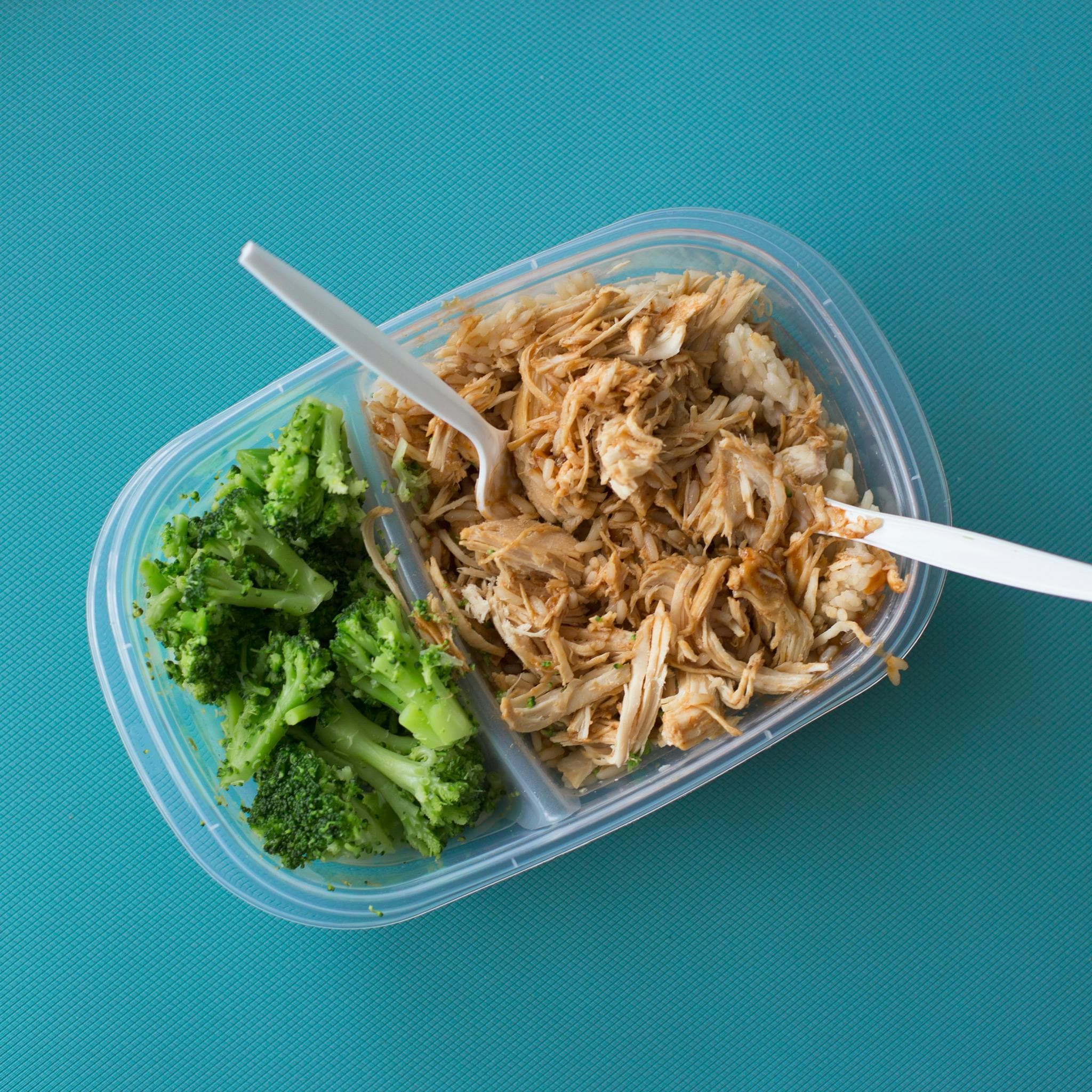
Raw chicken should be refrigerated at or below 40°F (4°C) and can typically last 1-2 days. Cooked chicken can stay fresh for 3-4 days under the same conditions.
In this section, we will look at some of the most common beliefs regarding refrigeration and see if they are true or not:
Spills in the refrigerator can lead to diseases if not cleaned in time. Fact. Compromising with your fridge’s hygiene can lead to diseases.
Properly frozen food, when cooked, is actually safe? Even better than ordered food. Fact. Home-cooked healthy meals, when stored according to the guidelines, are better than ordered food.
Food can be stored anywhere in the fridge. Myth. Different parts of your fridge regulate air differently. There are preassigned spaces for different food items in your fridge. Raw meat, seafood, or eggs should be kept separate from other items in tightly sealed containers at the bottom of your fridge, as it is usually the coolest part.
Only animal products cause foodborne diseases. Myth. Fruits and vegetables may also carry a risk of foodborne illness. If not washed and stored carefully, they can be just as harmful.
Organic food is completely safe to eat before washing. Myth. They are comparatively more nutritious and may carry more environmental benefits as they are not exposed to chemical pesticides and fertilizers but they still may carry harmful bacteria.
The infamous Five-Second Rule. Myth. A better rule would be, if you can wash it you can eat it. Five seconds is enough for harmful agents to contaminate your food, so it's better to be safe than sorry.
Refrigerated food is safe to eat when handled and stored properly. By following the guidelines and maintaining your refrigerator’s hygiene, you can minimise the risk of foodborne diseases. A little more care and consideration towards your storing habits and awareness of your cooling appliance limitations can largely impact the safety of your food. By staying away from myths and adhering to proper refrigeration practices, you can enjoy the convenience of refrigerated food while protecting your health and that of your loved ones.
Updated on 10 Dec 2025
Save recipes from anywhere, and get answers, swaps, and help as you cook.


