We use cookies on this website to ensure its proper functioning and to improve the quality of our services. Cookie Policy
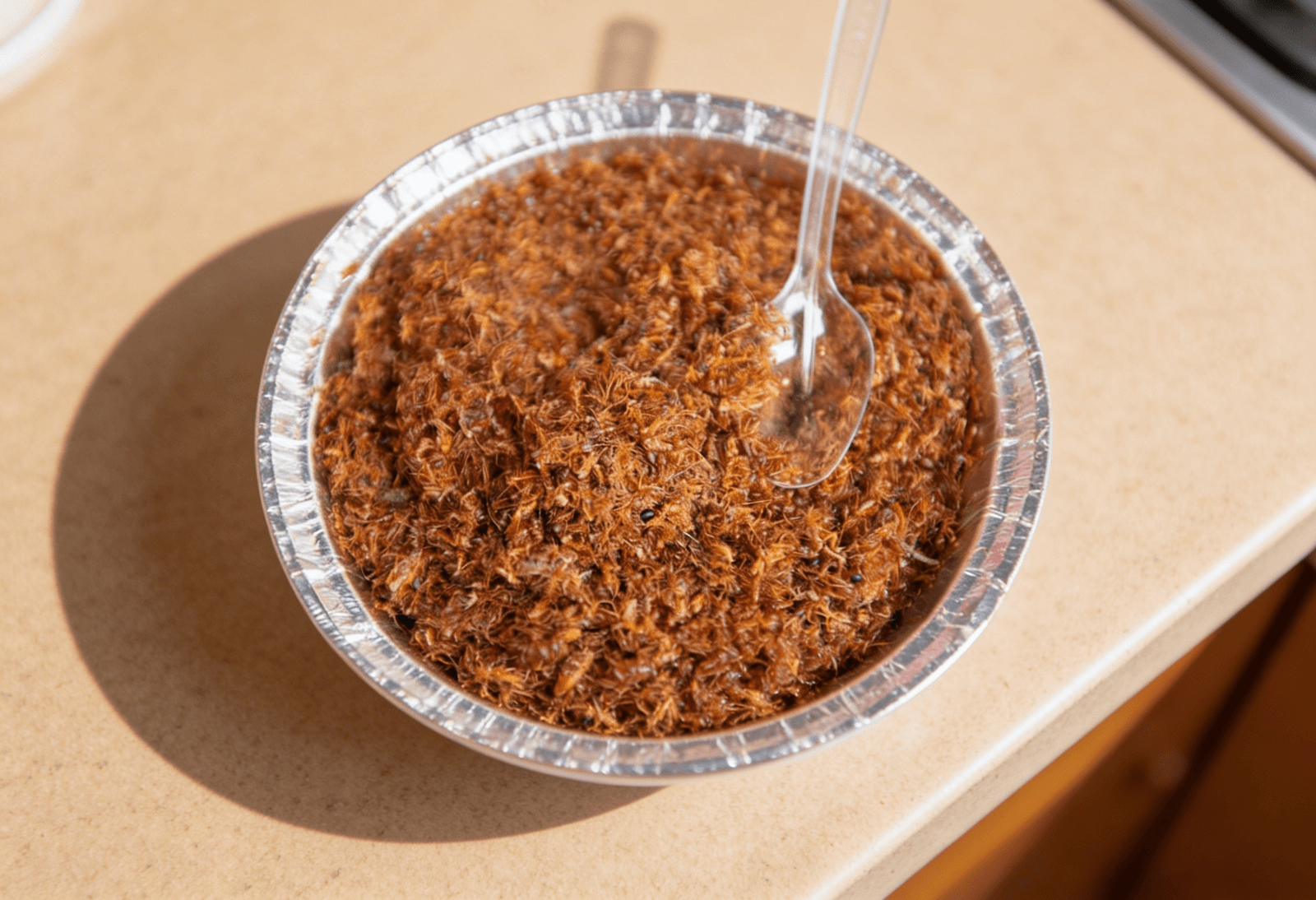
Would you eat a chutney made from ants?
That might sound wild. But for tribal communities in eastern India, kai chutney (red ant chutney) has been a daily staple for hundreds of years. It is packed with protein, loaded with vitamins, and so delicious that even Gordon Ramsay called it the "world's best chutney."
In 2024, kai chutney received a GI (Geographical Indication) tag from the Indian government. That put this tiny tribal condiment on the global food map. So what exactly is kai chutney? How is it made? And why is everyone talking about it?
Kai chutney is a traditional condiment made from red weaver ants (Oecophylla smaragdina). The word "kai" comes from the local name for red weaver ants in Odisha's Mayurbhanj district.
This red ant chutney goes by many names across India. In Chhattisgarh, people call it chapda chutney or chapra chutney. In Jharkhand and West Bengal, it is known as kurkut chutney. The Santal tribal community of Mayurbhanj has been making kai chutney for centuries. It is deeply tied to their food traditions and way of life.
The process starts long before any grinding happens. Red weaver ants build nests high up on mango, sal, and jackfruit trees using leaves stitched together with silk from their larvae. Harvesting these ants is tough work. The male ants are aggressive, and their bites are painful. They also spray formic acid, which causes a burning feeling on the skin.
Traditionally, men climb the trees and cut down branches with nests. They are careful to leave mature ants behind so the colony can rebuild. Only larvae and younger ants are collected.
Women then clean the ants by removing leaves, pebbles, and mud with thin bamboo sticks. The cleaned ants and their eggs are ground in a stone mortar with garlic, green chilies, salt, mint leaves, and mustard oil. Some recipes also include ginger, coriander, tomatoes, and shredded coconut.
If you love Indian condiments, Chefadora has a great collection of chutney recipes to explore. Try this Authentic Coconut Chutney or this Curry Leaves Chutney for classic South Indian flavors.
Scientists from OUAT (Odisha University of Agriculture and Technology) studied the nutritional content of red weaver ants. The results were impressive. Red weaver ants are rich in protein, calcium, zinc, vitamin B-12, iron, magnesium, potassium, amino acids, and formic acid (a natural antibacterial).
Tribal healers have long used kai chutney as a natural remedy for colds, flu, poor appetite, weak eyesight, arthritis, and ringworm infections. Some communities also prepare a medicinal oil by soaking the ants in mustard oil. This oil is used for babies and to treat joint pain.
Eating insects for nutrition is called entomophagy. It is practiced worldwide and is considered a sustainable protein source that is better for the environment than traditional livestock farming.
The global spotlight on kai chutney started in 2010. Celebrity chef Gordon Ramsay was filming a documentary about Indian food. He visited the Bastar region in Chhattisgarh and tried chapda chutney for the first time.
His reaction? He said it was "hot but absolutely delicious" and that he was "never going to touch mango chutney for the rest of my life." He later added red ant chutney to his restaurant menu. Since then, restaurants like Farmlore in Bengaluru and Papa's Bombay in Mumbai have featured it too.
In tribal homes, kai chutney is an everyday food. It is most commonly served with finger millet gruel for breakfast, pokhalo (rice soaked in water) for lunch, or alongside roti and rice with ghee. The chutney is spicy, tangy, and pungent. The formic acid from the ants creates a unique sour kick you will not find in any other condiment.
For more traditional Indian condiment ideas, try a Red Chutney or Green Mango Chutney from Chefadora. If Odisha's food culture interests you, check out Chenapoda, a beloved Odia baked dessert. And for another Chhattisgarh specialty, try Farra, a classic rice flour street food from the same region.
On January 2, 2024, Similipal Kai Chutney from Mayurbhanj officially received the GI tag. A GI tag is a seal of authenticity. It means the product is unique to a specific region and protects it from imitation.
This recognition put kai chutney on the same list as Darjeeling Tea and Tirupathi Laddu. For around 500 tribal families in Mayurbhanj who depend on red ant collection, this is a huge deal. Red weaver ants sell for 400 to 600 rupees per kilogram, and the finished chutney sells for around 1,000 rupees per kilogram.
Q1. What is kai chutney made of?
A1. Kai chutney is made from red weaver ants and their eggs, ground with garlic, green chilies, salt, mint leaves, and mustard oil. Some recipes add ginger, coriander, tomatoes, and coconut.
Q2. Is red ant chutney healthy?
A2. Yes. Red weaver ants are rich in protein, calcium, zinc, vitamin B-12, iron, and magnesium. The formic acid in the chutney has natural antibacterial properties.
Q3. Why did kai chutney get the GI tag?
A3. Kai chutney received the GI tag on January 2, 2024, because it is a unique product tied to Odisha’s Mayurbhanj district. The tag protects its traditional recipe and benefits the tribal families who make it.
Q4. Did Gordon Ramsay really eat red ant chutney?
A4. Yes. Gordon Ramsay tried red ant chutney during a 2010 documentary trip to India’s Bastar region. He called it the “world’s best chutney” and later added it to his restaurant menu.
Q5. What does kai chutney taste like?
A5. Kai chutney is spicy, tangy, and pungent. The formic acid from the ants creates a sour kick, while garlic, chilies, and mint add heat and freshness.
Q6. Where can I buy red ant chutney in India?
A6. Red ant chutney is sold in local markets across Mayurbhanj, Bastar, Keonjhar, and Sundargarh districts. Tribal food festivals and the Belgadia Palace in Mayurbhanj also offer it.
Q7. Is eating insects common in India?
A7. Yes, in many tribal communities across eastern and northeastern India. Red ants, silkworms, hornets, and cicadas are all part of traditional diets in these regions.
Q8. Can I make kai chutney at home?
A8. You would need red weaver ants, which are mainly found in eastern India’s forests. The preparation also requires safe handling knowledge because of the ants’ painful bites and formic acid spray.
Q9. Is red ant chutney the same as chapda chutney?
A9. Yes. Kai chutney, chapda chutney, chapra chutney, and kurkut chutney are all names for the same red ant chutney. The name changes by region.
Q10. Is red ant chutney safe to eat?
A10. For the tribal communities who have eaten it for centuries, it is completely safe. If you have allergies to insect stings, consult a doctor before trying kai chutney.
Kai chutney is proof that some of the most powerful foods come from the most unexpected places. A handful of ants, some garlic, a few chilies, and centuries of tribal knowledge created something that even a Michelin-star chef could not resist.
Posted on 26 Feb 2026

Save recipes from anywhere, and get answers, swaps, and help as you cook.

