How to Create a Healthy Food List That’s Practical and Not Overwhelming for Your Readers
A Step-by-Step Guide to Building a Healthy Food List That Works in Real Life—Not Just on Paper
by Ishita Shree
Shifting to a healthy diet might seem like a task when you can’t afford a nutritionist. With so many rules, emerging claims, and “superfoods” out there, it is difficult to keep track of a simple, sustainable, healthy food list. What to eat, what not to eat, and what not to eat together—there are an array of questions when it comes to it.
Table of Contents
In this article, you'll learn how to create a balanced and practical healthy food list without getting stressed. Whether you are a home cook wanting to keep your family healthy or a recipe writer wanting to create a healthy food list for your readers, this guide is made to help you.
Why Having a Healthy Food List Matters
Before we understand the what, let's look into the why. Why does having a healthy food list matter? There are several benefits to a healthy food list. Firstly, it helps make the decision-making easier. When you know what not to eat and what to eat, it gets easier deciding what to cook for every meal, which, if you are a regular cook, you know how much of a hassle it is. It also prevents any impulsive, unhealthy choices from manifesting. Because you already have a guide, the chance of wandering towards unhealthy choices reduces.
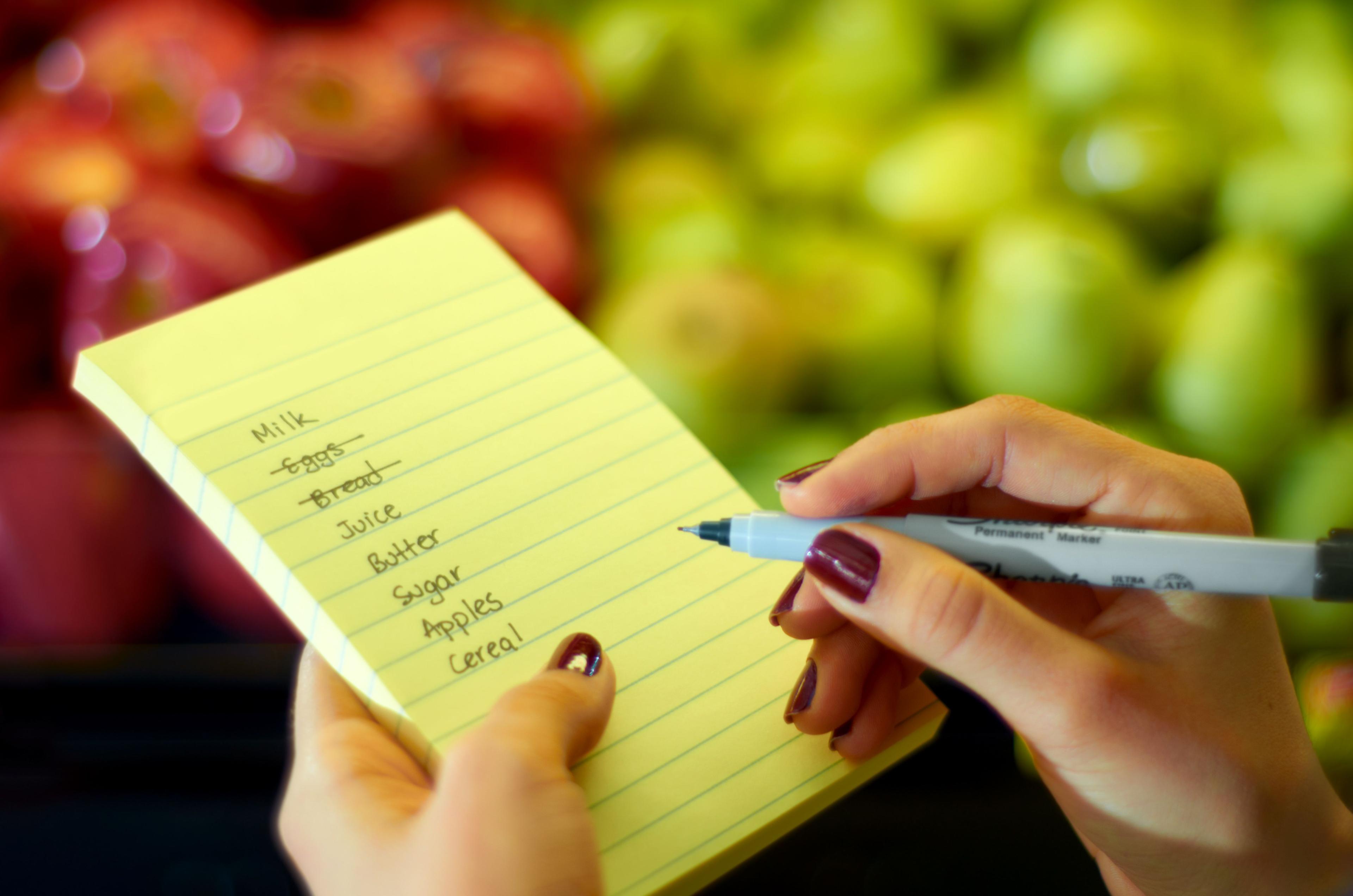
Having a food list also helps you plan and budget your groceries better. There is less confusion and fewer unprofitable investments in products and produce. Having a food list in place also supports consistent, long-term healthy eating habits, which is the actual purpose of this entire thing in the first place.
The Core Principles of a Practical Food List
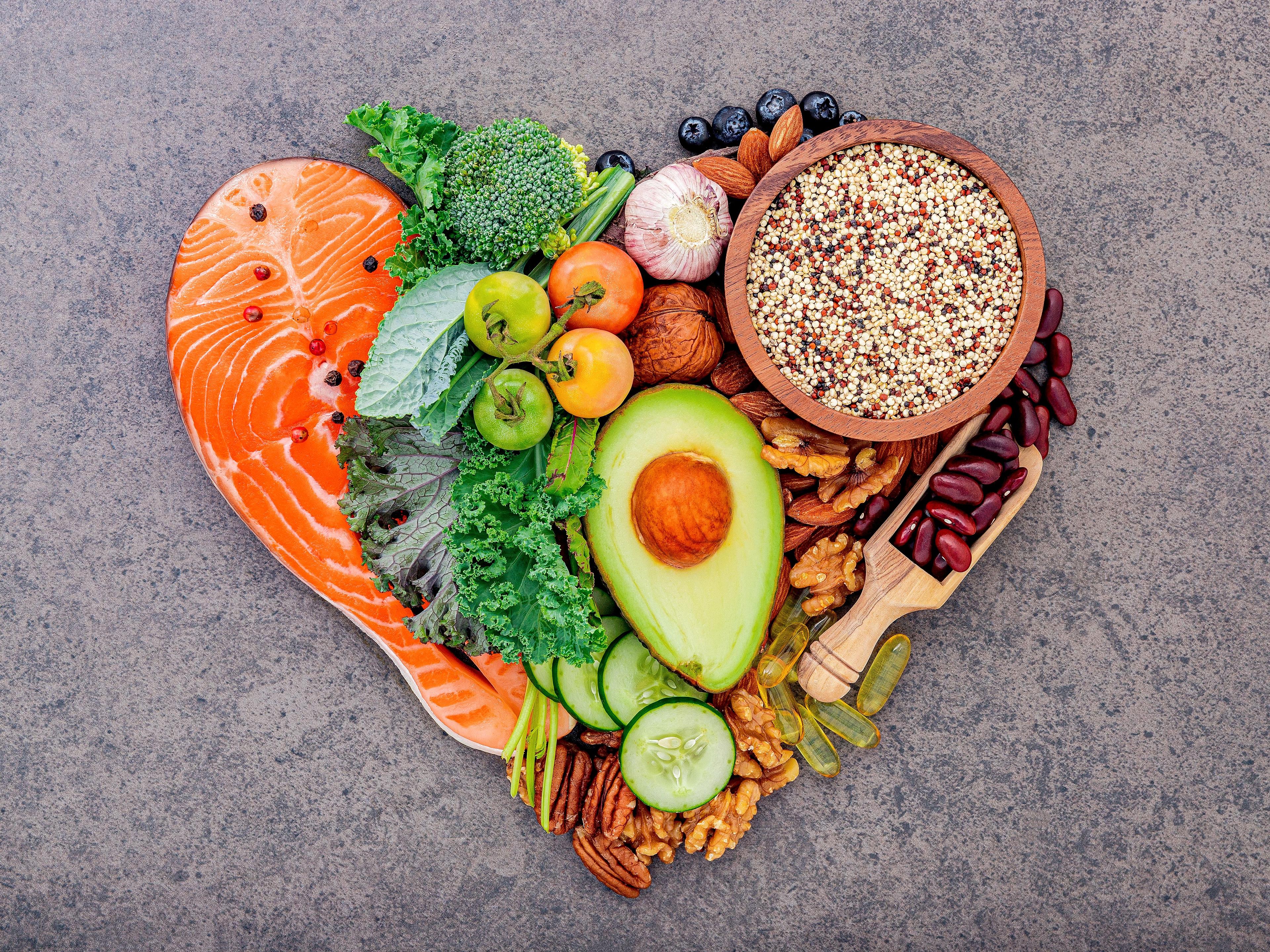
When creating a food list, follow simple healthy eating guidelines: Focus on getting whole, minimally processed foods. Include macronutrients like complex carbs, lean proteins, and healthy fats. Always allow room for treats and preferences. Lastly, consider what is easily accessible and affordable to you.
Essential Food List Categories:
- Fruits & Vegetables
- Whole Grains
- Proteins (plant and animal)
- Healthy Fats
- Beverages & Hydration
According to Harvard T.H. Chan School of Public Health, these five ingredients combine to make a Healthy Eating Plate.
How to Create a Healthy Food List Step-by-Step
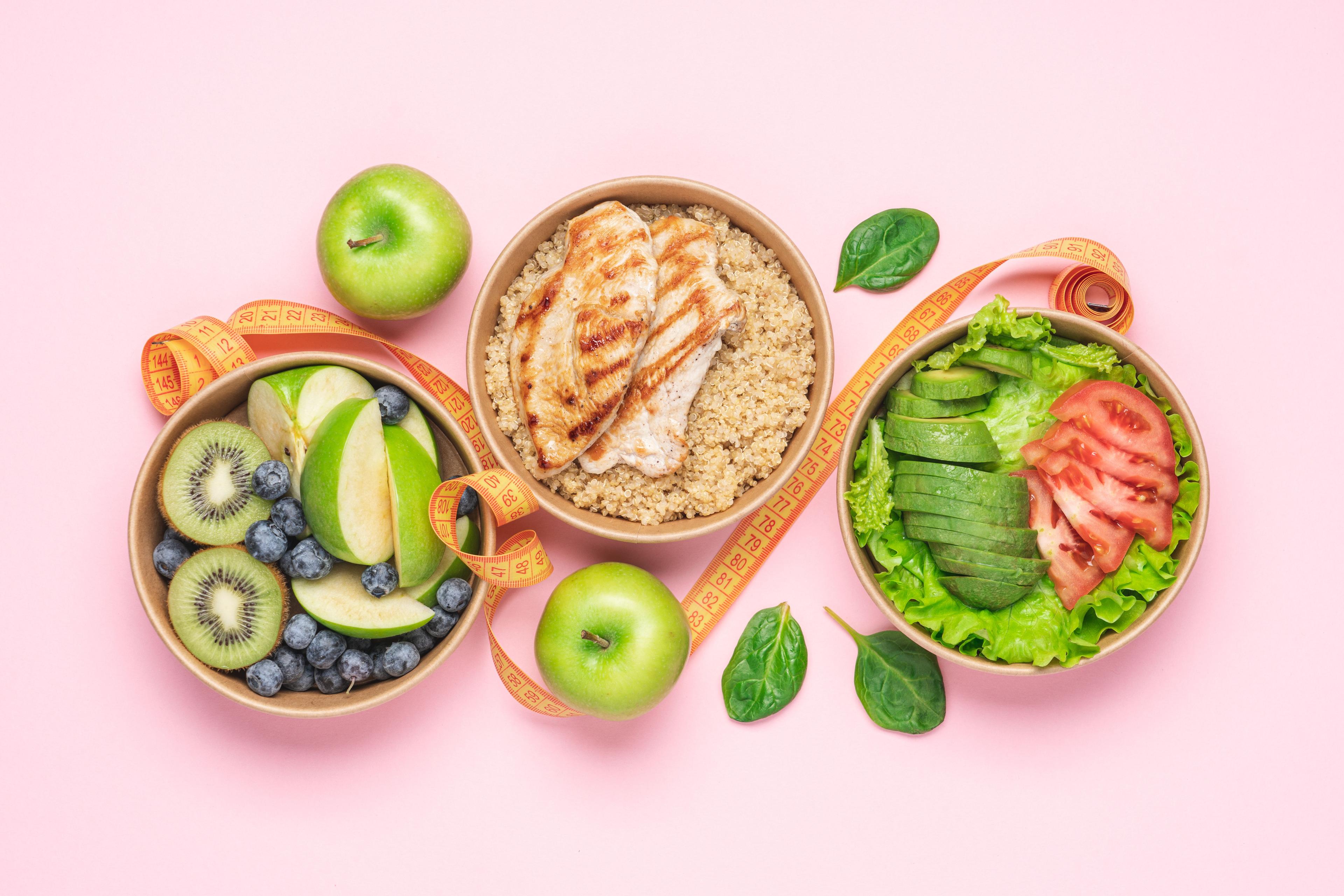
Now that we know the must-haves for building a healthy food list, let's take a step-by-step approach to making a healthy grocery list. Step-by-Step Process:
-
Pinpoint the goal. Whether you are a home cook or a food creator, identify the goal of the people following this list. Do they want to lose weight? Do they want to gain weight? Or are they looking to enhance their energy?
-
Once you have the goal, you know which ingredients to focus on, and you can choose 5 to 7 items from that food category to include in the list.
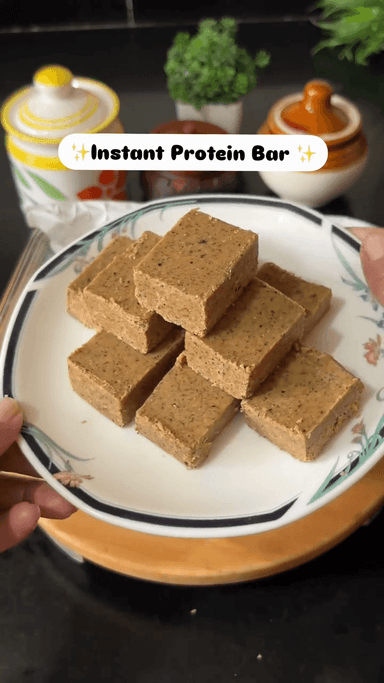
Want to plan meals according to Nutrients? Just add '/nutritionalData' to any Chefadora recipe URL to see its complete nutritional profile. To give you an idea, here is the nutritional profile of the homemade Protein Bar recipe.
-
Ensure you avoid excessive repetition and balance with variety to keep this plan running longer.
-
While making a list, think of what you will cook with them. Visualizing and planning the meals before buying the ingredients may help avoid confusion.
Sample Healthy Food List
If you are still confused, worry not! Here is an example of a healthy grocery list for you. This list includes ingredients from all five must-have sections to build a healthy food list. You can pick ingredients from here to add to your list. As discussed in the last section, consider your family, the reader, and your nutritional needs and then select accordingly. For example, if you are making a meal plan for a postpartum mother to regain strength after childbirth, include more than the usual amount of protein she takes.
Example List:
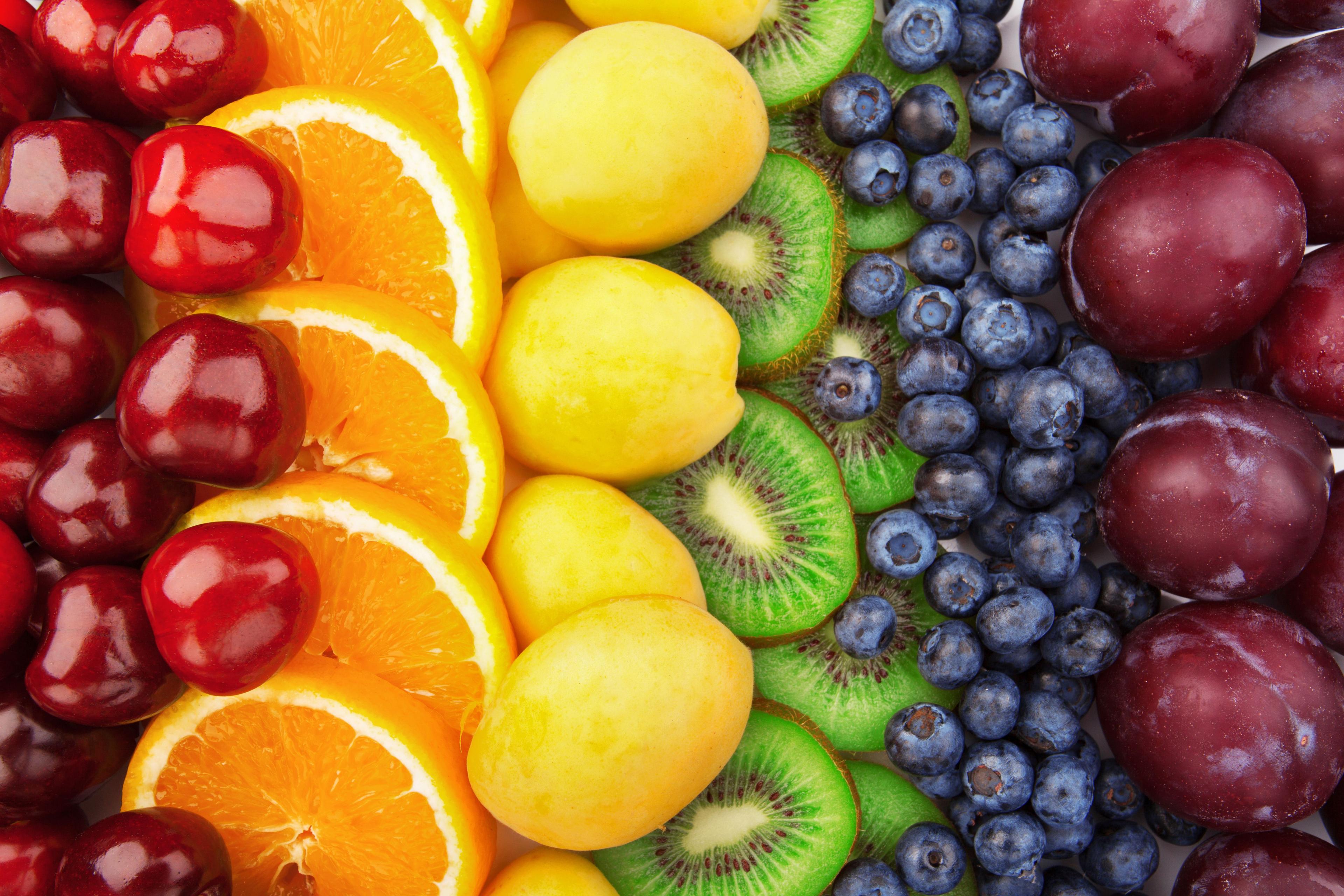
Fruits & Veggies:
- Leafy greens (spinach, kale)
- Broccoli, carrots, peppers
- Apples, berries, bananas
Proteins:
- Eggs, chicken breast, Greek yogurt
- Lentils, black beans, tofu
Grains:
- Brown rice, oats, and whole grain pasta
Fats:
- Olive oil, almonds, and avocado
Hydration:
- Water, herbal tea, Milk
Mistakes to Avoid When Creating a Food List
Most people make some common healthy eating mistakes, like making their diet too restrictive, which leads to burnout, ignoring budget and accessibility while planning the diet, or avoiding snacks and comfort foods entirely. In the longer run, these harm healthy eating habits more than help them.
Instead of avoiding snacking, explore healthy snacking. It's a sustainable way to maintain a healthy diet while not missing out on the joy of food. Click here for some healthy snack ideas.
Tips to Help Readers Stick With the List
A food list is only helpful if it’s used consistently. Encourage these habits to maintain sustainable healthy eating habits:
- Keep it visible: Stick it in the fridge or save it to a phone note.
- Prep once, eat often: Batch cooking helps reduce weekday stress.
- Use the 80/20 rule: Aim for consistency, not perfection.
- Make changes gradually: Swap in 1–2 new items each week.
Here’s how you can write a healthy snack recipe that your readers will love to revisit.
Creating a healthy food list doesn't have to be restrictive or complicated. Remember, the best way to show yourself love is by caring for your body and making healthy choices. So don’t think of this process as a torturous experience you have to go through. Eating healthy can be fun. Just keep it simple, flexible, and aligned with your and your audience’s lifestyle to initiate a change that does not result in burnout.
Updated on 10 Dec 2025
About the author
Ishita ShreeIshita Shree wrote for the Chefadora blog from November 2024 to June 2025, mostly in its Health and Nutrition and Chefadora Spotlight categories.
More from Ishita Shree
Your recipes can talk now 👀
Save recipes from anywhere, and get answers, swaps, and help as you cook.
