We use cookies on this website to ensure its proper functioning and to improve the quality of our services. Cookie Policy
When you hear the words healthy snacks, what comes to mind? If you're like most people, probably something bland, dry, or vaguely cardboard-esque. But healthy snack recipe writing doesn’t have to mean sacrificing flavor. In fact, it shouldn’t. Whether you’re a food blogger, a nutritionist, or just someone passionate about tasty, nourishing food, your recipes should inspire excitement—not resignation.
This article will teach you how to write healthy snack recipes that are as delicious and crave-worthy as they are nutritious. Say goodbye to “guilt-free” clichés and hello to real flavor, texture, and personality.
Let’s face it—diet culture has done a number on how we write about food. For years, healthy snacks were marketed as “low-calorie,” “skinny,” or “sugar-free,” which made them sound more like punishments than pleasures. The problem? People don’t eat food labels. They eat for flavor, comfort, and satisfaction.
In fact, according to a 2022 Mintel report, taste remains the #1 factor influencing snack choices, even among health-conscious consumers. So if your healthy snack recipe doesn’t sound delicious, it won’t get the clicks, saves, or shares it deserves.
If you want your recipe to stand out in a saturated market, it needs to taste good on paper. Here’s how to infuse flavor into your writing—and your snacks.

Good recipes can end up being the celebration staple of many families,
Skip the artificial sweeteners and fat-free substitutes. Use real, whole foods to build deep, satisfying flavors.
Spices and herbs: cinnamon, smoked paprika, rosemary, cumin
Umami boosters: miso, tamari, roasted nuts, nutritional yeast
Natural sweeteners: dates, maple syrup, ripe bananas
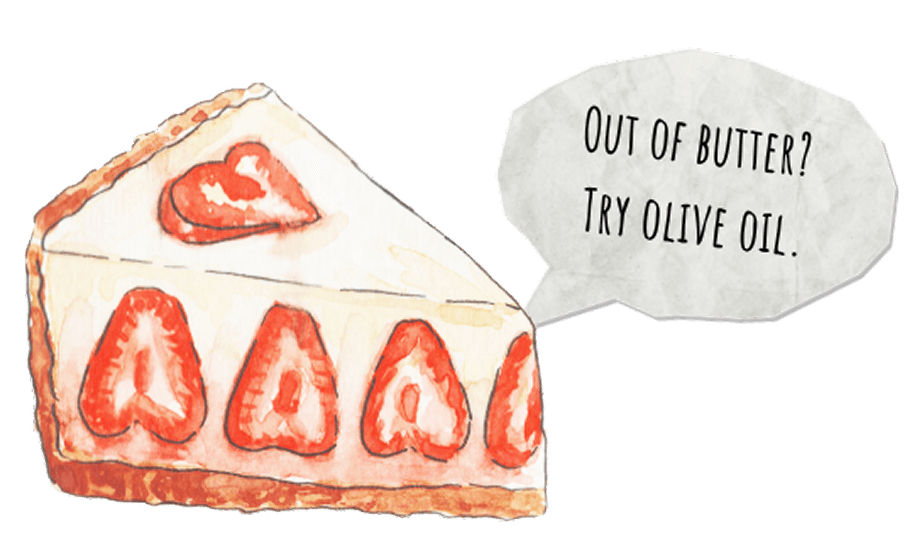
Smart fats: avocado, tahini, nut butters, olive oil
A great snack is never one-note. Combine different textures—think crisp apple slices with creamy almond dip or crunchy roasted chickpeas with soft dried fruit.
Use sensory-rich language to capture the snack’s true essence. Instead of “low-fat granola bar,” say “chewy almond-honey bar with crunchy flaxseed clusters.”
Pro tip: Your goal isn’t to convince people the snack is healthy. Your job is to make them want it.
Writing a healthy snack recipe isn't just about listing ingredients—it's about telling a mini story that makes someone crave what you’ve created. Here are some tips to make your recipe writing pop.
Words like “toasty,” “buttery,” “zingy,” “silky,” and “caramelized” make a snack feel alive on the page. Avoid generic terms like “tasty” or “nice.”
Write like you’re talking to a friend. Use friendly, actionable steps. Instead of “combine ingredients,” say “toss everything into a bowl and stir until it smells amazing.”
Banish boring recipe names like “low-sugar bites.” Try:
Before: “Low-Calorie Protein Balls” After: “Cocoa-Almond Bliss Bites”
Sometimes, what you don’t say is just as important as what you do. Here’s what to leave out.
“Guilt-free” language: It reinforces negative food narratives.
Overly technical instructions: Save science class for school.
Demonizing ingredients: Don’t villainize carbs, sugar, or fat—focus on balance.
Unrealistic ingredients: If it’s hard to find or expensive, your readers may scroll away.
Get inspired by these snack names that highlight flavor while keeping it healthy:
Coconut-Lime Yogurt Bark – Sweet, tart, and tropical with a satisfying crunch
Savory Trail Mix with Rosemary & Paprika – A bold, herbaceous twist on a classic
Spiced Chickpea Crunch Cups – Crunchy, spicy, and totally addictive
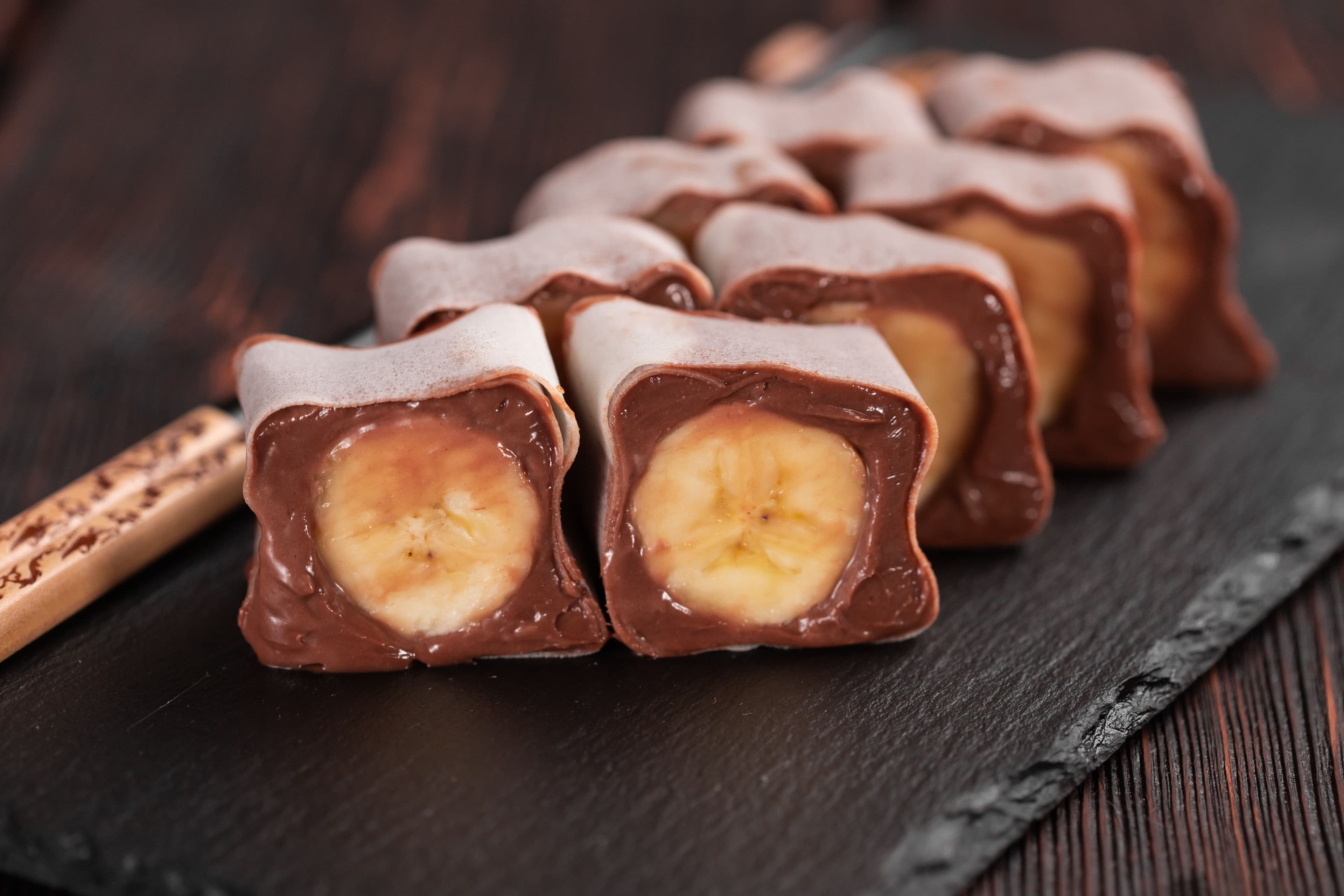
Frozen Banana Bites with Dark Chocolate & Sea Salt – The perfect sweet-salty treat
Peanut Butter Oat Clusters with Cinnamon & Chia – A pantry-friendly protein snack
These titles make it clear: healthy snacks can be indulgent, exciting, and memorable.
Want to streamline your process? Try these helpful tools for better healthy snack recipe writing:
Word banks of sensory adjectives
Recipe card templates (try Canva or Chefadora)
Free recipe writing tools like Tasty's Creator Kit or WP Recipe Maker for blogs
A downloadable template can help you stay consistent and reduce formatting errors—especially helpful for bloggers and content creators managing multiple recipes.
Ready to write better healthy snack recipes? Head to Chefadora and publish your first recipe now!
Healthy snack recipe writing doesn’t have to be dry or clinical. When you lead with flavor, texture, and joy, your recipes become irresistible—not just “good for you.”
So forget the diet food stereotypes and start writing recipes that make people say, “I need to try that!”
Updated on 16 Sept 2025
Save recipes from anywhere, and get answers, swaps, and help as you cook.

