We use cookies on this website to ensure its proper functioning and to improve the quality of our services. Cookie Policy
Viral food trends usually peak and disappear within one to three weeks. But the attention they bring doesn't have to go with them. If you capture a trending recipe, connect it to other recipes you already have, and build a themed collection around it - that moment of attention becomes something people can keep finding long after the trend has moved on. This post shows you exactly how to do that.
When a food trend blows up a dish, an ingredient, a cooking style - most creators post about it once and move on. The views come in. Then they drop. Then the next trend starts and the cycle repeats.
Turning a viral trend into a reusable recipe collection means doing something different. Instead of one post, you build a permanent home for that trend: a curated group of related recipes that people can find and explore long after the trend itself has faded.
Think of it this way:
The trend gets people in the door. The collection is what keeps them around.
Most viral food trends last one to three weeks on social platforms before attention moves on.
The pattern usually looks like this:
Some trends last a little longer - especially ones tied to health, a cultural moment, or a really shareable format. But most don't.
A good example : Pinterest's 2026 "Cabbage Crush" trend, which saw a sharp spike in saves for cabbage-forward recipes driven by gut-health interest. The spike was real. But it was also short. Creators who built out a whole fermented-food collection around that moment still have something for people to find. Those who posted one cabbage video and moved on? Not much to show for it.
TikTok food challenges are another example. They consistently drive the highest search interest among food-related content on the platform - but they're built to be short-lived. Comfort food mashups (think soup-ified classics, one-pan reinventions) burn especially fast because the novelty is the whole point. Once everyone's seen the format, the next one takes its place.
The window to build something lasting from a trend is narrow. That's why acting quickly matters - not just to post, but to capture and organize.
Most creators lose momentum for one simple reason : there was no structure underneath the trend post.
Here are the three most common ways it happens:
One trending post, no follow-up, no connection to other recipes. When the trend cools, the traffic goes with it.
AI-powered search now favors depth - organized, connected content that shows you know a topic well. A single spike post doesn't build that. A collection does. And as search habits keep shifting, creators who build evergreen depth are the ones who win over time.
What's trending on TikTok in one country isn't necessarily trending on Pinterest in another. A creator who relies on a single platform's trending feed is always reacting, never building. When that feed changes - and it always does - there's nothing underneath to catch them.
Building a reusable collection fixes all three of these. It gives you structure, depth, and an asset that works across platforms.
One trending recipe, handled well, can become five to eight pieces of content. The key is to treat it as a starting point, not a finished product. Here's how:
This sounds obvious, but it's where most creators stumble.
A video saved to your camera roll is not an organized asset. An ingredient list you vaguely remember is not a recipe. If you want to build on a trend, you need a permanent, searchable version of it in your own library - tagged, labeled, and easy to find when the original post has long since scrolled away.
Using a tool that lets you import recipes directly seamlessly grabbing the key details in one step - makes this fast enough to actually do while the trend is still alive.
Once the recipe is saved, ask: what does it belong next to?
Every trending dish has related territory:
Mapping those connections is how a single trend becomes a collection. The gaps between what you already have and what the collection needs? That's your next several posts.
You can learn more about how to organize your recipes as a content creator to make this process easier and more repeatable.
A themed recipe roundup is one of the most durable content formats in food creation. It:
The roundup becomes the permanent home for your collection. When someone finds your viral recipe and wants more likes, the roundup is the next natural click. And when the next trend in that territory pops up, your collection is already positioned to absorb it.
Check out Chefadora's guide to building custom recipe collections for a step-by-step breakdown of how to structure these well.
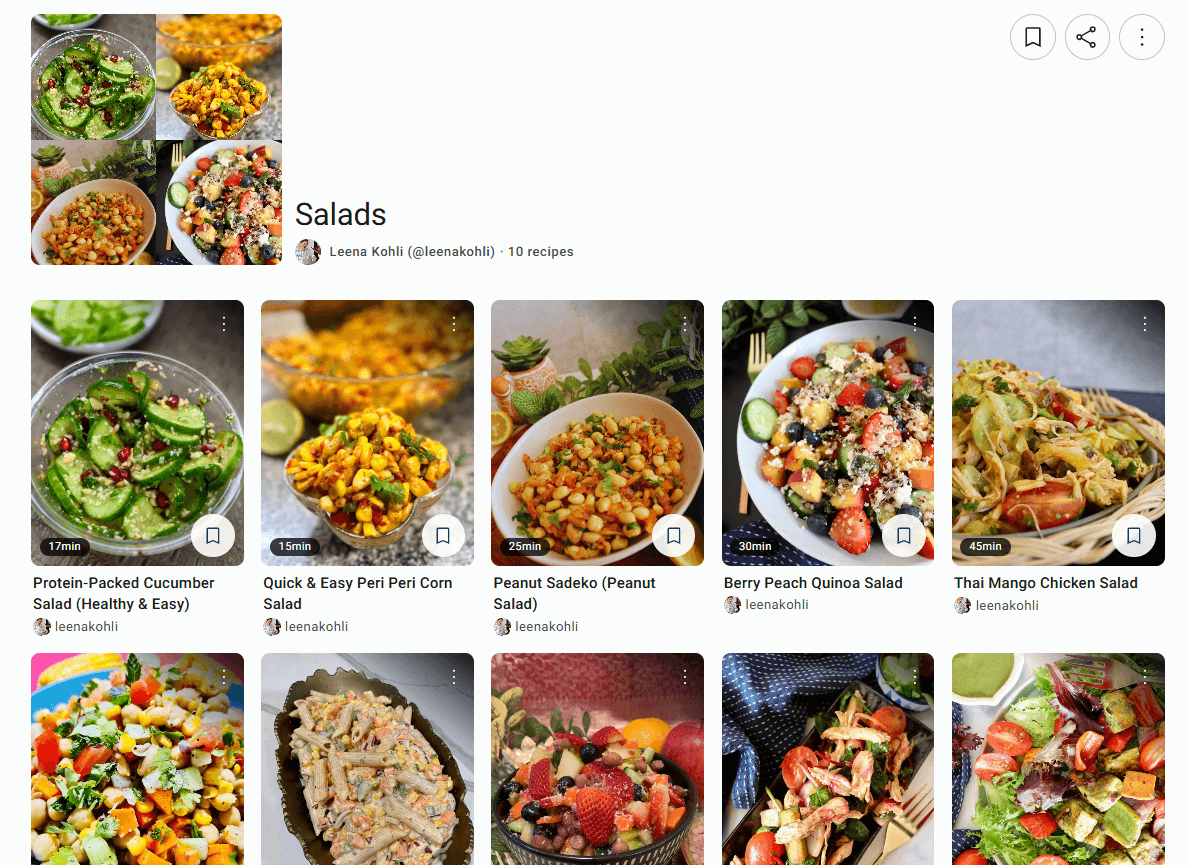
A well-organized collection is also a planning tool.
If you've built a fermented-foods collection, you now have a ready-made content theme for:
Creators who plan by theme and not just by what's trending this week find it much easier to stay consistent without burning out. Here's a helpful read on planning occasion-based content without the chaos.
Trend visibility is not the same everywhere.
A creator who bases their whole strategy on one platform's trending page is working with incomplete information about their actual audience.
Your own recipe collection fixes this. It isn't tied to any platform's algorithm. It's yours - organized how you want, for the audience you're actually building, regardless of where they find you.
The creators who are least shaken by algorithm changes and most able to serve a global audience treat their collection as their primary content asset. Not just an archive. The actual foundation of their brand.
And growing that kind of brand doesn't require going viral. It just requires building something real, one organized collection at a time.
Chefadora is built for food creators and authors who are ready to stop chasing trends and start building something that lasts.
Here's what that looks like in practice:
If you're a food creator who's been through one too many trend cycles with little to show for it afterward, this is the place to start building differently.
Create your first collection on Chefadora and turn the next trend into the beginning of something permanent.
Start building your recipe collection on Chefadora →
A1. Most viral food trends peak and fade within one to three weeks. Some trends tied to health, culture, or highly shareable formats last a little longer - but the general pattern is a sharp spike followed by a quick drop. The window to extract lasting value is narrow, which is why capturing and organizing trend content quickly matters so much.
A2. Import the recipe into a dedicated collection as soon as you spot the trend. Use a tool that pulls the ingredients and key details from a social link in one step. Saving a video to your camera roll isn't the same as having an organized, searchable recipe ready to build on. Here's how Chefadora's recipe import works.
A3. First, capture it in a permanent format. Then:
The goal is to turn one moment of high attention into a collection that keeps bringing in new visitors long after the trend has passed.
A4. Start by organizing every recipe by theme, ingredient, format, and occasion - not just by post date. Build themed collections that group related recipes together. Treat each new trend as a chance to either add to an existing collection or start a new one. Over time, a scattered post history becomes an organized content library. This guide to custom recipe collections is a good place to start.
Posted on 04 Aug 2026
Save recipes from anywhere, and get answers, swaps, and help as you cook.


