How food creators can plan occasion-based content for valentine’s day, festivals, and seasonal moments
A creator-first guide for food creators planning occasion-based content. Learn how to approach Valentine’s Day, festivals, and seasonal moments without burnout.
by Aashita Jain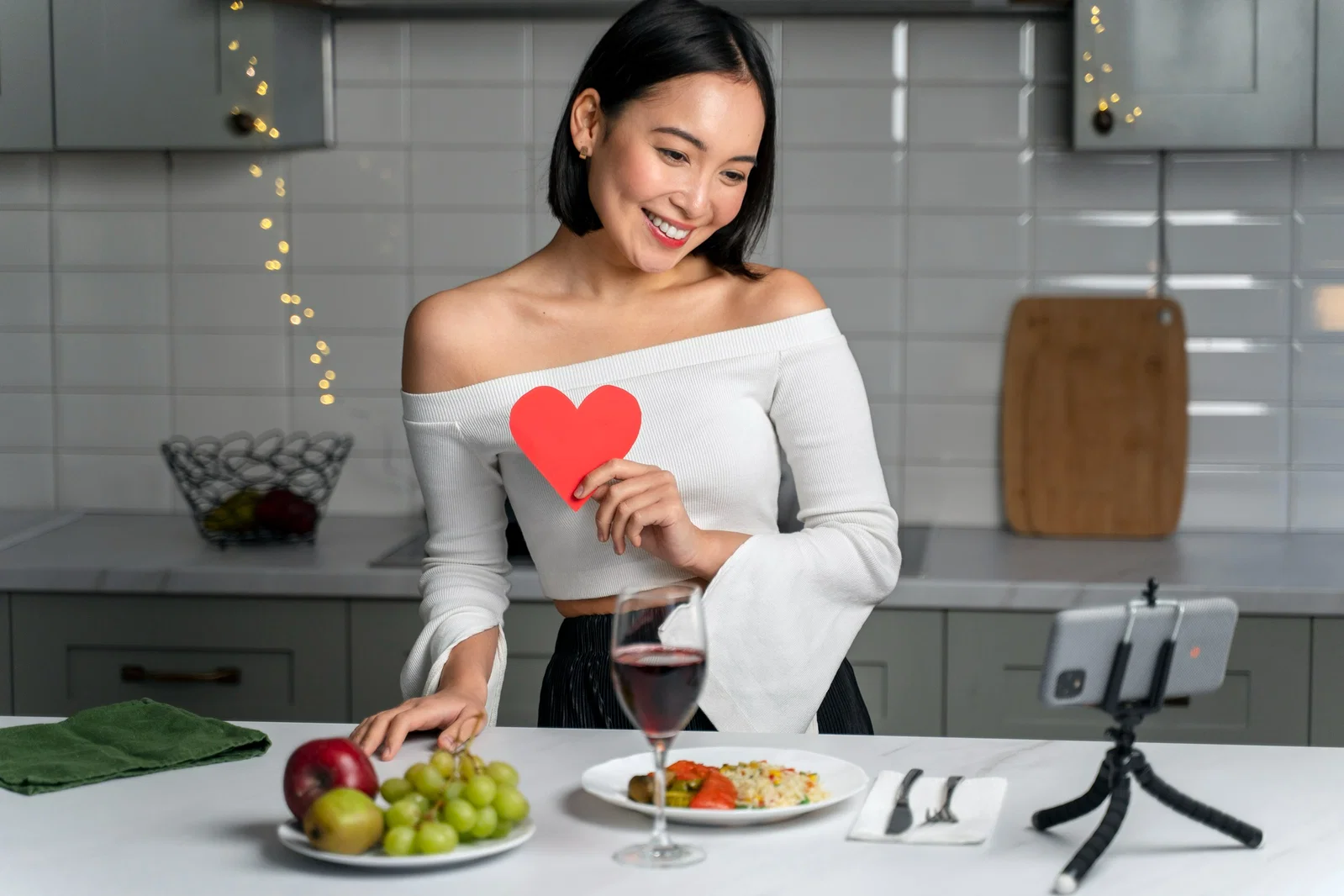
If you are a food creator, chances are you already feel this.
Table of Contents
- What is occasion-based food content and why does it work?
- Why occasion-based content can feel overwhelming for food creators
- How people actually discover food content around occasions
- Planning Valentine’s Day food content without pressure
- Festival food content is about memory
- Seasonal food content helps you stay visible all year
- How to build a simple food content calendar around occasions
- Why occasion-based content reduces burnout when done right
- Making occasion-based content feel human
- Choosing the right mix of platforms matter
- Frequently Asked Questions (FAQs)
You love cooking.
You love sharing food.
But planning content around big moments like Valentine’s Day, festivals, or seasonal shifts can quietly turn into stress.
You see other creators posting “perfect” Valentine’s desserts.
You feel late before you even start.
You wonder if it is worth the effort.
You worry the algorithm will not care anyway.
This blog is here to change that feeling.
Not with rules.
Not with pressure.
Not with “you should be doing more”.
This is a calm, resource-style guide on occasion-based content for food creators. It is meant to help you feel seen, supported, and steady while planning food content for holidays, festivals, and emotional moments.
Whether you are planning Valentine’s Day food content, festive recipes, or seasonal cooking ideas, this guide will help you do it in a way that feels human and sustainable.
What is occasion-based food content and why does it work?
Occasion-based food content is food content created around moments people care about.
These moments can be:
- Valentine’s Day
- Christmas
- Thanksgiving
- Diwali
- Ramadan
- Eid
- Summer holidays
- Winter comfort season
- Back-to-school season
- Long weekends
- Regional festivals
People do not search for food the same way during these moments.
They search with emotion.
They often search for:
- “easy Valentine’s Day food ideas”
- “romantic dinner at home for valentine’s”
- “festival sweets for diwali”
- “holiday food ideas easy”
That is why occasion-based food content works so well.
Why does this work?
- Google Trends shows that searches for “Valentine’s Day recipes” start rising 4 to 6 weeks before February 14
- Pinterest reports that seasonal food content sees up to 3x more saves compared to regular recipes during peak seasons
- Instagram food posts tagged around festivals often see 20 to 40 percent higher engagement during that period
This is not because the content is better or different.
It is because it matches how people are feeling at that moment.
If you ever feel unsure what to post, ask yourself: “What are people celebrating, missing, or preparing for right now?” That question alone can guide your food content planning.
Why occasion-based content can feel overwhelming for food creators
Let us say this clearly.
If planning food content around holidays feels heavy, it is very normal.
It is because:
- Occasions come with emotional expectations
- Social media shows only polished results
- Algorithms reward timing, not effort
- Food creators often juggle cooking, filming, editing, writing, and posting alone
That pressure adds up.
This is why many food creators either:
- Avoid festive food content altogether
- or
- Burn out trying to keep up
The goal of long-term food content strategy is not to do everything.
It is to plan enough so that content supports you, not drains you.
Occasion-based food content does not need to be big or perfect. It just needs to feel relevant and real.
How people actually discover food content around occasions
Understanding food content discovery can change how you plan.
Most people find food content in three main ways:
- Search
- Social scrolling
- Saving for later
During holidays and festivals, search behavior spikes*.*
People actively look for:
- Valentine’s Day food ideas
- Festive food content
- Seasonal cooking ideas
- Food content for celebrations
This is why searchable food content performs well long after it is posted.
A Valentine’s dessert recipe posted today can still bring traffic next year.
That is what makes occasion-based cooking content powerful and evergreen.
Planning Valentine’s Day food content without pressure
Valentine’s Day is emotional.
It is not just about couples.
It is about:
- Love
- Comfort
- Nostalgia
- Small celebrations
- Self-care meals
- Food for two or food for one
That is why Valentine’s Day food content works so well.
What kind of Valentine’s food content people actually want?
- Easy desserts for two
- Small-batch recipes
- No-oven or no-fuss dishes
- Comfort desserts
- Romantic but simple food
If you want inspiration, these Chefadora resources are great examples:
- Non-Chocolate Valentine's Day Desserts for Two
- 21 Romantic Chocolate Valentine’s Day Recipes for Two
Example of an occasion-based workflow for Valentine’s Day
Event : Valentine’s Day
Theme : Romantic, easy desserts
Content plan :
- A 30-second Reel: “3-Ingredient Chocolate Lava Cake”
- A blog post: “Top Romantic Dinner Recipes for Valentine’s Day”
- A simple poll: “What is your go-to Valentine’s dessert?”
Batch everything 2 to 3 weeks earlier*.*
That way, you are not rushing when everyone else is.
Festival food content is about memory
Festival food content works because food is tied to memory.
During festivals, people are not looking for trends.
They are looking for:
- Familiar flavors
- Comfort dishes
- Food that feels like home
- Easy versions of traditional recipes
This is why food content for festivals performs well year after year.
If you look at content like:
- Best Christmas Recipes for sweet holiday season
- Thanksgiving Recipes 2025: Easy Dinner Ideas, Pies, Sides, and Desserts
You will notice something important.
The recipes are:
- Clear
- Approachable
- Practical
- Designed for real kitchens
That is what people want during festive seasons.
Festival food content does not need to be fancy. Familiar beats fancy every time.
Seasonal food content helps you stay visible all year
Not every occasion is a holiday.
Seasonal moments matter too.
Seasonal food content includes:
- Summer cooling drinks
- Monsoon comfort snacks
- Winter soups
- Spring fresh meals
- Back-to-school lunches
This type of seasonal cooking ideas content keeps your profile relevant even when there is no big festival.
It also helps reduce burnout because it flows naturally with the year.
How to build a simple food content calendar around occasions
A food content calendar does not need to be complicated.
Here is a gentle way to approach content planning for food creators.
Think in three layers:
- Big occasions
- Seasonal moments
- Evergreen food content
Big occasions
- Valentine’s Day
- Major festivals
- Holidays
Plan these first.
Seasonal moments
- Weather changes
- School schedules
- Work-from-home seasons
Fill these next.
Evergreen food content
- Basics
- Comfort food
- Beginner recipes
- Daily meals
These support you year-round.
If you are new, reading Home cook to food content creator | A beginner’s guide can help you see how content grows step by step.
Why occasion-based content reduces burnout when done right
This might sound surprising, but planning food content around occasions can actually reduce burnout.
Why:
- You are not guessing what to post
- You are not chasing trends daily
- You are creating content with long-term value
- You can reuse content every year
This is how sustainable food creator growth happens.
Not through constant posting.
But through thoughtful planning.
Making occasion-based content feel human
People connect with food content that feels real.
You do not need:
- Perfect lighting
- Studio kitchens
- Overstyled plates
What matters is:
- Clear recipes
- Honest captions
- Relatable stories
- Food content for emotional moments
Occasion-based food content works best when it feels like a friend helping, not a brand selling.
Choosing the right mix of platforms matter
Not all food content needs to live in the same place, and that is completely okay.
Social media is great for quick discovery - Reels, stories, and posts help people find you during moments like Valentine’s Day or festivals, when they are already in the mood to scroll and get inspired.
The problem is that social content moves fast. Even good occasion-based food content can disappear in a few days, which can feel frustrating after putting in real effort.
If you want your food content to last beyond one post and grow without burnout, Chefadora.com gives it a calm, no-stress home.
Using both together works best.
Social media helps people find you in the moment, while Chefadora helps your food content live longer and grow without constant pressure.
Chefadora is:
- A creator-focused food platform
- A food discovery platform
- A space for searchable food content
- A home for long-term food content strategy
On Chefadora:
- Your Valentine’s recipes stay discoverable
- Festival food content keeps working year after year
- Seasonal food content does not disappear after 24 hours
- You do not have to chase algorithms daily
Chefadora supports food content without burnout.
It lets you:
- Focus on cooking
- Share at your pace
- Build a resource-style food library
- Grow without constant pressure
That is why many global food creators are choosing platforms like Chefadora.com for sustainable growth.
Frequently Asked Questions (FAQs)
Q1. What is occasion-based food content?
A1. It is food content created around moments like Valentine’s Day, festivals, holidays, or seasonal changes, when people actively look for food ideas.
Q2. Why does occasion-based food content perform well?
A2. Because people search more during celebrations and seasons. Content that matches the moment feels relevant and gets discovered more easily.
Q3. How early should food creators plan festive content?
A3. Ideally 3 to 6 weeks in advance. Even planning one or two pieces early can reduce stress.
Q4. Do food creators need new festive recipes every year?
A4. No. Older recipes can be refreshed, updated, or reshared and still perform well.
Q5. What if planning festive content feels overwhelming?
A5. Start small. One helpful recipe is enough. Occasion-based content should feel supportive, not exhausting.
Q6. Is occasion-based content only for social media?
A6. No. It works even better as searchable blogs and recipe pages that get traffic every year.
Q7. How does Chefadora support occasion-based food content?
A7. Chefadora keeps festive and seasonal recipes discoverable long-term without daily posting pressure.
Q8. Can beginners create occasion-based food content?
A8. Yes. These topics are easier because people are already searching for them.
Food creation is emotional work. It carries culture, care, memory, and love. Occasion-based food content should reflect that. You do not need to be louder. You do not need to be faster. You do not need to be everywhere. You just need a system that respects you. Whether you are planning Valentine’s Day food ideas, festive food content, or seasonal cooking ideas, remember this: You are not failing if you choose ease. And if you want a place where your food content can live without pressure, Chefadora exists for that exact reason.
Posted on 04 Feb 2026

About the author
Aashita JainContent strategist
Aashita Jain is a content strategist at Chefadora who writes about food content creation, recipe monetisation and tools for food creators.
More from Aashita Jain
Your recipes can talk now 👀
Save recipes from anywhere, and get answers, swaps, and help as you cook.
