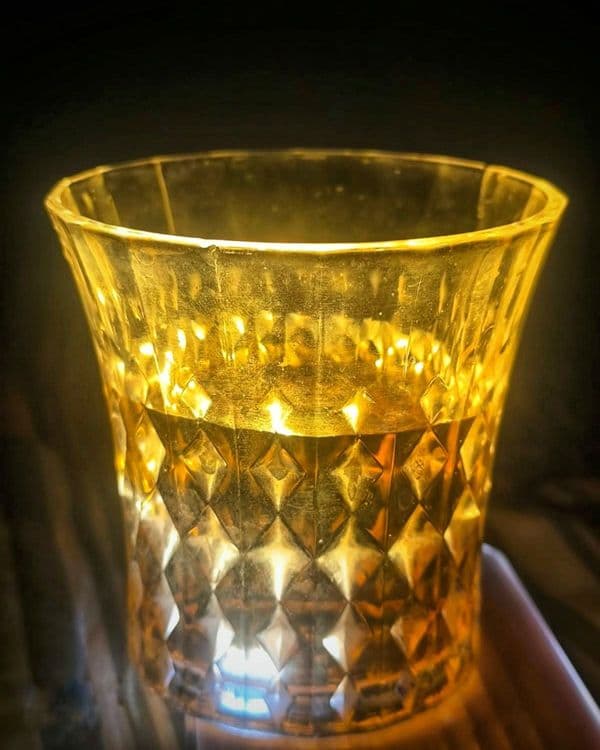
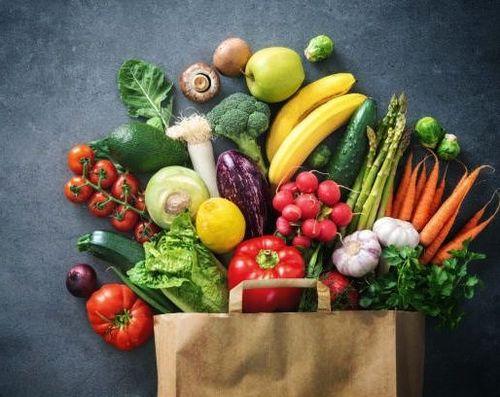
Tomato wine might sound unconventional, but it's quite a strong homemade wine that can surprise your palate. It offers a unique flavor profile that works well in cooking or even sipping if aged properly. The acidity and umami-rich nature of tomatoes make them an intriguing base for fermentation. It has a slightly fruity taste and does not really taste like tomatoes. The golden color is truly delightful. Wait for 2-3 months after bottling for the...
Chefadora AI has the answer - timers, swaps, step-by-step help.


Wash and pat dry the tomatoes. Finely chop or mash the tomatoes with a potato masher. Set aside.
Boil water and 500g sugar, then cool it until lukewarm.
Add the palm sugar to the lukewarm water and mix it until completely dissolved.
Add the chopped tomatoes to the warm sugar water.
Mix well and add yeast, lemon juice, and lemon zest. Be careful not to include any white pith of the lemon with the zest.
Mix all the ingredients well and transfer them to an earthen jar (Bharani) or a glass jar. Cover it and leave for 21 days, stirring daily.
On the 22nd day, strain the mixture through a cheese or muslin cloth.
If the wine is not sweet enough for your liking, add more sugar to your taste at this stage, mix well, and keep it again in a clean, dry Bharani or glass bottle for another 21 days.
Strain the mixture again on the 22nd day, bottle it, and store.
For the best flavor, allow the wine to age for two to three months after bottling.
Ensure the jar used for fermentation is clean and dry to prevent contamination.
Stir the mixture daily during the initial 21 days to ensure even fermentation.
Avoid including the white pith of the lemon or orange as it can make the wine bitter.
For a sweeter wine, adjust the sugar quantity to your taste before the second fermentation.
Patience is key—aging the wine for a few months will significantly enhance its flavor.
Can I use orange zest and juice instead of lemon?
Yes, you can substitute lemon zest and juice with orange zest and juice for a slightly different flavor profile.
How long should I wait before consuming the wine?
It is recommended to wait for at least 2-3 months after bottling for the most flavorful wine.
What type of jar should I use for fermentation?
You can use an earthen jar (Bharani) or a glass jar for fermentation. Ensure it is clean and dry.
What should I do if the wine is not sweet enough after the first fermentation?
You can add the more sugar as per your taste, mix well, and allow it to ferment for another 21 days.
Why is it important to avoid the white pith of the lemon or orange?
The white pith can make the wine bitter, so it is best to exclude it when zesting the lemon or orange.
Cooking is my passion. Flavours unite us 🤝..I love to create new recipes... and also love to learn about different cuisine.