We use cookies on this website to ensure its proper functioning and to improve the quality of our services. Cookie Policy

Tags and nutritional info are auto-generated and may be inaccurate. Always check the full ingredient list before cooking.


Boil the water in a pot.
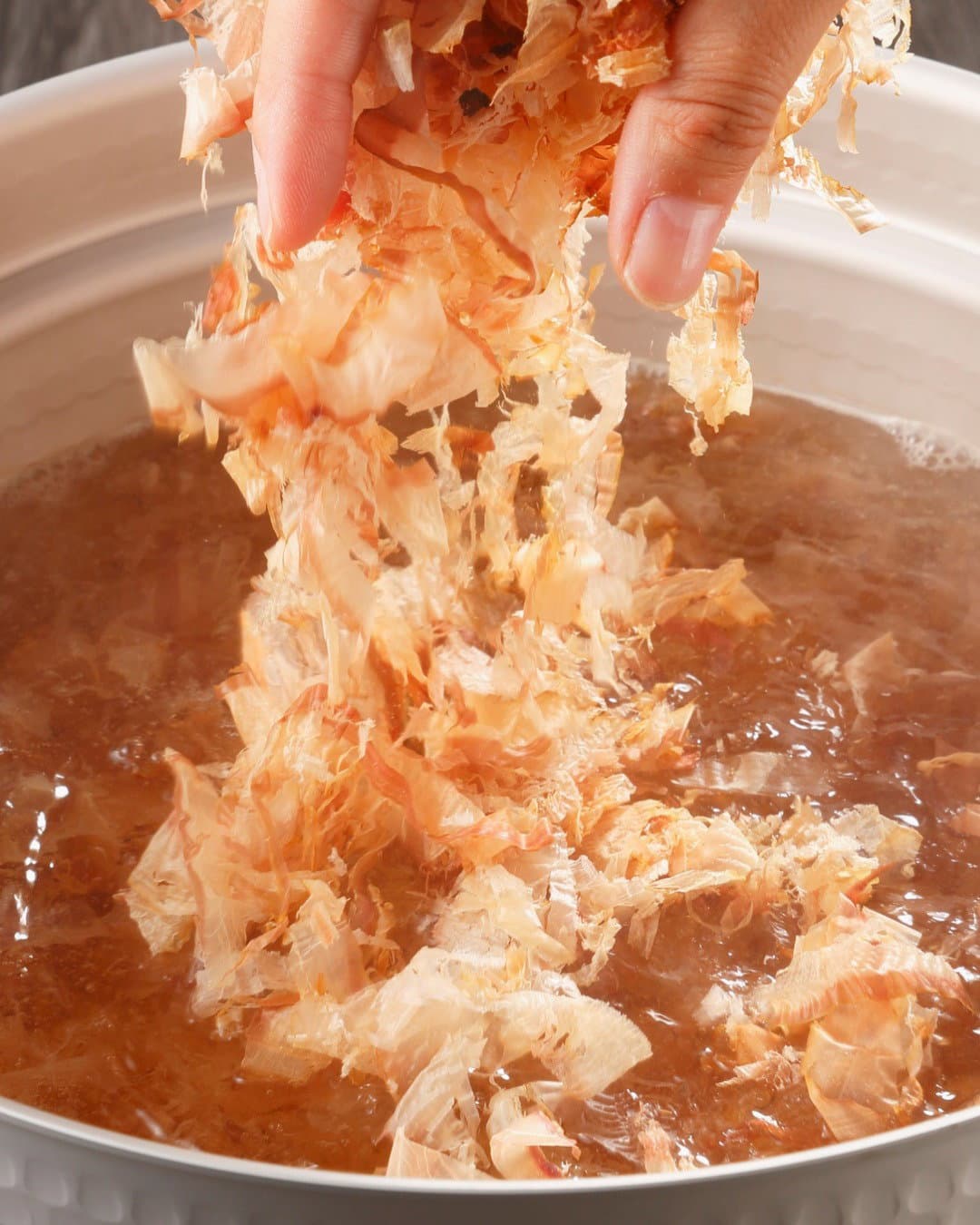
Turn off the heat and add the katsuobushi (bonito flakes).

Wait about 1 minute until the flakes settle at the bottom.
Strain gently without squeezing the flakes to preserve the clear, pure taste.

Want to keep this recipe for later? We can email it to you!
Don't let the water boil after adding the katsuobushi to avoid bitterness or 'off' flavors.
When straining, never squeeze the flakes. Let the liquid drip naturally for a clear, pure taste.
Why shouldn't I let the water boil after adding katsuobushi?
Boiling can cause bitterness and alter the delicate flavor of the dashi.
Why is it important not to squeeze the flakes when straining?
Squeezing the flakes can cloud the dashi and introduce unwanted flavors.
How long should I wait for the flakes to settle?
Wait about 1 minute for the flakes to settle at the bottom before straining.
Can I reuse the katsuobushi flakes?
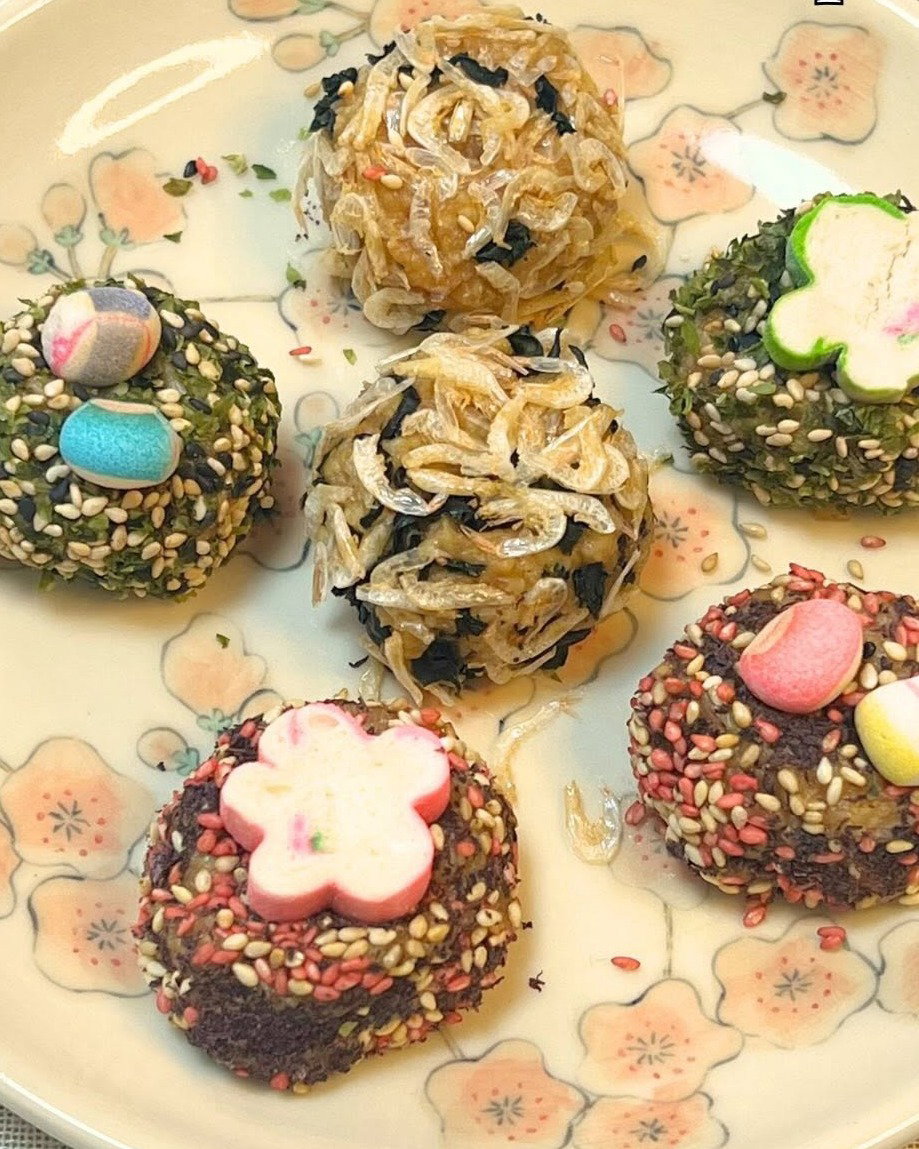
Used katsuobushi flakes can be repurposed in other recipes, such as furikake or simmered dishes.
What is the best way to store homemade dashi?
Store dashi in an airtight container in the refrigerator for up to 3 days.
Hi, I'm Yukumi, a home cook from Japan sharing easy, everyday recipes rooted in Japanese fermentation culture. Koji, miso, amazake, and other fermented staples are at the heart of Japanese cooking — full of deep umami, natural nutrients, and centuries of tradition. My recipes make these ingredients simple and approachable, whether you're new to fermentation or looking to bring more Japanese flavors into your kitchen. Here you'll find recipes for gut-friendly miso soups, koji marinades, fermented seasonings, and more — all designed for a natural, balanced way of eating.
...