We use cookies on this website to ensure its proper functioning and to improve the quality of our services. Cookie Policy
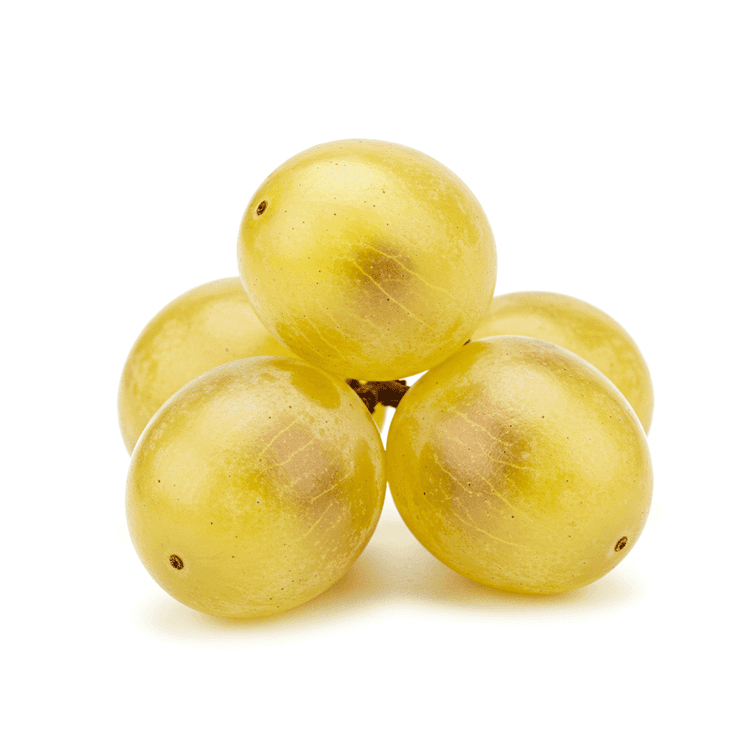
White grapes are a delightful and refreshing fruit characterized by their smooth, thin skin and juicy, translucent flesh. Their flavor profile ranges from subtly sweet to tart, depending on the variety and ripeness, making them a versatile ingredient. These grapes are typically pale green to yellowish-green in color, and they offer a crisp, slightly firm texture when bitten into. White grapes are a popular choice for snacking, winemaking, and adding a touch of sweetness and moisture to both sweet and savory dishes. Look for plump, firm bunches of white grapes that are free from blemishes for the best flavor and quality.
What do white grapes actually taste like? Think honeyed and floral with a clean, watery snap — the sweetness is mellow rather than sugary, and there's usually a whisper of tartness near the skin that keeps them from feeling one-note. Seedless table varieties like Thompson and Cotton Candy lean candy-sweet, while wine and older heirloom types carry more of that grassy, slightly green edge. Chilling them intensifies the crispness, which is why a bowl of cold grapes tastes so much livelier than one left on the counter.
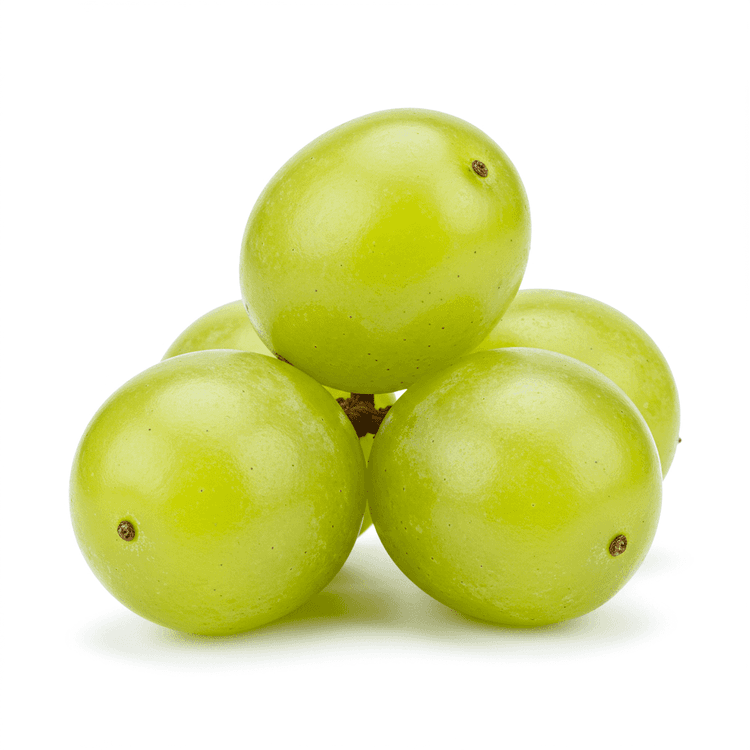
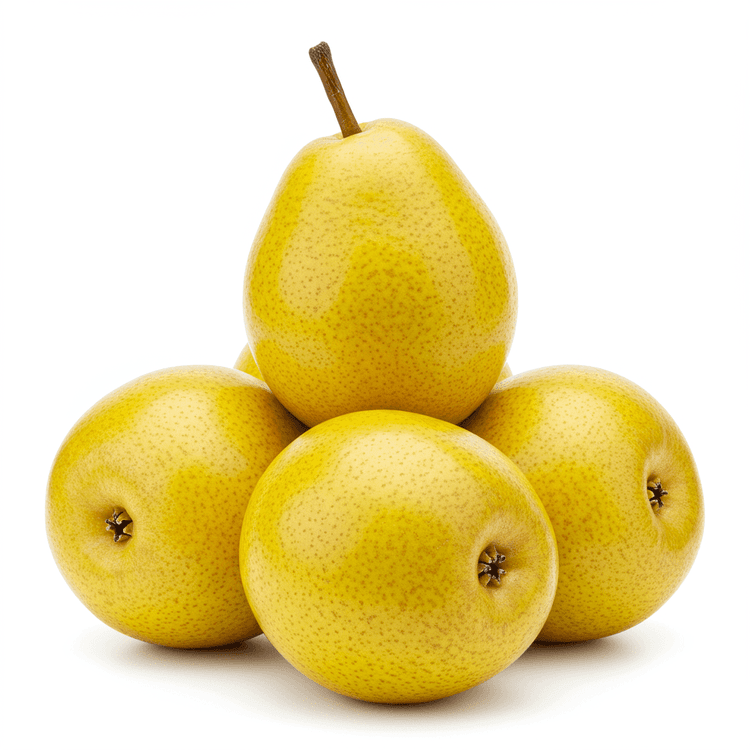
Cooking with white grapes is easier than most people expect, because heat concentrates their sugars and softens their skins into something almost jammy. Roast them alongside chicken or pork and they slump into little pockets of sweet-tart juice; halve them raw and they brighten grain bowls, tuna salad, and cheese boards. If you can't find them, a handful of green grape works as a near-identical swap, while a ripe pear covers the same honeyed sweetness when you need larger pieces.

Save recipes from anywhere, and get answers, swaps, and help as you cook.


Available now for early access users.