We use cookies on this website to ensure its proper functioning and to improve the quality of our services. Cookie Policy
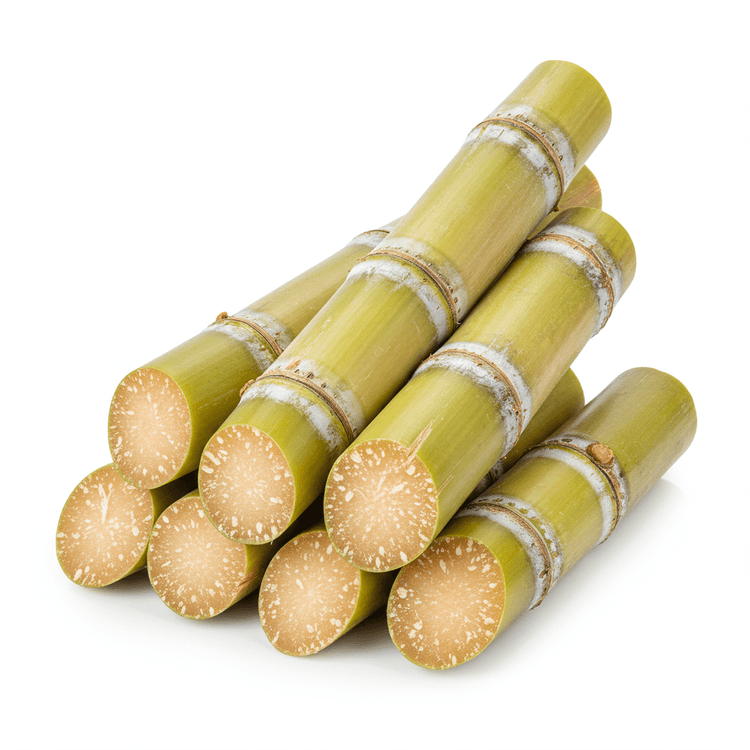
Sugar cane, a tall, perennial grass, is the primary source of most of the world's sugar. Its thick, fibrous stalks, typically ranging in color from green to yellowish-brown, contain a sweet, sucrose-rich juice. Raw sugar cane has a subtly sweet, grassy flavor that is much more complex than refined white sugar. The texture of the cane itself is quite tough and fibrous, requiring specialized equipment to extract its juice. Often used for producing granulated sugar, molasses, and rum, sugar cane provides a natural sweetness to countless culinary applications.
Save recipes from anywhere, and get answers, swaps, and help as you cook.
Store sugar cane in a cool, dry place away from direct sunlight to prevent spoilage. Whole sugar cane stalks can be kept at room temperature for a few days. If cut, wrap the cut ends tightly in plastic wrap and refrigerate to maintain moisture and prevent drying. For longer storage, consider juicing and freezing the juice for later use. Properly stored, sugar cane can maintain its flavor and sweetness.


Available now for early access users.