We use cookies on this website to ensure its proper functioning and to improve the quality of our services. Cookie Policy
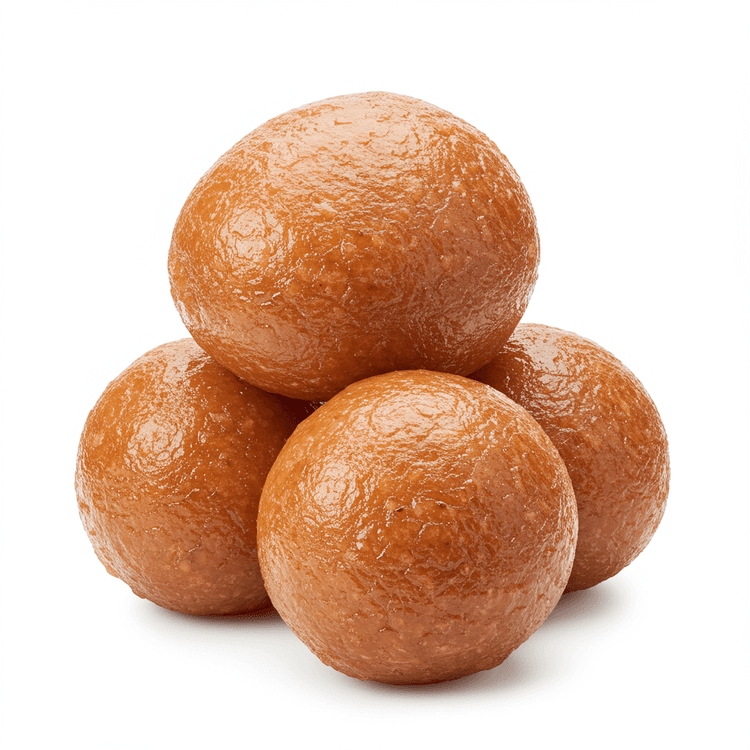
Shrimp paste, also known as belacan or kapi, is a pungent and intensely flavored fermented condiment made from ground shrimp and salt. This Southeast Asian staple boasts a powerful umami flavor, contributing a salty, savory, and somewhat fishy taste to dishes. Its color can range from pale pink to dark brown, and its texture is typically dense and paste-like, although some variations are drier and more crumbly. Shrimp paste is a versatile ingredient used to add depth and complexity to curries, sauces, dips, and stir-fries. When cooked, shrimp paste mellows out slightly, enhancing the other flavors in a dish and providing a rich, savory base note that is highly distinctive.
If you've ever opened a jar and been hit by that sharp, low-tide smell, don't let it scare you off — that aroma is exactly the point. Raw shrimp paste tastes fierce and briny, almost aggressive on its own, but heat transforms it completely. Toast a small nub in a dry pan or over an open flame for a minute or two and it turns nutty, mellow, and deeply savory, the way anchovies melt into a good pasta sauce. A little goes a long way; most recipes call for no more than a teaspoon or a small cube, so a single jar can last a home cook the better part of a year.
Regional versions differ more than you might expect. Malaysian and Indonesian belacan tends to be firm and dark, sold in dense blocks you slice or crumble, while Thai kapi is softer, grayer, and looser, spooned straight from the tub. Filipino bagoong and Vietnamese mắm tôm round out the family, each with its own texture and punch. As a fermented seafood product, it belongs to the same salty, funky tradition as fish sauce, which makes it a natural building block whenever a dish tastes flat and needs backbone rather than more salt.
Save recipes from anywhere, and get answers, swaps, and help as you cook.


Available now for early access users.