We use cookies on this website to ensure its proper functioning and to improve the quality of our services. Cookie Policy
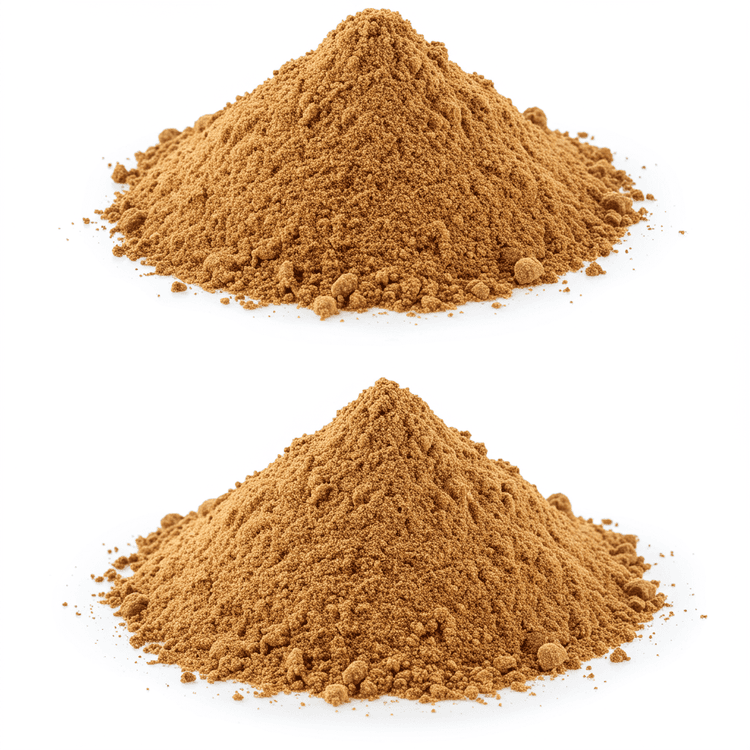
Pumpernickel flour is a coarsely ground, whole-grain rye flour known for its dark color and robust, slightly sweet, and earthy flavor. This dark rye flour retains the bran and germ, contributing to its dense texture and nutritional value. Pumpernickel flour adds a distinctive flavor and hearty texture to baked goods, especially in traditional German pumpernickel bread recipes. It is perfect for those looking to add depth of flavor and a rustic touch to their baking.
What sets pumpernickel flour apart is the whole-kernel milling. Because the entire rye berry is ground down, the flour carries a deep molasses-and-cocoa aroma even before you bake with it, and it tastes noticeably less sweet than wheat flour, with a faint sourness that plays beautifully against caraway, coffee, or a smear of good butter. It behaves differently in the bowl, too: rye is low in the kind of gluten that traps air, so doughs feel sticky and tacky rather than smooth and springy. That is normal, not a mistake, and it is exactly why pumpernickel loaves come out dense and moist instead of light and airy.
If you are new to baking with rye, think of pumpernickel flour as a flavor builder rather than the whole structure. A little goes a long way, and most home bakers get the best results blending it with bread flour or a lighter rye flour until they get comfortable with how it handles. It shares a shelf with other whole-grain flour options, and once you know how it works, it opens up a whole world of hearty, old-world baking.
Save recipes from anywhere, and get answers, swaps, and help as you cook.


Available now for early access users.