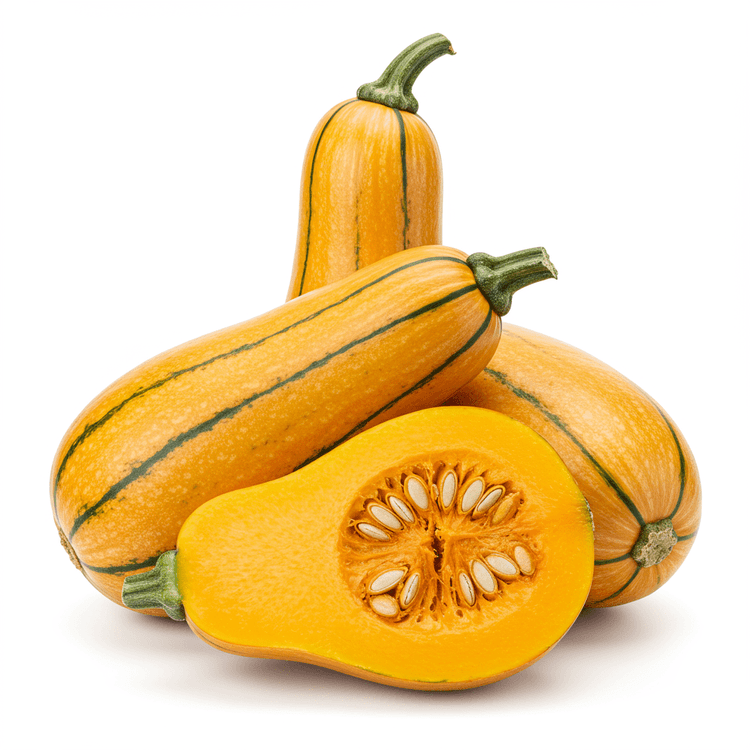
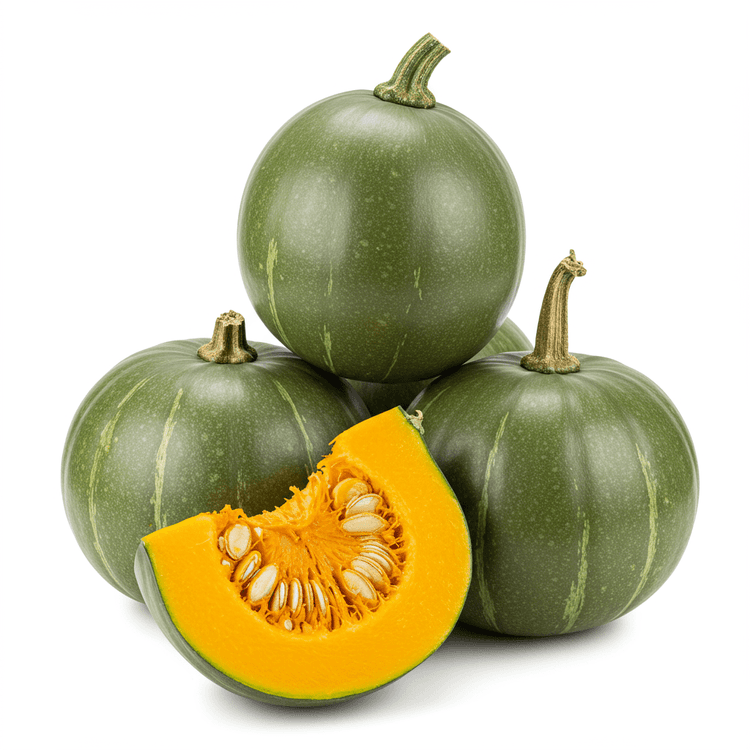
Winter squash, a vibrant and versatile group of vegetables, offer a wealth of nutritional benefits and culinary possibilities. Unlike their summer counterparts, winter squash boasts a thick, hard rind, allowing for extended storage and providing a comforting presence in colder months. This hard shell is not only protective but also indicative of a nutrient-dense interior, packed with vitamins, minerals, and antioxidants crucial for maintaining optimal health.
From the familiar butternut squash, with its sweet, nutty flavor, to the vibrant orange hues of pumpkin, and the unique textures of acorn and spaghetti squash, each variety brings something special to the table. These gourds are excellent sources of Vitamin A, essential for vision, immune function, and cell growth. They also provide a significant amount of Vitamin C, a powerful antioxidant that combats free radical damage and supports collagen production. The presence of potassium, an electrolyte vital for maintaining healthy blood pressure, and fiber, which aids digestion and promotes satiety, further solidifies winter squash's role as a nutritional powerhouse. The rich orange color of many winter squashes signals high levels of beta-carotene, a precursor to Vitamin A and a powerful antioxidant linked to reduced risk of chronic diseases.
In the kitchen, winter squash offers incredible versatility. Butternut squash soup, creamy and comforting, is a classic example of its use in purees. Acorn squash can be roasted whole, stuffed with savory or sweet fillings like wild rice, cranberries, and sausage. Spaghetti squash, when cooked, transforms into strands resembling pasta, providing a lower-carbohydrate alternative to traditional noodles. Pumpkin is, of course, synonymous with pies and desserts, but it also lends itself beautifully to savory dishes like pumpkin risotto or pumpkin curry. Roasted winter squash, seasoned with herbs and spices, is a simple yet satisfying side dish. Beyond roasting and pureeing, winter squash can be incorporated into stews, salads, and even grilled. Their naturally sweet flavor pairs well with both sweet and savory elements, making them a welcome addition to a wide range of cuisines.
Incorporating winter squash into a balanced diet is essential for overall wellness, especially during the fall and winter seasons. Their high fiber content promotes digestive health and can aid in weight management by increasing feelings of fullness. The abundance of vitamins and minerals supports immune function, helping to ward off seasonal illnesses. Furthermore, the antioxidants present in winter squash contribute to overall cellular health and may reduce the risk of chronic diseases such as heart disease and cancer. Choosing a variety of winter squashes throughout the season ensures a diverse intake of nutrients and adds exciting flavors and textures to your meals. By embracing these nutritious and delicious vegetables, you can nourish your body and enjoy the flavors of the season. ||
Winter Squash are an essential part of a healthy diet, providing a wide range of nutrients and health benefits. Explore our collection of winter squash ingredients.