Wheat products, a cornerstone of diets worldwide, offer a diverse range of nutritional and culinary benefits. From hearty whole wheat bread to delicate pastries, this category encompasses a variety of grains processed to varying degrees, impacting their nutritional profile. Understanding the different types of wheat products and their respective benefits is crucial for making informed dietary choices.
Whole wheat products, like whole wheat bread, pasta, and brown rice, are nutritional powerhouses. They retain the bran, germ, and endosperm of the wheat kernel, providing a wealth of fiber, vitamins, and minerals. Fiber promotes digestive health, helps regulate blood sugar levels, and contributes to feelings of fullness, aiding in weight management. Whole wheat is also a good source of B vitamins, including thiamin, niacin, and folate, essential for energy production and nerve function. Minerals like magnesium, iron, and zinc, crucial for bone health, oxygen transport, and immune function, are also present.
Refined wheat products, such as white bread, pasta, and pastries, undergo processing that removes the bran and germ, stripping away much of the fiber and nutrients. While they may be enriched with some vitamins and minerals, they generally lack the fiber and overall nutritional density of whole wheat options. Choosing whole wheat versions whenever possible is a simple yet effective way to boost your intake of essential nutrients.
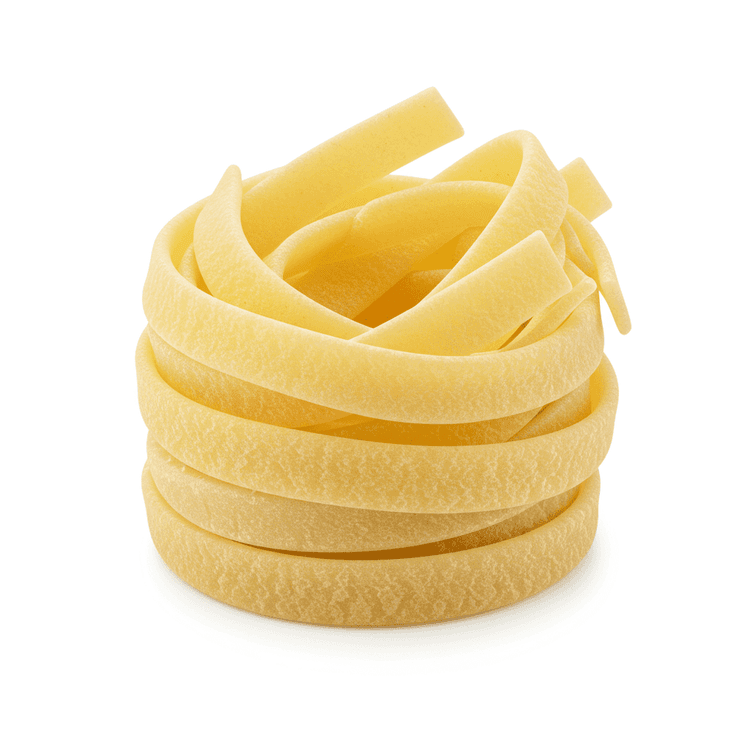
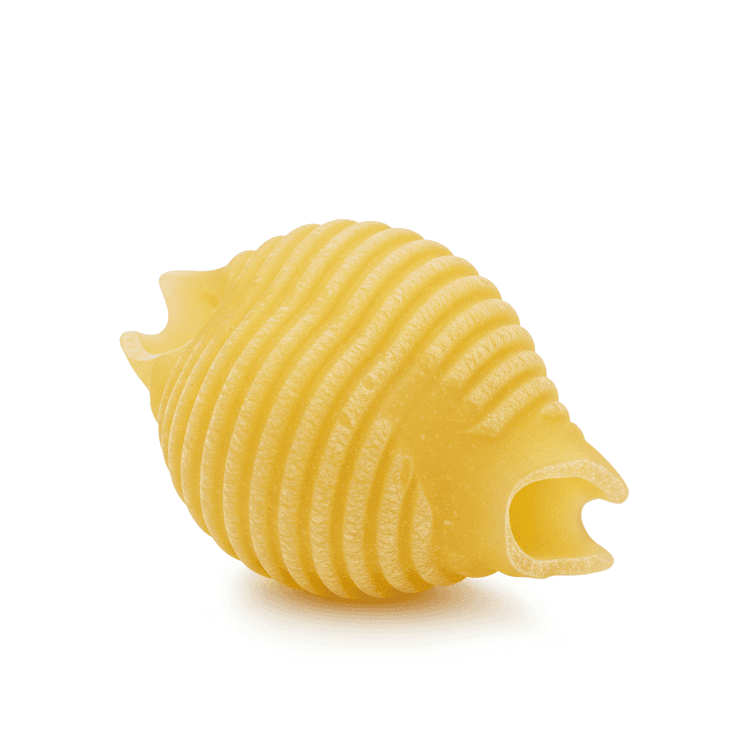
Culinary uses of wheat products are incredibly versatile. Whole wheat bread is a staple for sandwiches and toast, while whole wheat pasta serves as a base for countless sauces and vegetable combinations. Couscous, derived from semolina, is a popular side dish in Mediterranean and Middle Eastern cuisines. Refined wheat flour is essential for baking cakes, cookies, and pastries, offering a lighter texture. Pasta dishes, from lasagna to spaghetti carbonara, showcase the versatility of wheat. Bread making, a time-honored tradition, allows for endless creativity with different flours, flavors, and techniques. Pizza dough, another wheat-based delight, can be customized with a wide array of toppings.
Wheat products play a vital role in a balanced diet, particularly when prioritizing whole grain options. The fiber content in whole wheat contributes to gut health and helps prevent chronic diseases like heart disease and type 2 diabetes. The complex carbohydrates in wheat provide sustained energy, preventing energy crashes associated with simple sugars. By incorporating a variety of whole wheat products into your diet, you can ensure a steady supply of essential nutrients and support overall well-being. Remember to consider portion sizes and balance wheat consumption with other food groups, such as fruits, vegetables, lean proteins, and healthy fats, to create a truly balanced and nourishing diet. Choosing whole wheat crackers over refined flour crackers, or opting for a whole wheat tortilla for your next burrito, are simple swaps that can significantly improve the nutritional quality of your meals. The key is to be mindful of your choices and prioritize whole, unprocessed options whenever possible. ||
Wheat Product are an essential part of a healthy diet, providing a wide range of nutrients and health benefits. Explore our collection of wheat product ingredients.