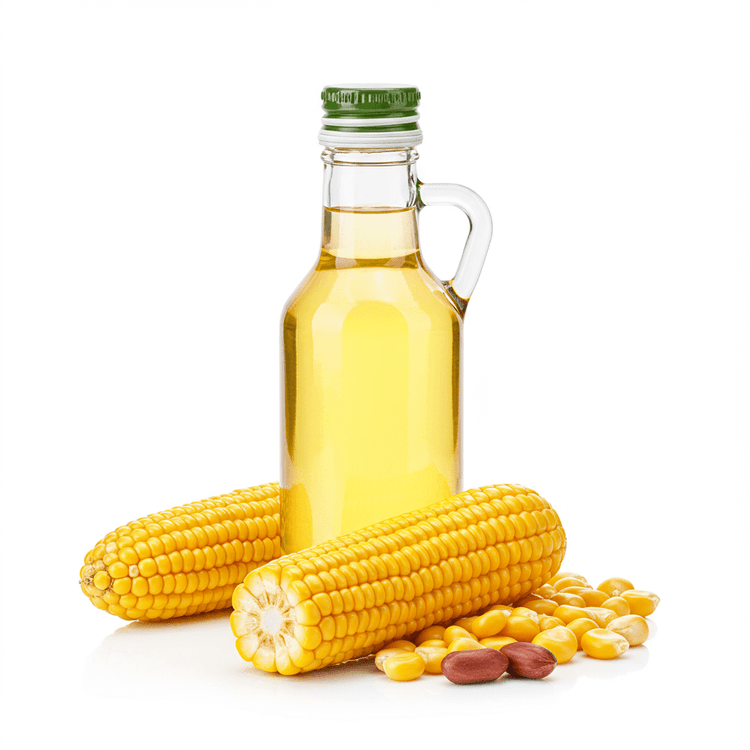
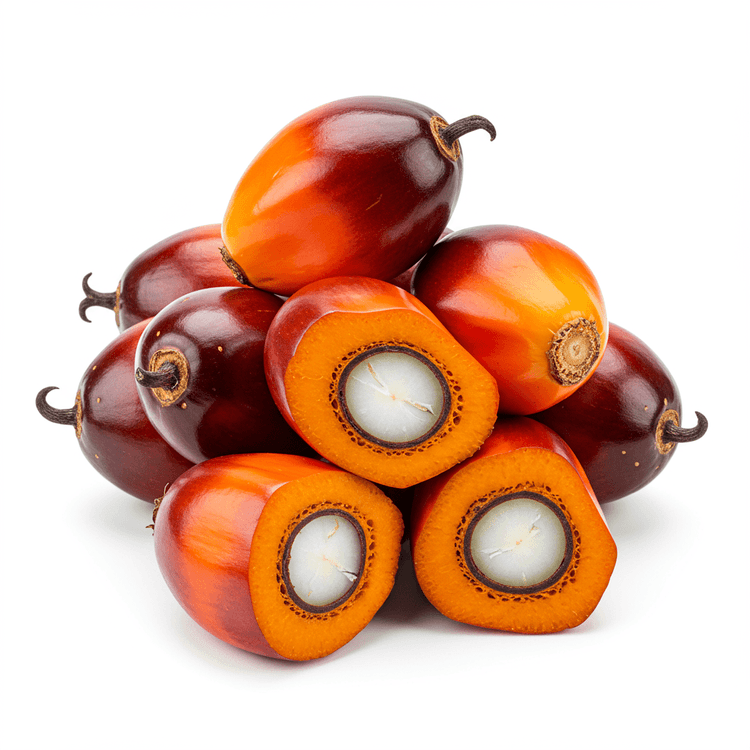
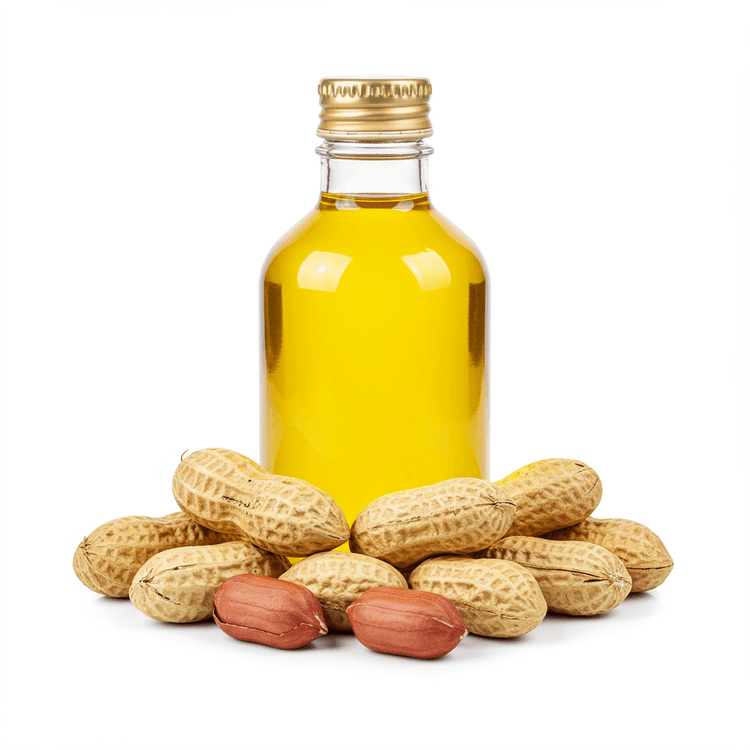
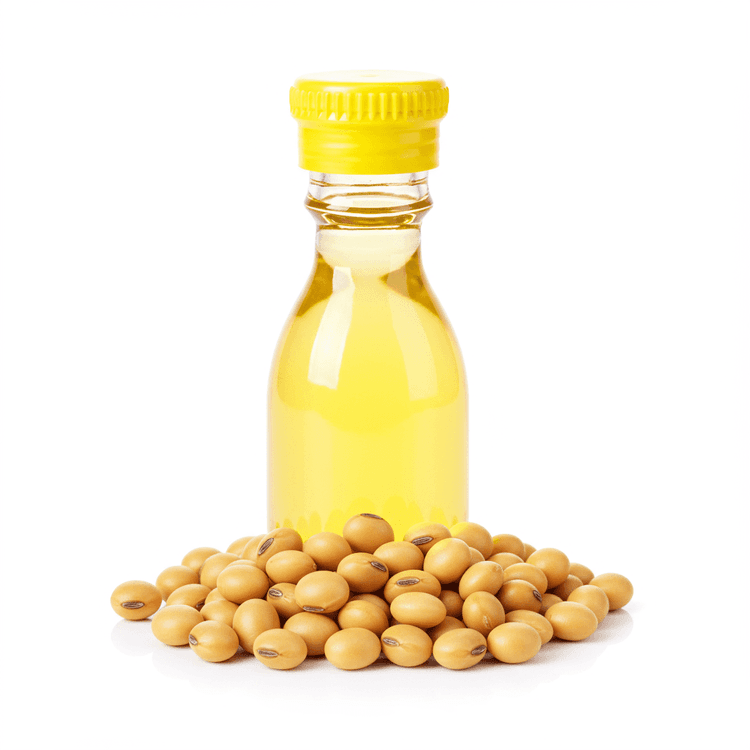
Vegetable oils are ubiquitous in modern kitchens, playing a critical role in everything from sautéing and baking to salad dressings and deep-frying. But beyond their culinary applications, understanding the nutritional profile and diverse types of vegetable oils is crucial for making informed dietary choices. Vegetable oils are extracted from various seeds, nuts, and fruits, each offering a unique blend of fatty acids, vitamins, and antioxidants. The primary component of vegetable oils is fat, categorized into saturated, monounsaturated, and polyunsaturated fats. While saturated fats have historically been viewed negatively, current research suggests that the impact depends largely on the specific fatty acid and overall dietary context. Monounsaturated fats, abundant in olive and avocado oil, are celebrated for their heart-healthy benefits, potentially lowering LDL cholesterol levels. Polyunsaturated fats, including omega-3 and omega-6 fatty acids, are essential fats our bodies cannot produce, vital for brain function, inflammation regulation, and cell membrane integrity. Different vegetable oils boast varying levels of these fatty acids, making it essential to choose oils appropriate for both cooking methods and health goals.
Beyond fatty acids, some vegetable oils contain notable amounts of vitamin E, a powerful antioxidant protecting cells from damage caused by free radicals. Vitamin E also plays a role in immune function and skin health. Certain oils, like flaxseed oil, are rich in alpha-linolenic acid (ALA), a type of omega-3 fatty acid that the body can convert into other beneficial forms, though the conversion rate can vary. However, it's important to note that while vegetable oils provide beneficial nutrients, they are also calorie-dense, requiring mindful consumption as part of a balanced diet. When selecting vegetable oils, consider the smoke point, the temperature at which the oil begins to break down and release potentially harmful compounds. High smoke point oils like avocado, sunflower, and canola are ideal for high-heat cooking methods like frying and searing. Lower smoke point oils, such as extra virgin olive oil and flaxseed oil, are best suited for salad dressings, drizzling, or low-heat sautéing.
Culinary uses of vegetable oils are incredibly diverse. Olive oil, with its distinctive flavor profiles, is a cornerstone of Mediterranean cuisine, used in everything from salads and pasta dishes to grilled vegetables and seafood. Coconut oil, with its tropical aroma, is popular in Asian and Caribbean cuisines, adding richness and subtle sweetness to curries, stir-fries, and baked goods. Canola oil, with its neutral flavor, is a versatile option for baking, frying, and general cooking. Sesame oil, prized for its nutty taste, is frequently used in Asian cuisine, adding depth to marinades, sauces, and noodle dishes. Popular dishes showcasing vegetable oils include stir-fries, roasted vegetables, homemade salad dressings, and baked goods like cakes and muffins.
Vegetable oils are indispensable for a balanced diet and overall wellness, contributing essential fatty acids, vitamins, and antioxidants. They provide a concentrated source of energy and support vital bodily functions. Choosing a variety of vegetable oils allows you to reap the benefits of different fatty acid profiles and nutrient compositions. Incorporating these oils into your diet, while considering their specific properties and culinary applications, is key to maximizing their nutritional value and promoting long-term health. By understanding the nuances of vegetable oils, you can make informed decisions that enhance both the flavor and healthfulness of your meals. ||
Vegetable Oil are an essential part of a healthy diet, providing a wide range of nutrients and health benefits. Explore our collection of vegetable oil ingredients.